Combating Social Isolation: Building Community in a Digital US Society by 2026

In an increasingly interconnected yet paradoxically isolated world, the challenge of social isolation has emerged as a significant public health concern. The United States, a nation at the forefront of digital innovation, faces a unique dilemma: how to foster genuine human connection amidst a landscape dominated by screens and virtual interactions. As we look towards 2026, understanding and implementing effective social isolation solutions becomes not just beneficial, but imperative for the well-being of individuals and the strength of our communities.
Social isolation, often distinct from loneliness (which is the subjective feeling of being alone), refers to an objective lack of social contact and interaction. Its consequences are far-reaching, impacting physical health, mental health, and overall societal cohesion. Studies have consistently linked chronic social isolation to increased risks of heart disease, stroke, depression, anxiety, and even premature mortality. The digital age, while offering unprecedented opportunities for connection, has also inadvertently contributed to this phenomenon, with many substituting deep, meaningful in-person interactions for superficial online engagements.
The urgency to address this issue is magnified by demographic shifts, such as an aging population, and societal trends, including increased urbanization and fragmented social structures. By 2026, without proactive measures, the problem could intensify, placing further strain on healthcare systems and eroding the very fabric of community life. This article delves into a comprehensive array of practical, forward-thinking social isolation solutions designed to build stronger, more resilient communities in a digital US society.
Understanding the Multifaceted Nature of Social Isolation
Before diving into solutions, it’s crucial to grasp the various dimensions of social isolation. It’s not a monolithic problem but rather a complex interplay of individual circumstances, societal factors, and technological influences. Recognizing these nuances allows for the development of targeted and effective interventions. For instance, isolation among the elderly might stem from mobility issues and loss of loved ones, while among young adults, it could be exacerbated by social media pressures and a lack of authentic connections.
Demographic Vulnerabilities
- Older Adults: Often face isolation due to retirement, loss of spouses and friends, health challenges limiting mobility, and a digital divide that can hinder online connectivity.
- Young Adults and Adolescents: Despite being digital natives, many report high levels of loneliness and isolation, possibly due to curated online personas, cyberbullying, and a decrease in face-to-face social skills development.
- Individuals with Disabilities: May encounter physical barriers to participation, societal stigma, and limited access to inclusive community programs.
- Low-Income Populations: Financial constraints can limit access to social activities, transportation, and reliable internet, creating a cycle of isolation.
- Rural Communities: Geographic distance, limited services, and smaller populations can naturally lead to fewer opportunities for social interaction.
- Caregivers: Often experience isolation due to the demanding nature of their roles, which can limit their personal time and social outings.
Societal and Technological Drivers
The shift towards remote work, the decline of traditional community institutions (like neighborhood associations or religious groups), and the pervasive influence of social media all play a role. While digital platforms offer connectivity, they can also foster superficial interactions, comparison culture, and a sense of missing out, paradoxically increasing feelings of isolation. The challenge for social isolation solutions is to leverage technology’s benefits while mitigating its drawbacks.
Pillar 1: Reimagining Physical Spaces for Connection
The physical environment plays a critical role in facilitating social interaction. By 2026, urban planners, community developers, and local governments must prioritize the creation and revitalization of spaces that naturally encourage gathering and engagement. These initiatives are fundamental social isolation solutions.
Community Hubs and Third Places
The concept of ‘third places’ – spaces outside of home and work where people can gather informally – is vital. These can include:
- Libraries as Modern Community Centers: Expanding library services beyond books to include workshops, digital literacy classes, co-working spaces, and dedicated areas for social clubs.
- Community Gardens and Parks: Providing shared spaces for recreation, food production, and organized events that bring diverse groups together.
- Cafes and Local Businesses: Encouraging establishments to design their spaces to be more inviting for lingering and conversation, perhaps by offering community boards or hosting local events.
- Multi-Generational Centers: Creating dedicated facilities that cater to all age groups, offering programs that encourage interaction between children, adults, and seniors.
Accessible and Walkable Neighborhoods
Urban planning that prioritizes pedestrian-friendly infrastructure, public transportation, and mixed-use developments can organically increase opportunities for chance encounters and social interaction. Sidewalks, public squares, and easily accessible local shops all contribute to a sense of community and reduce reliance on isolating private vehicles.
Pillar 2: Leveraging Technology for Authentic Connection
While technology can contribute to isolation, it also holds immense potential as a tool for connection. The key is to design and utilize digital platforms in ways that complement, rather than replace, real-world interactions. Developing tech-savvy social isolation solutions is crucial.
Bridging the Digital Divide
Ensuring equitable access to high-speed internet and digital literacy training is foundational. Programs that teach older adults or low-income individuals how to use video calls, social media for community groups, or online learning platforms can unlock new avenues for connection and reduce digital exclusion.
Purpose-Driven Online Platforms
Moving beyond passive consumption, platforms designed for specific community-building purposes can be highly effective:
- Local Event Aggregators: Apps and websites that consolidate local events, volunteer opportunities, and community group meetings, making it easier for individuals to discover and participate.
- Skill-Sharing Networks: Online platforms where individuals can offer or seek skills (e.g., teaching a language, fixing a bike, gardening tips), fostering practical exchange and in-person meetings.
- Mutual Aid Networks: Digital tools that facilitate local residents helping each other with tasks like grocery runs, childcare, or transportation, building strong reciprocal relationships.
- Virtual Community Forums with Real-World Meetups: Online groups focused on shared interests (hobbies, local issues) that regularly organize in-person meetups, transitioning digital connection into physical presence.

Pillar 3: Fostering Intergenerational and Cross-Cultural Programs
Breaking down barriers between different age groups and cultural backgrounds enriches communities and provides diverse opportunities for connection. These programs are powerful social isolation solutions that build empathy and understanding.
Intergenerational Initiatives
- Mentorship Programs: Connecting older adults with young people for skill-sharing, storytelling, or academic support.
- Shared Living/Housing: Exploring models where seniors and young adults (e.g., college students) can live together, offering mutual support and companionship.
- Joint Activity Programs: Organizing events like intergenerational gardening clubs, art classes, or technology workshops where different age groups learn from and with each other.
Cross-Cultural Engagement
- Community Welcome Programs: Initiatives to help new immigrants and refugees integrate into local communities, providing language support, cultural exchange events, and social networks.
- Cultural Festivals and Celebrations: Promoting and supporting diverse cultural events that invite participation from the entire community, fostering understanding and appreciation.
- Language Exchange Groups: Creating informal settings for people to practice different languages, often leading to deeper cross-cultural friendships.
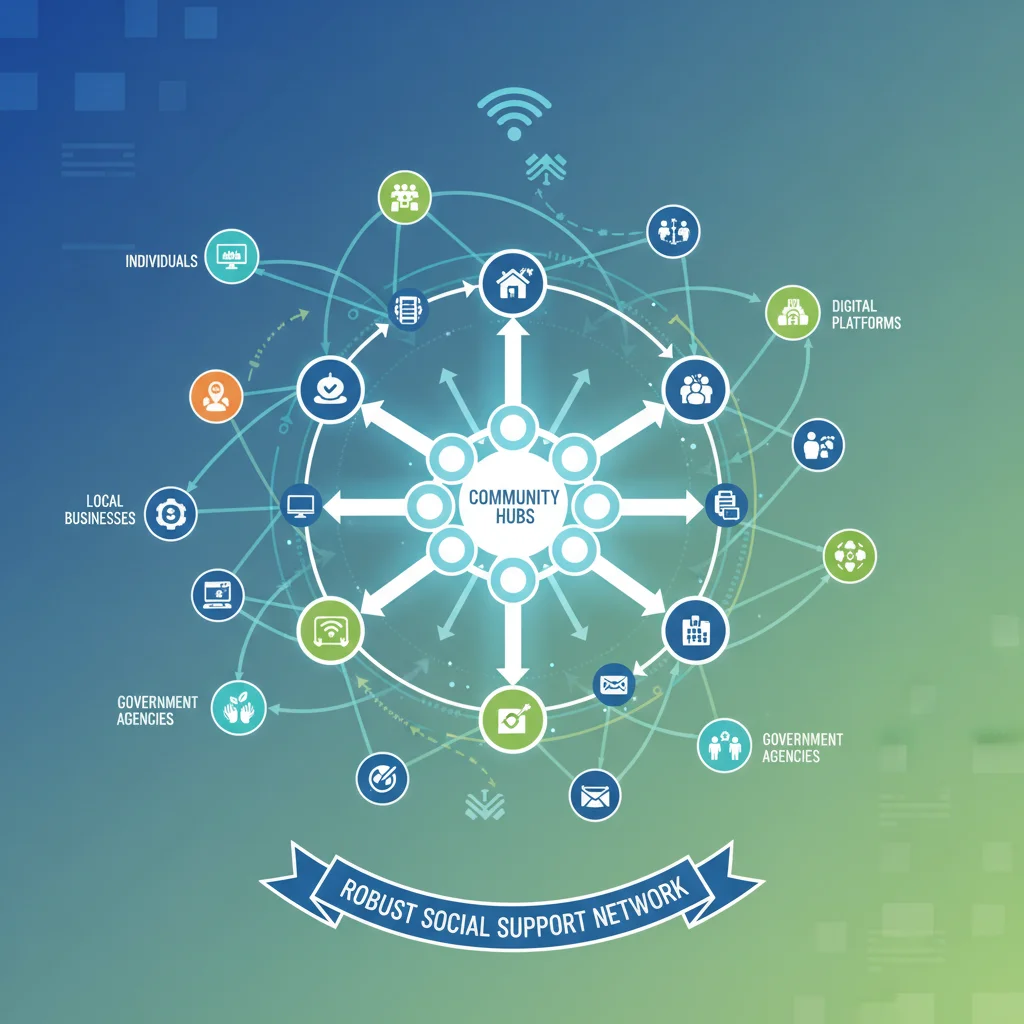
Pillar 4: Strengthening Social Support Networks and Mental Health Resources
Addressing social isolation also means bolstering the foundational elements of well-being: robust social support and accessible mental health services. These preventative and responsive social isolation solutions are crucial.
Community-Based Support Systems
- Neighborhood Watch & Care Networks: Evolving traditional neighborhood watch programs to include social check-ins for vulnerable residents, especially seniors or those living alone.
- Peer Support Groups: Expanding access to groups for individuals facing similar challenges (e.g., grief, chronic illness, new parenthood), providing a sense of shared experience and belonging.
- Volunteer Programs: Promoting volunteering as a two-way street – not only benefiting the recipients but also providing volunteers with a strong sense of purpose and social connection.
Accessible Mental Health Services
The link between social isolation and mental health is undeniable. Ensuring that individuals have access to affordable and appropriate mental health support is a critical component of any strategy to combat isolation.
- Integrated Care Models: Embedding mental health services within primary care settings, making it easier for individuals to access help.
- Telehealth Expansion: Continuing to expand and improve telehealth options for mental health, particularly for those in rural areas or with mobility challenges, while still encouraging in-person connections where possible.
- destigmatization Campaigns: Public awareness campaigns to reduce the stigma associated with seeking mental health support, encouraging open conversations about loneliness and isolation.
Pillar 5: Policy and Funding Initiatives by 2026
Effective social isolation solutions require systemic change, driven by thoughtful policy and dedicated funding at local, state, and federal levels. Governments have a crucial role to play in creating an environment where community thrives.
Governmental Support for Community Building
- Dedicated Offices/Task Forces: Establishing governmental bodies focused specifically on loneliness and social isolation, similar to initiatives seen in other countries. These bodies would coordinate efforts across various agencies and sectors.
- Funding for Community Programs: Allocating grants and funding to local non-profits, community centers, and grassroots organizations that are actively working to build social connections.
- Urban Planning Regulations: Implementing policies that incentivize or mandate the inclusion of public spaces, mixed-use zoning, and pedestrian-friendly designs in new developments.
Data Collection and Research
To effectively address social isolation, we need better data. By 2026, there should be a concerted effort to:
- Regular National Surveys: Incorporating questions about social connection and loneliness into national health surveys to track trends and identify vulnerable populations.
- Impact Assessment: Funding research to evaluate the effectiveness of various social isolation solutions and community-building programs, ensuring resources are directed towards proven strategies.
- Technology Ethics and Design: Encouraging research into how technology can be designed to foster genuine connection rather than passive consumption, and potentially regulating platforms to promote healthier usage patterns.
The Role of Education and Awareness
Beyond specific programs and policies, a fundamental shift in societal awareness and individual behavior is necessary. Education about the importance of social connection, alongside practical skills for building relationships, is a vital long-term social isolation solution.
Promoting Social Skills and Empathy
- Curriculum Integration: Incorporating questions about social connection and loneliness into national health surveys to track trends and identify vulnerable populations.
- Workplace Programs: Encouraging employers to offer workshops on fostering connection, combating loneliness, and promoting mental well-being among employees, especially in remote or hybrid work environments.
Public Awareness Campaigns
National and local campaigns can raise awareness about the prevalence and dangers of social isolation, while also promoting actionable steps individuals can take to connect with others. These campaigns can:
- Highlight the benefits of strong social ties for physical and mental health.
- Provide tips for initiating conversations and joining groups.
- Encourage acts of kindness and community engagement.
Case Studies and Success Stories
Looking at existing models that have successfully implemented social isolation solutions can provide valuable insights and inspiration:
- The UK’s Minister for Loneliness: A pioneering governmental role that has brought national attention and coordinated action to the issue.
- "Men’s Sheds" Movement: Originating in Australia, these community-based workshops provide a safe, friendly environment for men (and now women) to work on projects, share skills, and build social connections, directly combating isolation among older men.
- "The Village Movement" in the US: A growing network of non-profits that help older adults remain in their homes and communities by providing services, social activities, and volunteer networks.
- Community Fridges and Pantries: While primarily addressing food insecurity, these initiatives often become hubs for local interaction, mutual aid, and community building, reducing isolation among both givers and receivers.
Individual Responsibility in Building Connection
While systemic changes are paramount, individuals also have a crucial role to play in combating social isolation. Each person’s effort to reach out, participate, and be present contributes to the collective well-being. Simple acts like:
- Initiating Conversations: Starting a chat with a neighbor, a cashier, or someone at a park.
- Participating in Local Groups: Joining a book club, a sports league, a volunteer organization, or a hobby group.
- Being Present: Putting away devices during social interactions and practicing active listening.
- Offering Help: Extending an offer of assistance to a neighbor or friend in need.
- Reconnecting: Reaching out to old friends or family members with whom contact has been lost.
These small, consistent actions, when multiplied across a community, form a powerful antidote to isolation and are fundamental social isolation solutions.
Conclusion: A Connected Future for the US by 2026
Addressing social isolation in a digital US society by 2026 requires a multi-pronged, collaborative approach involving individuals, communities, technological innovators, and policymakers. It’s about designing our cities to be more human-centric, leveraging technology to amplify genuine connections, fostering empathy across generations and cultures, bolstering mental health support, and enacting policies that prioritize social well-being. The goal is not to eliminate digital interaction but to integrate it harmoniously with robust, in-person community life.
By consciously investing in these diverse social isolation solutions, the United States can move towards a future where its citizens feel more connected, supported, and engaged, leading to healthier individuals and more resilient, vibrant communities. The task is significant, but the potential rewards – a more empathetic, cohesive, and flourishing society – are immeasurable. The time for action is now, laying the groundwork for a more connected 2026 and beyond.