2026 Energy Market Forecast: 15% Oil Price Dip & US Economic Ripple

2026 Energy Market Forecast: A 15% Dip in Oil Prices and Its US Economic Ripple
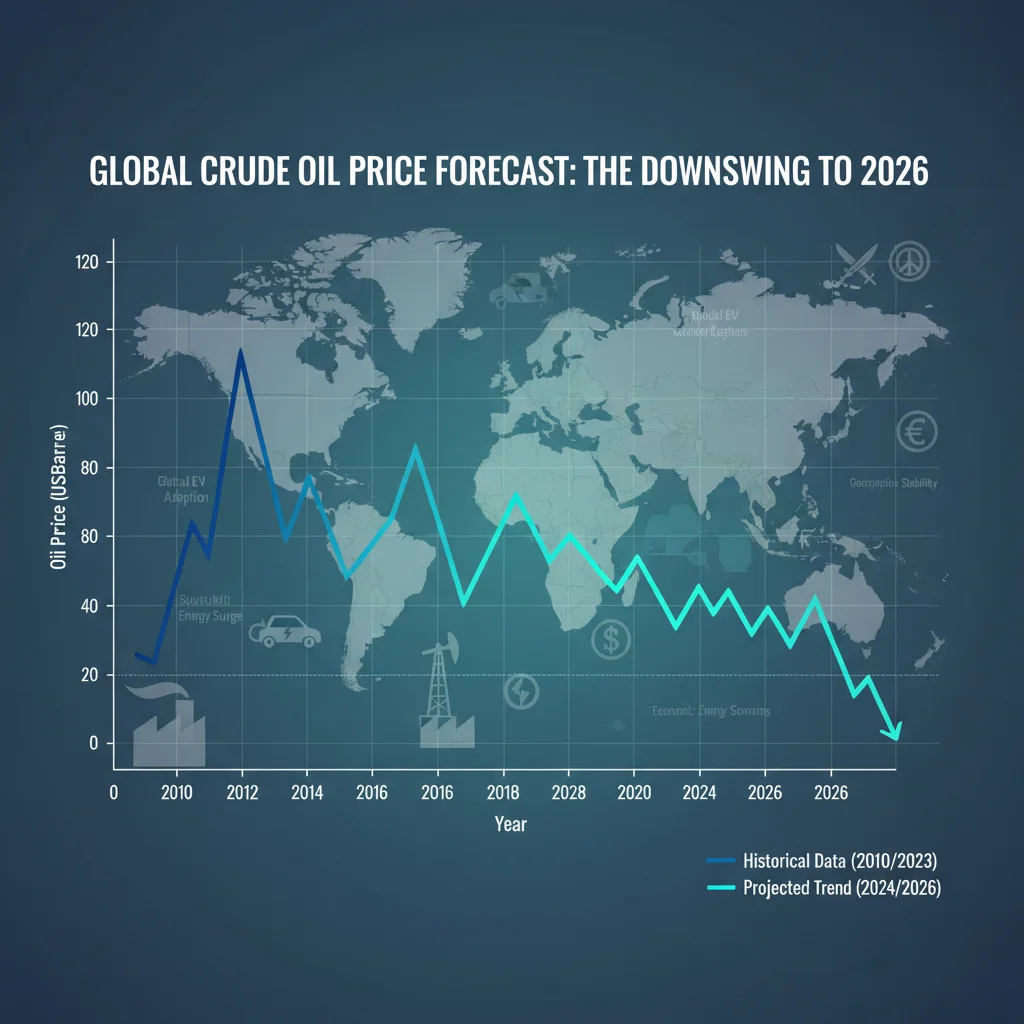
The global energy landscape is a dynamic and often unpredictable arena, constantly shaped by geopolitical events, technological advancements, and shifting demand. As we look ahead to 2026, a significant shift is anticipated: a projected 15% dip in oil prices. This isn’t just a number; it’s a powerful indicator with the potential to send ripples throughout the United States economy, affecting everything from consumer pockets to industrial output and national policy. Understanding the underlying forces driving this 2026 Oil Price Forecast and its potential consequences is crucial for businesses, policymakers, and individual citizens alike.
Understanding the Drivers Behind the 2026 Oil Price Forecast
Several factors converge to create this anticipated 15% decline in oil prices by 2026. It’s a complex interplay of supply-side dynamics, demand-side shifts, and the accelerating transition towards cleaner energy sources. Dissecting these elements provides a clearer picture of the forces at play.
Global Supply Expansion and Geopolitical Stability
One primary driver is the anticipated increase in global oil supply. While OPEC+ nations continue to play a pivotal role in managing output, non-OPEC producers, particularly the United States, are expected to ramp up production. Advancements in extraction technologies, coupled with ongoing investment in new fields, could lead to a surplus in the market. Furthermore, a relative period of geopolitical stability, or at least a reduction in major supply disruptions from key oil-producing regions, could prevent sudden price spikes and contribute to a more stable, albeit lower, price environment. The ongoing negotiations and agreements among major oil-producing nations will be critical in determining the extent of this supply expansion. Any unexpected geopolitical tensions or conflicts, however, could quickly alter this outlook, reminding us of the inherent volatility of the oil market. The resilience of global supply chains and the ability of producers to quickly adapt to changing market conditions will also play a significant role in preventing supply shocks that could artificially inflate prices. This steady increase in supply, coupled with a more predictable global political climate, forms a cornerstone of the 2026 Oil Price Forecast.
Evolving Global Demand Patterns
On the demand side, a multifaceted shift is underway. Economic growth, particularly in major consuming nations like China and India, remains a significant determinant. However, the pace of this growth, coupled with increasing energy efficiency, could temper oil demand. The electrification of transportation, with a growing adoption of electric vehicles (EVs) globally, is perhaps the most significant long-term threat to oil demand. While EVs still represent a small fraction of the total vehicle fleet, their market share is projected to expand significantly by 2026, slowly but steadily eroding gasoline demand. Moreover, regulatory pressures and environmental concerns are pushing industries towards reducing their carbon footprint, leading to a decline in the use of fossil fuels in various sectors. The aviation and shipping industries, traditionally heavy consumers of oil, are also exploring alternative fuels and efficiency measures. These gradual but persistent changes in consumption patterns contribute substantially to the projected downward pressure on oil prices, making the 2026 Oil Price Forecast an increasingly complex equation of traditional and emerging influences.
The Accelerating Renewable Energy Transition
The most transformative factor impacting the long-term 2026 Oil Price Forecast is the accelerating global transition to renewable energy. Investments in solar, wind, and other clean energy technologies are soaring, driven by technological advancements, declining costs, and urgent climate action goals. As renewable energy sources become more competitive and reliable, they displace fossil fuels in electricity generation, industrial processes, and even heating. Government incentives, international agreements, and corporate sustainability commitments are all fueling this transition. While oil is primarily used for transportation and petrochemicals, the broader shift in the energy mix creates a psychological and economic environment that favors lower fossil fuel prices. The increasing grid capacity for renewables, along with advancements in energy storage solutions, further solidifies the position of clean energy as a viable and increasingly dominant alternative. This systemic shift is not just about reducing carbon emissions; it’s about fundamentally reshaping the global energy architecture, with profound implications for traditional energy markets and the 2026 Oil Price Forecast.
The US Economic Ripple: Who Wins and Who Loses?
A 15% dip in oil prices by 2026 will undoubtedly send a complex array of economic ripples across the United States. While lower energy costs can be a boon for many sectors and consumers, they also pose significant challenges for others. Understanding this nuanced impact is key to preparing for the future.
Beneficiaries: Consumers and Energy-Intensive Industries
The most immediate and widespread benefit of lower oil prices will be felt by American consumers. Cheaper gasoline prices at the pump mean more disposable income, which can stimulate consumer spending across various sectors of the economy. This ‘gasoline dividend’ acts as a de facto tax cut, leaving households with more money for goods, services, and savings. Industries heavily reliant on transportation and energy, such as airlines, trucking companies, and manufacturing, will also see reduced operational costs. This can translate into higher profit margins, increased investment, and potentially lower prices for goods, further benefiting consumers. Agricultural sectors, which depend on fuel for machinery and transportation, could also experience cost reductions. The overall inflationary pressure within the economy might also ease, allowing the Federal Reserve more flexibility in monetary policy. This broad benefit for consumers and energy-intensive industries is a significant positive aspect of the 2026 Oil Price Forecast.
Challenges: The US Oil and Gas Sector
Conversely, a 15% decline in oil prices poses considerable challenges for the domestic US oil and gas industry. Producers, particularly those engaged in more expensive extraction methods like shale drilling, may find their profit margins squeezed. This could lead to reduced capital expenditure, slower drilling activity, and potential job losses in oil-producing regions like Texas, North Dakota, and Oklahoma. Investment in new exploration and production projects might slow down, impacting the long-term supply capabilities of the US. Service companies that support the drilling operations, from equipment suppliers to logistics providers, would also face headwinds. While some larger, more diversified energy companies might weather the storm better, smaller independent producers could be particularly vulnerable. This sector-specific downturn could have localized economic impacts, affecting state revenues from severance taxes and royalties. The federal government’s energy policies and support for domestic production might also come under scrutiny in this lower-price environment, making the 2026 Oil Price Forecast a double-edged sword for the nation’s energy independence goals.
Broader Economic Impacts and Policy Responses
Beyond the direct winners and losers, a sustained dip in oil prices can have broader macroeconomic implications. While lower energy costs can boost overall economic growth, a significant downturn in the energy sector could counteract some of those gains. The US trade balance might also be affected; while reduced imports of oil could improve the balance, reduced exports of domestically produced oil could offset this. The financial markets will also react, with energy stocks potentially underperforming and investors shifting capital to other sectors. Policymakers will face the delicate task of balancing the benefits of lower energy costs for consumers with the need to support the domestic energy industry. This could involve exploring measures to diversify regional economies dependent on oil and gas, investing in infrastructure projects, or even re-evaluating strategic petroleum reserve policies. The 2026 Oil Price Forecast will undoubtedly be a key consideration in future economic policy discussions, requiring a strategic and adaptive approach from Washington.
Key Sectors and Their Adaptation Strategies
The anticipated 15% dip in oil prices by 2026 necessitates strategic adaptation across various sectors of the US economy. From transportation to manufacturing and the burgeoning renewable energy industry, each will need to recalibrate its operations and investment plans to navigate this new energy paradigm.
Transportation and Logistics: Efficiency and Diversification
The transportation and logistics sectors stand to benefit significantly from lower fuel costs. Airlines, shipping companies, and trucking firms will see their operational expenses decrease, potentially leading to higher profitability or the ability to offer more competitive pricing. However, smart players in these industries won’t simply pocket the savings. Instead, many will likely reinvest in further fuel efficiency measures, such as upgrading fleets to more aerodynamic vehicles or adopting alternative fuel technologies where feasible. The long-term trend towards electrification for ground transport remains strong, and lower oil prices might even accelerate the transition for some, as the cost difference becomes less pronounced. Companies might also explore optimizing supply chains to reduce overall fuel consumption, leveraging data analytics and AI for more efficient routing. This focus on long-term sustainability and diversification will be crucial, even with the short-term benefits highlighted by the 2026 Oil Price Forecast.
Manufacturing and Petrochemicals: Cost Advantage and Innovation
For the manufacturing sector, especially those with energy-intensive processes, lower oil prices translate directly into reduced input costs. This can enhance competitiveness, both domestically and internationally, allowing US manufacturers to either increase profit margins or pass savings on to consumers. The petrochemical industry, which uses oil as a feedstock for a vast array of products from plastics to fertilizers, will also experience a significant cost advantage. This could spur investment in new production facilities and innovation in material science. However, manufacturers are also increasingly under pressure to demonstrate environmental responsibility. Therefore, while benefiting from lower oil prices, many will continue to invest in energy-efficient machinery and explore renewable energy sources for their power needs, signaling a dual approach to energy strategy. The 2026 Oil Price Forecast provides a window of opportunity for these sectors to bolster their economic standing while simultaneously pursuing greener operational strategies.
Renewable Energy Sector: Continued Growth Amidst Competition
While a dip in oil prices might seem to reduce the immediate cost advantage of renewables, the long-term trajectory for clean energy remains robust. The renewable energy sector is driven by more than just fossil fuel prices; it’s propelled by climate change imperatives, technological advancements, declining production costs, and urgent climate action goals. Government incentives, such as tax credits and subsidies, continue to make solar, wind, and battery storage projects attractive. Furthermore, corporate demand for renewable energy, driven by sustainability targets, is a powerful market force. A temporary dip in oil prices might slightly slow the pace of transition in some marginal cases, but it is unlikely to derail the fundamental shift. In fact, it could encourage even greater innovation in cost reduction and efficiency within the renewable sector to maintain its competitive edge. The 2026 Oil Price Forecast, therefore, should not be seen as a threat to renewables but rather as a test of their inherent economic viability and resilience in a dynamic energy market.

Investment Implications and Market Adjustments
The anticipated 15% dip in oil prices by 2026 will undoubtedly trigger significant adjustments in financial markets and investment strategies. Investors, from individual shareholders to large institutional funds, will need to re-evaluate their portfolios and identify both risks and opportunities stemming from this shift in the energy landscape.
Energy Sector Investments: Reassessment and Diversification
For investors heavily exposed to the traditional oil and gas sector, the 2026 Oil Price Forecast necessitates a careful reassessment. Companies with high production costs, significant debt, or limited diversification into other energy sources may face increased pressure. This could lead to a consolidation within the industry, with stronger players acquiring weaker ones. Investors might pivot towards energy companies that are actively investing in carbon capture technologies, renewable energy projects, or those with robust operational efficiencies. Dividend payouts from oil majors could also come under scrutiny. Conversely, companies in the renewable energy space, despite a potential narrowing of the competitive gap in the short term, are likely to continue attracting long-term capital due to favorable policy environments and growing global demand for sustainable energy. The emphasis will shift from pure fossil fuel extraction to integrated energy solutions.
Broader Market Impact: Shifting Valuations
Beyond the energy sector, the lower oil price environment will have broader market implications. Industries that benefit from reduced energy costs, such as airlines, logistics, and manufacturing, could see their stock valuations improve. Consumer discretionary stocks might also gain as households have more disposable income. Conversely, sectors indirectly tied to oil and gas, such as certain industrial equipment manufacturers or real estate in oil-producing regions, might experience headwinds. Inflation expectations could also be tempered, influencing central bank policies and interest rate outlooks. Investors will be closely watching macroeconomic indicators and corporate earnings reports to gauge the full extent of these shifts. The 2026 Oil Price Forecast acts as a catalyst for a re-evaluation of fundamental economic drivers and their impact on market sectors.
Strategic Investment Opportunities
Savvy investors will look for strategic opportunities arising from this forecast. This could include:
- Clean Energy Infrastructure: Investments in transmission lines, grid modernization, and energy storage solutions will be critical for integrating more renewables.
- Electric Vehicle Ecosystem: Beyond EV manufacturers, opportunities exist in charging infrastructure, battery technology, and related software services.
- Energy Efficiency Technologies: Companies developing solutions for industrial and residential energy savings will likely see increased demand.
- Commodities Beyond Oil: As the world electrifies, demand for critical minerals like copper, lithium, and nickel will surge, offering new investment avenues.
- Consumer-Oriented Growth: Companies that stand to benefit from increased consumer spending due to lower energy costs.
Navigating these market adjustments requires a forward-looking perspective and a willingness to adapt investment strategies to the evolving energy landscape, making the 2026 Oil Price Forecast a central piece of any long-term financial planning.
Policy Responses and Future Outlook
The anticipated 15% dip in oil prices by 2026 will undoubtedly prompt various policy responses from governments and international bodies, further shaping the future energy landscape and the broader economy. These responses will aim to mitigate negative impacts, capitalize on new opportunities, and steer towards long-term strategic goals.
Governmental Policy Adjustments
In the United States, policymakers will face a delicate balancing act. On one hand, lower oil prices provide an opportunity to potentially increase the federal gasoline tax without unduly burdening consumers, thereby funding much-needed infrastructure projects. On the other hand, the domestic oil and gas industry will likely lobby for support, potentially through tax incentives or regulatory relief, to maintain competitiveness and prevent job losses in key regions. States heavily reliant on oil and gas revenues may need to diversify their economic bases and tax structures. Furthermore, the push for renewable energy might see continued or even enhanced federal support through grants, tax credits, and research funding, irrespective of oil price fluctuations, driven by climate goals and energy security considerations. The 2026 Oil Price Forecast will thus become a significant factor in budgetary allocations and legislative debates.
International Cooperation and Energy Security
Globally, lower oil prices could ease geopolitical tensions in some oil-producing regions, but also potentially destabilize economies heavily dependent on oil exports. International bodies like the IEA and OPEC will play crucial roles in monitoring market stability and coordinating responses. Discussions around strategic petroleum reserves might also evolve, with some nations potentially looking to replenish reserves at lower prices, while others might re-evaluate their necessity in a world with diversifying energy sources. The broader narrative of energy security will shift from solely focusing on fossil fuel supply to encompassing the resilience of renewable energy grids and critical mineral supply chains. This international dimension highlights the interconnectedness of energy markets and the far-reaching implications of the 2026 Oil Price Forecast.
Long-Term Energy Transition Acceleration
Ultimately, a sustained period of lower oil prices, even if driven by supply-demand dynamics, reinforces the economic viability and inevitability of the long-term energy transition. It signals to investors and policymakers that the era of unchallenged fossil fuel dominance is waning. This could accelerate investments in research and development for advanced renewable technologies, energy storage, and carbon capture utilization and storage (CCUS). It might also prompt a more aggressive phase-out of fossil fuel subsidies and a greater push towards carbon pricing mechanisms. The 2026 Oil Price Forecast, therefore, is not just a snapshot of a future market condition, but a powerful indicator of the structural changes underway that will redefine global energy for decades to come, moving us towards a more diversified, sustainable, and potentially less carbon-intensive future.
Conclusion: Navigating the Evolving Energy Landscape
The projected 15% dip in oil prices by 2026 represents a significant inflection point in the global energy market, with profound and multifaceted implications for the United States economy. This 2026 Oil Price Forecast is not a singular event but the culmination of expanding global supply, evolving demand patterns driven by efficiency and electrification, and the undeniable acceleration of the renewable energy transition. While consumers and energy-intensive industries stand to benefit from reduced costs, the domestic oil and gas sector will face considerable challenges, necessitating strategic adaptation and potential economic diversification in affected regions.
The ripple effects will extend across various sectors: transportation and logistics will prioritize efficiency and diversification, manufacturing and petrochemicals will gain a cost advantage but must also innovate sustainably, and the renewable energy sector will continue its robust growth, driven by long-term strategic imperatives. For investors, this outlook demands a reassessment of portfolios, shifting capital towards resilient energy companies, clean energy infrastructure, and sectors poised to benefit from increased consumer spending and technological advancement.
Policymakers, both domestically and internationally, will be tasked with crafting responses that balance economic stability with environmental goals, potentially leading to adjustments in taxation, subsidies, and energy security strategies. Ultimately, the 2026 Oil Price Forecast serves as a powerful reminder of the dynamism of the energy market and the accelerating shift towards a more diversified and sustainable future. Successfully navigating this evolving landscape will require foresight, adaptability, and a commitment to innovation from all stakeholders.