American Fashion Trends 2026: Sustainable, Tech, and Inclusivity
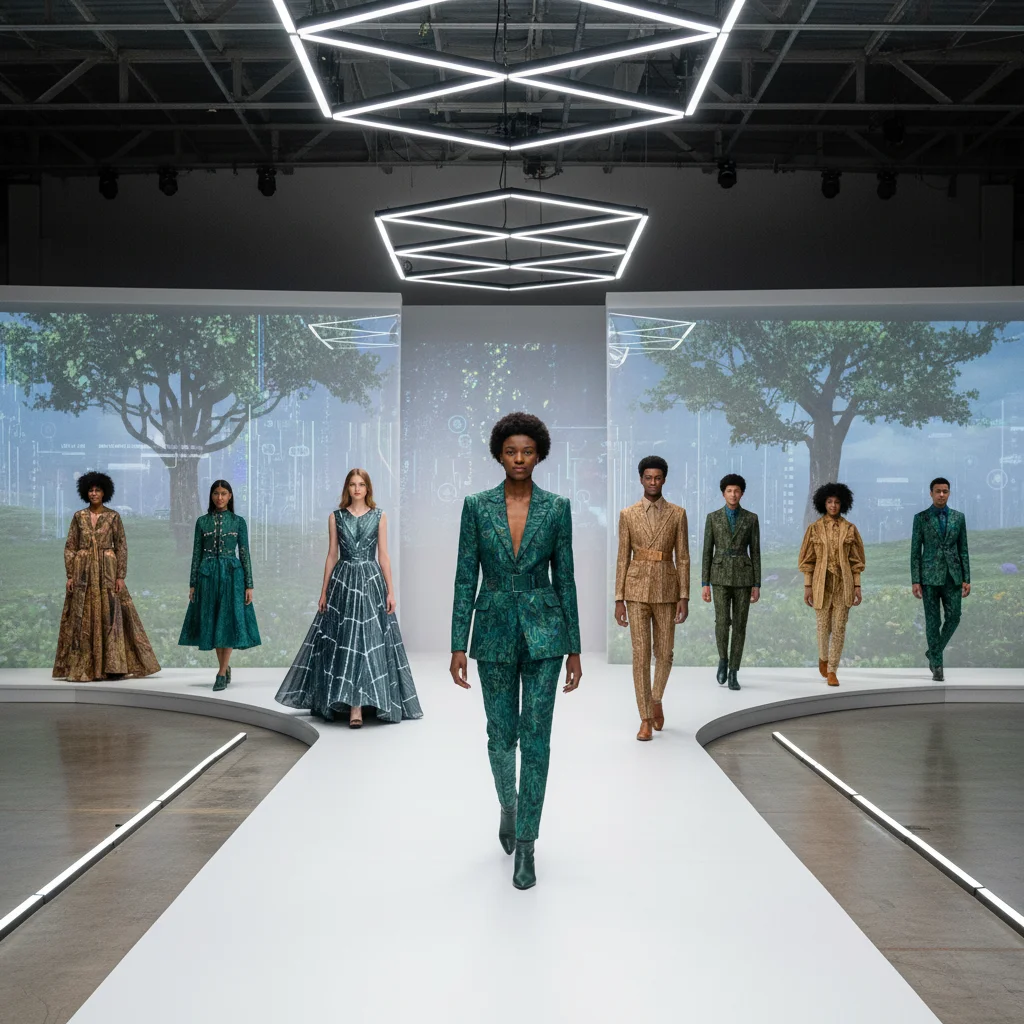
The Evolution of American Fashion: 3 Major Trends Redefining Style for 2026
The fashion landscape is in a constant state of flux, a dynamic canvas reflecting societal shifts, technological advancements, and evolving consumer values. As we cast our gaze towards 2026, the American fashion scene is poised for a significant transformation, driven by three overarching themes: sustainability as a core principle, the seamless integration of technology, and a profound commitment to radical inclusivity. These aren’t just fleeting fads; they represent fundamental shifts that will redefine how we create, consume, and perceive style in the coming years. Understanding these American Fashion Trends 2026 is crucial for anyone involved in or passionate about the industry.
For decades, American fashion has been a melting pot of global influences, a vibrant blend of classic elegance, rebellious streetwear, and pragmatic ready-to-wear. However, the future promises a more conscientious and interconnected approach. Designers, brands, and consumers are increasingly recognizing their role in shaping a more responsible and equitable industry. This article delves deep into these three major trends, offering recent updates and insider knowledge to provide a comprehensive understanding of what’s on the horizon for American fashion.
Trend 1: The Sustainability Imperative – Beyond Greenwashing
Sustainability is no longer a niche concern; it is rapidly becoming the bedrock of modern fashion. By 2026, the concept of sustainable fashion will have evolved far beyond mere buzzwords, demanding genuine, verifiable practices across the entire supply chain. Consumers are savvier, and their expectations for transparency and ethical production are higher than ever. This trend is not just about using organic cotton; it encompasses a holistic approach to environmental and social responsibility.
Circular Economy Principles at the Forefront
One of the most significant shifts within sustainable fashion is the widespread adoption of circular economy principles. This means moving away from the traditional linear ‘take-make-dispose’ model towards a system where materials are kept in use for as long as possible. For American Fashion Trends 2026, this translates into a greater emphasis on:
- Recycled and Upcycled Materials: Expect to see an explosion of garments made from recycled plastics, regenerated nylon, and upcycled textile waste. Brands are investing heavily in research and development to create high-quality fabrics from what would otherwise be discarded.
- Design for Longevity and Repairability: Durability and timeless design will be prized. Clothes will be made to last, with brands offering repair services or guidance to extend the lifespan of their products. This counters the fast fashion cycle and encourages consumers to invest in pieces rather than constantly replacing them.
- Rental and Resale Platforms: The growth of the rental and resale market is phenomenal and will continue to accelerate. Companies like Rent the Runway and The RealReal are paving the way, with more mainstream brands launching their own take-back programs and second-hand offerings. This model promotes access over ownership and reduces the demand for new production.
- Biodegradable and Bio-based Materials: Innovation in materials science is leading to exciting developments in biodegradable textiles derived from natural sources such as algae, mushrooms, and plant waste. These materials offer an end-of-life solution that minimizes environmental impact.
Supply Chain Transparency and Ethical Production
Consumers want to know where their clothes come from and under what conditions they were made. This demand for transparency is pushing American brands to scrutinize their supply chains more closely. Blockchain technology, for instance, is increasingly being used to track products from raw material to finished garment, providing an immutable record of their journey. Ethical labor practices, fair wages, and safe working conditions will not just be a ‘nice-to-have’ but a fundamental expectation. Brands failing to meet these standards risk significant reputational damage and consumer backlash.
Water and Energy Conservation
The fashion industry is notoriously resource-intensive. By 2026, efforts to reduce water consumption in dyeing and finishing processes, as well as energy usage in manufacturing, will be paramount. Innovations like waterless dyeing techniques and the use of renewable energy sources in factories will become more commonplace. The focus will be on minimizing the ecological footprint at every stage of production, making sustainability a defining characteristic of American Fashion Trends 2026.
Trend 2: The Technological Fusion – Smart Fashion and Digital Experiences
Technology is no longer just a tool for design or e-commerce; it’s becoming an intrinsic part of the garments themselves and how we interact with fashion. The intersection of fashion and tech will create exciting new possibilities, from smart textiles to immersive digital experiences. This trend promises to revolutionize everything from personal styling to manufacturing processes.
Smart Textiles and Wearable Technology
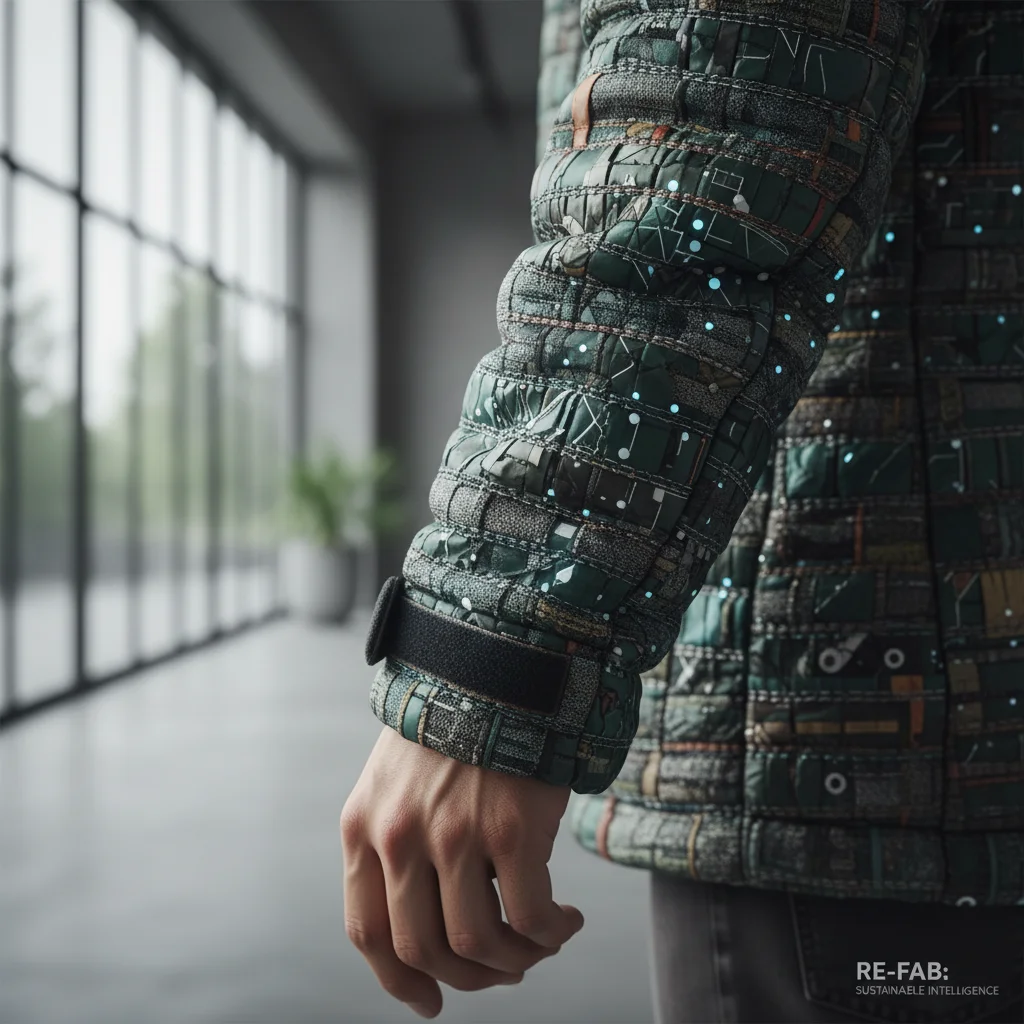
Imagine clothes that monitor your health, adjust to temperature changes, or even charge your devices. While some of these concepts might seem futuristic, they are rapidly becoming a reality. By 2026, expect to see more widespread integration of smart textiles that offer:
- Health Monitoring: Fabrics embedded with sensors that can track heart rate, body temperature, and even stress levels, seamlessly integrating health and wellness into daily wear.
- Adaptive Functionality: Garments that can change color, regulate warmth, or even self-clean, offering unprecedented levels of comfort and convenience.
- Enhanced Performance: Activewear will continue to evolve with smart features that optimize athletic performance, provide feedback, and prevent injuries.
- Interactive Elements: Clothing that lights up, changes patterns, or interacts with digital devices, blurring the lines between fashion and entertainment.
These innovations will not only enhance functionality but also open new avenues for personal expression, making technology a key driver for American Fashion Trends 2026.
AI and Data-Driven Personalization
Artificial intelligence and machine learning are revolutionizing how brands understand and cater to individual preferences. By analyzing vast amounts of data – from purchasing history to social media activity – AI can predict trends, optimize inventory, and offer highly personalized recommendations. This means a more tailored shopping experience, reduced waste from overproduction, and garments that truly resonate with individual styles. Virtual try-on technologies using augmented reality (AR) will also become more sophisticated and commonplace, allowing consumers to visualize how clothes look on them without physically trying them on, enhancing the online shopping experience.
Digital Fashion and the Metaverse
The rise of the metaverse and digital fashion is one of the most exciting and disruptive technological trends. Digital-only garments, NFTs (Non-Fungible Tokens) for fashion, and virtual showrooms are gaining traction. By 2026, brands will increasingly invest in creating digital collections that can be worn by avatars in virtual worlds, or even overlaid onto real-world images through AR. This opens up entirely new revenue streams and creative possibilities, allowing for designs that defy the constraints of physical reality. The metaverse offers a new frontier for marketing, community building, and even co-creation, profoundly impacting the future of American Fashion Trends 2026.
Trend 3: Radical Inclusivity – Beyond Tokenism
For too long, the fashion industry has been criticized for its lack of diversity and its narrow beauty standards. However, a powerful movement towards radical inclusivity is reshaping this narrative. By 2026, inclusivity will be deeply embedded in the design process, marketing campaigns, and brand ethos, moving beyond performative gestures to genuine representation and accessibility.
Size Inclusivity as a Standard
The demand for size inclusivity has been growing steadily, and by 2026, it will be an expectation, not an exception. Brands will offer a much broader range of sizes as standard, recognizing that beauty and style exist across all body types. This isn’t just about offering larger sizes; it’s about designing garments that genuinely fit and flatter different proportions, moving away from simply scaling up smaller patterns. This shift reflects a broader understanding that fashion should be accessible and empowering for everyone.
Adaptive Clothing and Universal Design
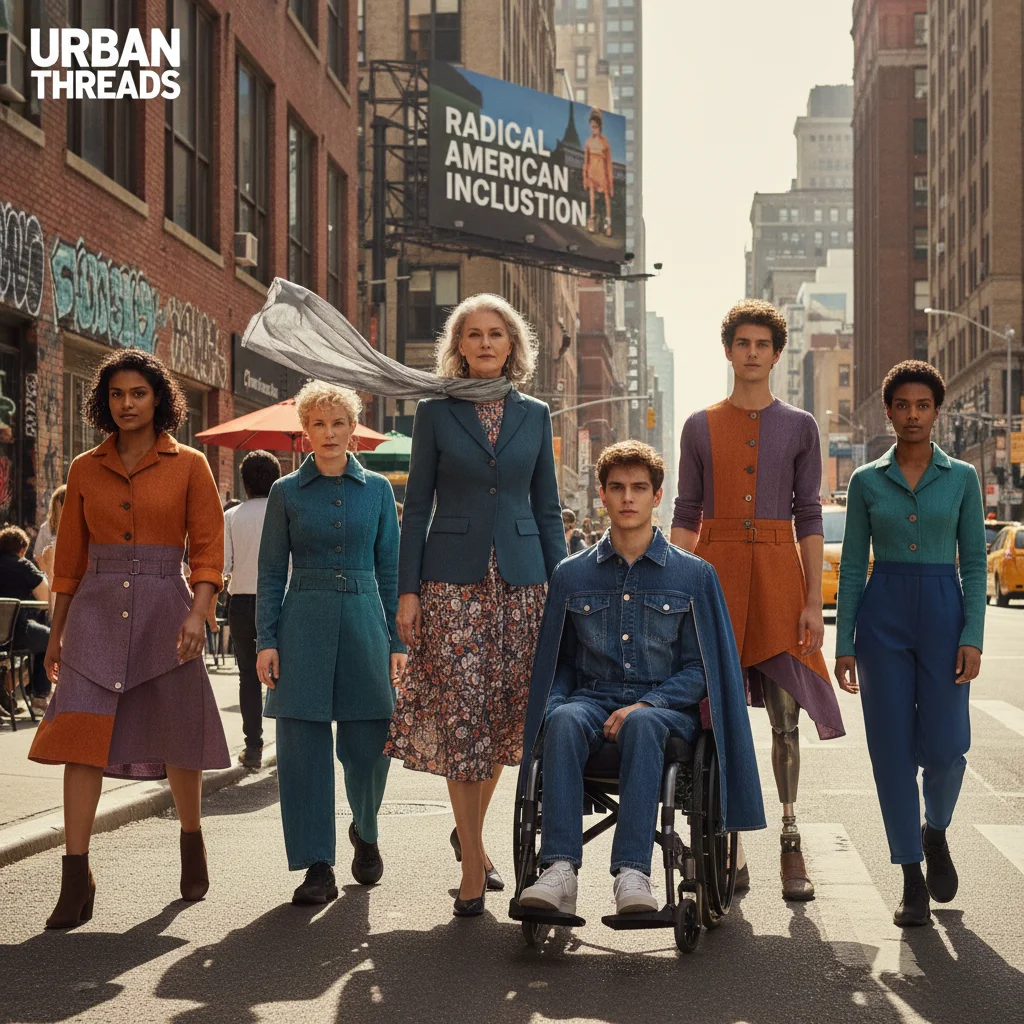
A truly inclusive fashion industry caters to people of all abilities. Adaptive clothing, designed for individuals with disabilities, will see significant growth and innovation. This includes features like magnetic closures, easy-access openings, and sensory-friendly fabrics. The principles of universal design – creating products that are usable by all people, to the greatest extent possible, without the need for adaptation or specialized design – will influence mainstream collections. This commitment to accessibility will be a hallmark of American Fashion Trends 2026, ensuring that style is not limited by physical constraints.
Diverse Representation in Media and Marketing
The faces we see in fashion campaigns, on runways, and in magazines will continue to diversify. Representation will extend beyond race and ethnicity to include age, gender identity, body shape, and ability. This authentic representation not only reflects the reality of consumer bases but also fosters a sense of belonging and validates diverse identities. Brands that truly embrace this will build stronger, more loyal communities. The storytelling around fashion will become more authentic and reflective of a multifaceted society.
Gender Fluidity and Non-Binary Fashion
The traditional boundaries of gender in fashion are increasingly dissolving. By 2026, gender-fluid and non-binary collections will be more prevalent, offering styles that are not constrained by conventional male or female aesthetics. This trend empowers individuals to express their identity freely through clothing, challenging norms and fostering a more expansive understanding of personal style. Many brands are already experimenting with unisex lines, and this will become a significant aspect of future American Fashion Trends 2026.
The Interconnected Future of American Fashion
These three major trends – sustainability, technology, and inclusivity – are not isolated phenomena; they are deeply interconnected and mutually reinforcing. Sustainable practices often benefit from technological advancements, such as AI-driven waste reduction or innovative material development. Inclusivity, in turn, drives demand for diverse product offerings and ethical production, pushing brands towards more sustainable and transparent practices. Technology can also enhance inclusivity, for example, through adaptive wearable tech or virtual sizing tools.
The consumer of 2026 will be more informed, more ethically conscious, and more digitally savvy. They will seek brands that align with their values, offering products that are not only stylish but also sustainable, technologically advanced, and authentically inclusive. Brands that fail to adapt to these evolving expectations risk becoming obsolete.
Challenges and Opportunities
While these trends present immense opportunities for innovation and growth, they also come with challenges. Implementing sustainable practices often requires significant investment in new technologies and supply chain restructuring. Integrating technology into garments demands expertise in both fashion and engineering. Achieving radical inclusivity requires a fundamental shift in mindset and design processes.
However, the rewards for embracing these challenges are substantial. Brands that successfully navigate these shifts will not only attract a new generation of consumers but also contribute to a more resilient, responsible, and relevant fashion industry. The American Fashion Trends 2026 point towards a future where fashion is not just about aesthetics, but also about ethics, innovation, and social impact.
Key Takeaways for the Future of Style
As the fashion world hurtles towards 2026, understanding these shifts is paramount for designers, manufacturers, retailers, and consumers alike. The industry is moving towards a more thoughtful and responsible paradigm. Here’s a recap of what to expect:
- Sustainability is Non-Negotiable: From circular design to ethical supply chains, environmental and social responsibility will be foundational.
- Technology as an Enabler: Smart textiles, AI personalization, and digital fashion will redefine product functionality and consumer interaction.
- Inclusivity as a Core Value: Size, ability, gender, and diverse representation will be standard, making fashion accessible and empowering for all.
The evolution of American fashion is a dynamic and exciting journey. By embracing these major trends, the industry can create a future that is not only stylish but also sustainable, innovative, and truly representative of the diverse world we live in. The American Fashion Trends 2026 are not just predictions; they are a roadmap to a better, more conscious fashion future.
Looking Ahead: The Role of Education and Collaboration
To truly embed these trends, there needs to be a continuous emphasis on education and collaboration across the industry. Fashion schools will play a crucial role in training the next generation of designers and professionals with a strong foundation in sustainable practices, technological literacy, and inclusive design principles. Inter-industry collaborations between fashion brands, tech companies, and material scientists will accelerate innovation and help overcome complex challenges.
Furthermore, consumer education is vital. Empowering individuals to make informed purchasing decisions, understand the impact of their choices, and participate in circular fashion models will drive the demand for these progressive trends. The collective effort of all stakeholders is essential to fully realize the potential of these American Fashion Trends 2026.
The future of American fashion is bright, innovative, and deeply conscious. It’s a future where style is a powerful tool for positive change, reflecting a society that values responsibility, progress, and authentic self-expression above all else. Prepare to witness a captivating transformation that will redefine the very essence of what it means to be fashionable.