Metaverse Cultural Footprint: What Americans Need to Know for 2026
The Metaverse’s Evolving Cultural Footprint in America: What You Need to Know for 2026
The concept of the metaverse, once confined to science fiction novels and niche gaming communities, is rapidly transforming into a tangible reality. For Americans, understanding the metaverse cultural impact by 2026 is no longer an academic exercise but a practical necessity. This immersive digital realm promises to reshape everything from how we work and socialize to how we consume entertainment and express our identities. As we stand on the cusp of this digital revolution, it’s crucial to analyze the recent updates, compare current trends with future projections, and grasp the profound implications for American society.
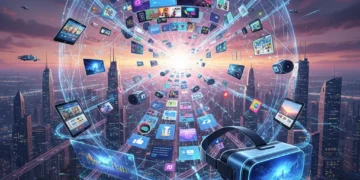
The metaverse, in its broadest definition, refers to a persistent, online, 3D universe that combines multiple different virtual spaces. It can be thought of as a future iteration of the internet, one that is always on and always evolving, where users can interact with each other, digital objects, and AI-driven entities in real-time. This isn’t just about putting on a VR headset; it encompasses augmented reality (AR), virtual reality (VR), mixed reality (MR), artificial intelligence (AI), blockchain technology, and the burgeoning digital economy fueled by NFTs and cryptocurrencies.
By 2026, the metaverse cultural impact is expected to be deeply ingrained in the fabric of American life. We’re talking about a shift that will be as significant as the advent of the internet or mobile phones. This article will delve into the current landscape of the metaverse, highlight recent advancements, and project how these changes will manifest in the daily lives, social structures, economic models, and cultural expressions of Americans over the next few years. We will explore the opportunities, challenges, and ethical considerations that arise as this digital frontier expands.
Recent Updates and the Accelerating Pace of Metaverse Adoption
The past few years have seen an exponential growth in metaverse-related developments. Major tech companies like Meta (formerly Facebook), Microsoft, Apple, and Google are investing billions into hardware, software, and content creation for this new frontier. Gaming platforms such as Roblox and Fortnite, which already host millions of users in persistent virtual worlds, are often cited as precursors to the full metaverse experience. These platforms have demonstrated the immense potential for user-generated content, virtual economies, and social interaction within digital spaces.
Hardware Innovations
Advancements in VR and AR hardware are making immersive experiences more accessible and comfortable. Lighter, more powerful VR headsets with improved resolution and wider fields of view are becoming mainstream. AR glasses, though still in their nascent stages, promise to overlay digital information onto our physical world, blending realities seamlessly. These technological leaps are critical for enhancing the metaverse cultural impact, as they lower the barrier to entry and make prolonged engagement more feasible.
Software and Platform Development
Beyond hardware, the development of robust metaverse platforms is accelerating. Companies are building interconnected virtual worlds, interoperable avatar systems, and standardized protocols that will allow users to move assets and identities across different metaverse experiences. This interoperability is a key factor in realizing a truly unified metaverse, preventing fragmentation into isolated digital silos.
Economic and Commercial Expansion
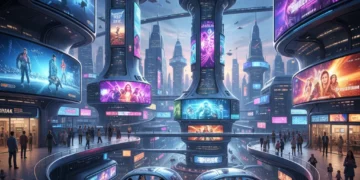
The metaverse economy is booming. Non-fungible tokens (NFTs) have revolutionized digital ownership, allowing users to own virtual land, fashion, art, and collectibles. Major brands, from Nike to Gucci, are establishing a presence in the metaverse, launching virtual stores, digital products, and immersive marketing campaigns. This commercialization is a significant driver of the metaverse cultural impact, as it introduces new forms of consumption, brand loyalty, and economic activity.
Social and Community Building
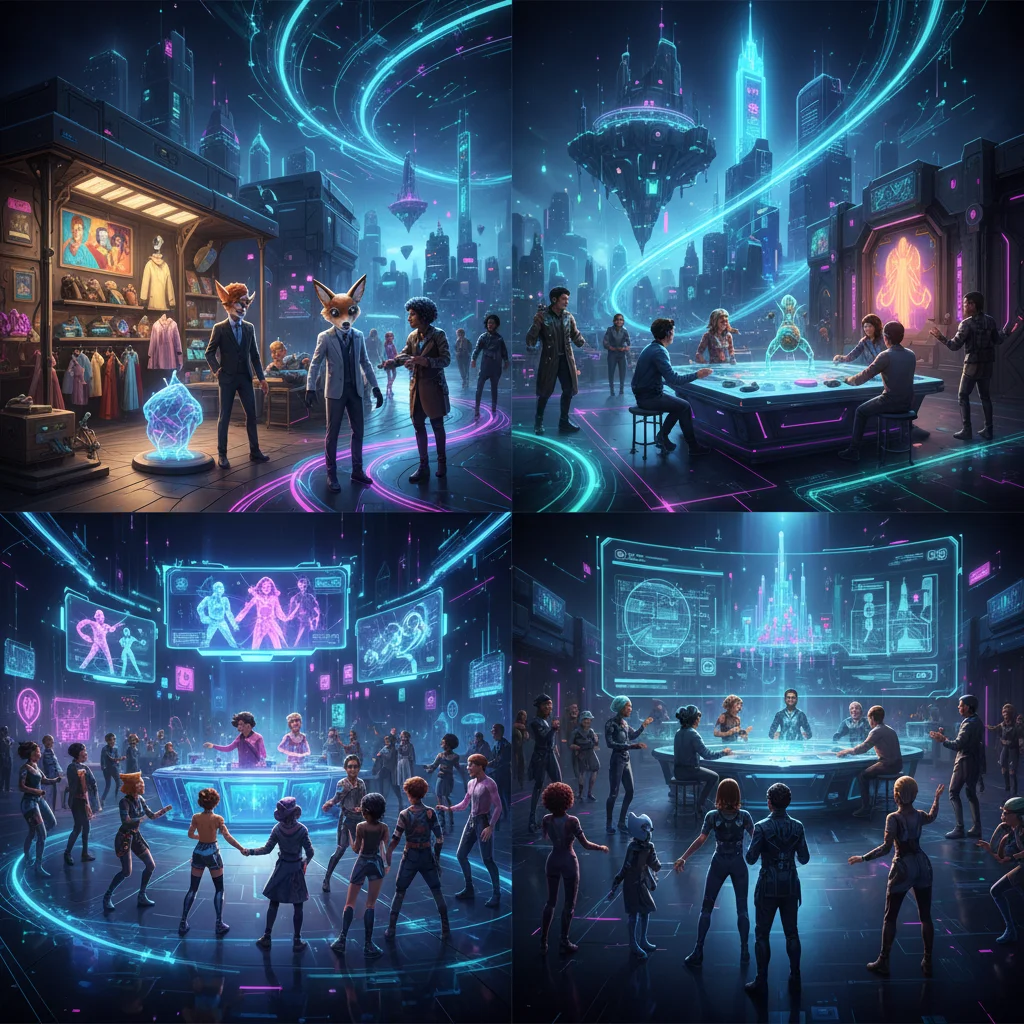
Perhaps the most profound recent update is the growing emphasis on social interaction and community building within the metaverse. Virtual concerts, conferences, and social gatherings are becoming increasingly common, offering new ways for people to connect, collaborate, and share experiences regardless of geographical boundaries. These social applications are a direct contributor to the evolving metaverse cultural impact, fostering new forms of community and belonging.
The Metaverse Cultural Impact: A Comparison of Today vs. 2026
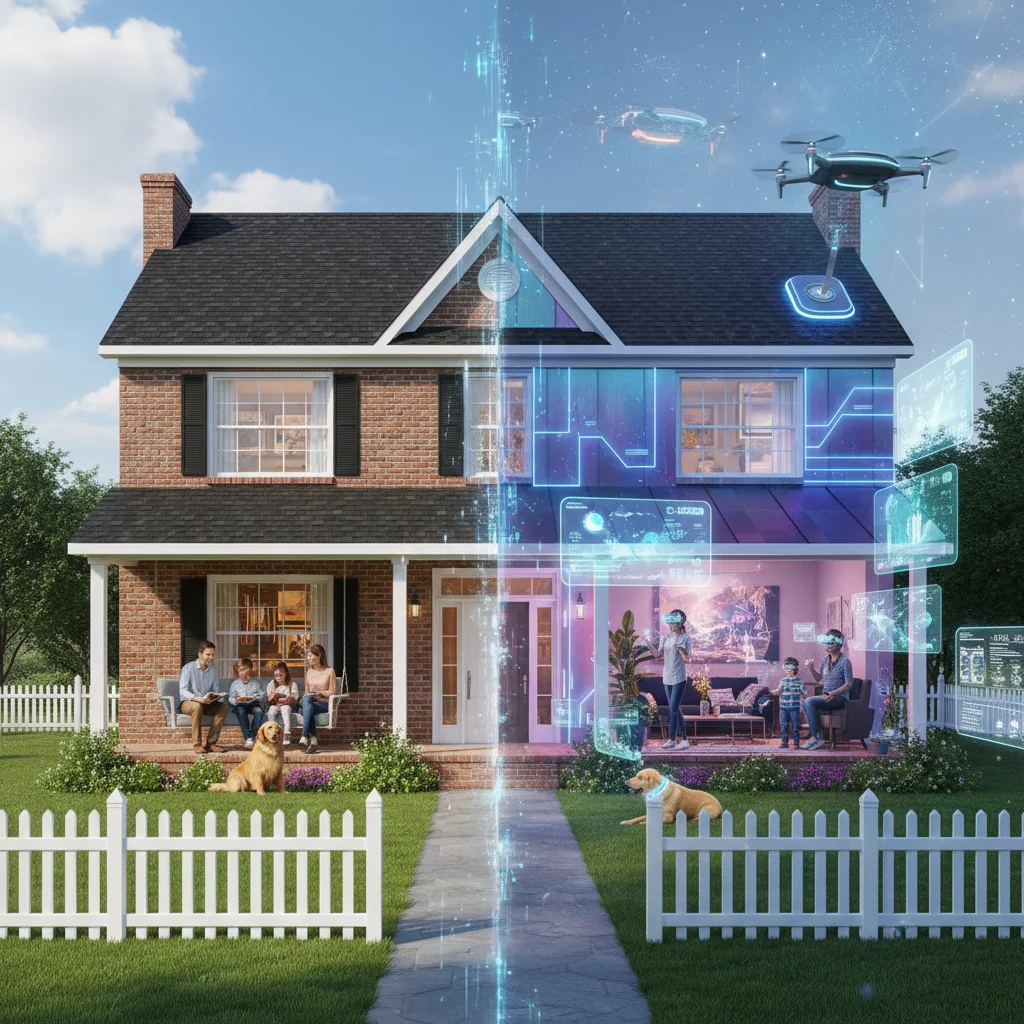
To truly understand the metaverse cultural impact, it’s helpful to compare its current state with expert projections for 2026. While today the metaverse might still feel like a novelty or a niche interest for many, by 2026, it is expected to be a much more integrated and pervasive aspect of American culture.
Daily Life and Routine
Today: For most Americans, metaverse interaction is sporadic, often limited to gaming or occasional virtual events. It’s a separate activity, something you deliberately log into.
2026: The metaverse will begin to seamlessly integrate into daily routines. AR glasses might provide contextual information as you walk down the street, virtual assistants will bridge your physical and digital tasks, and virtual meetings will be as common as video calls, offering more immersive and interactive experiences. Your digital identity will be as important as your physical one, used for a variety of online and even some offline interactions.
Work and Education
Today: Remote work often relies on 2D video conferencing. While some companies experiment with VR meeting spaces, they are not yet widespread.
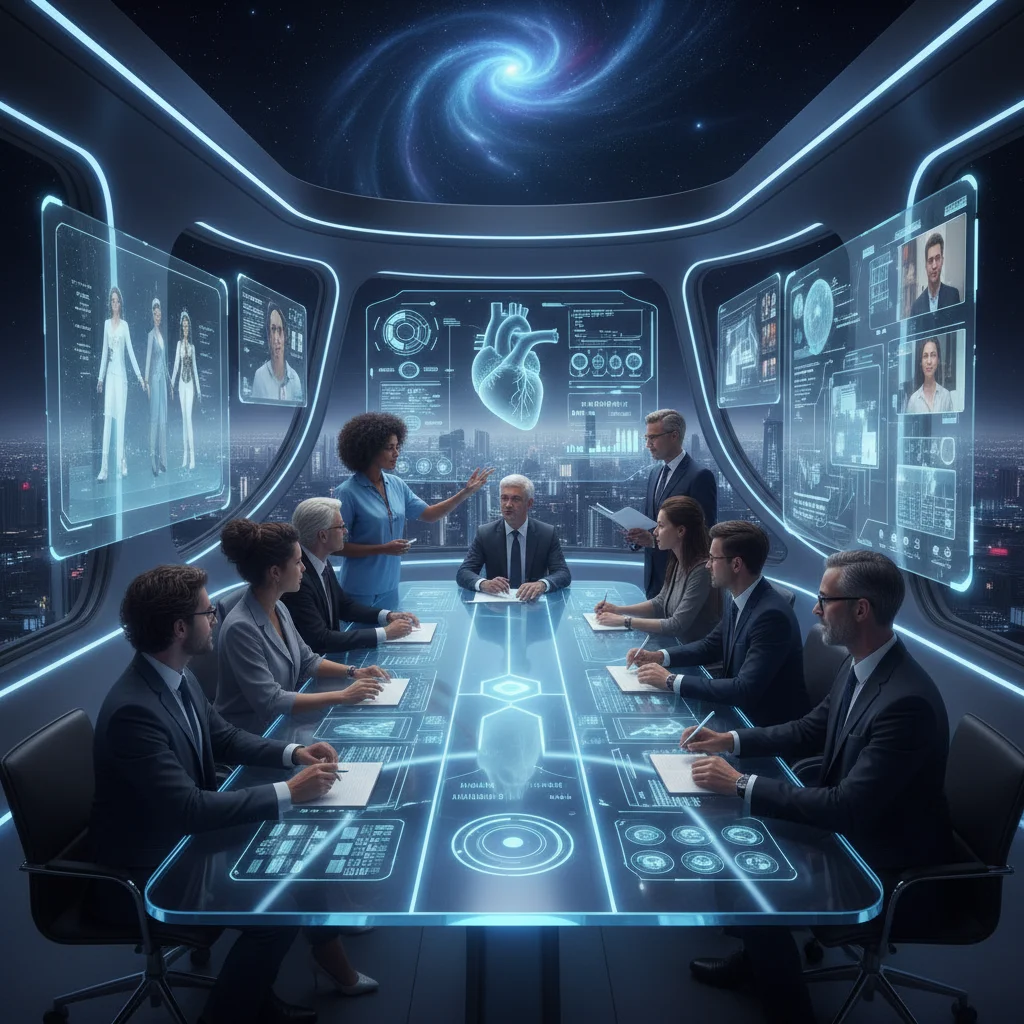
2026: Metaverse-powered collaboration tools will be standard. Immersive virtual offices will allow for more engaging teamwork, facilitating brainstorming sessions with 3D models and interactive whiteboards. Education will see a surge in virtual field trips, hands-on simulations, and personalized learning environments that transcend traditional classroom limitations. This will significantly alter the metaverse cultural impact on professional and academic development.
Entertainment and Media Consumption
Today: Gaming is the primary immersive entertainment. Virtual concerts are a growing trend but still relatively niche.
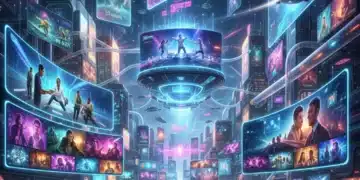
2026: The metaverse will be a dominant platform for entertainment. Imagine attending concerts by your favorite artists as an avatar, experiencing movies in fully immersive 3D environments, or participating in interactive narratives where your choices directly influence the plot. Sports events could offer personalized viewing angles and real-time data overlays. The metaverse cultural impact on how we consume and interact with media will be transformative.
Social Interaction and Identity
Today: Social media is largely 2D profiles and text-based interactions. Online identity is often separate from physical identity.
2026: Social interaction will become more embodied and immersive. Avatars will be highly customizable, representing extensions of our identities, and social gatherings in virtual spaces will feel more akin to physical meetups. The lines between online and offline friendships might blur further, creating new forms of community and belonging. This will have a profound metaverse cultural impact on personal relationships and identity formation.
The Deepening Metaverse Cultural Impact on American Society
The metaverse cultural impact extends far beyond individual experiences, influencing broader societal structures and norms. As this technology matures, several key areas will see significant shifts.
Economic Transformation and New Job Markets
The rise of the metaverse is creating entirely new economic sectors and job opportunities. We’re already seeing demand for metaverse architects, digital fashion designers, NFT artists, virtual event planners, and avatar developers. By 2026, these roles will be more established, and new ones will emerge, leading to a significant reallocation of labor and skills. The metaverse cultural impact on the economy will involve a shift towards digital entrepreneurship and a redefinition of work itself.
Furthermore, the virtual economy built on blockchain and NFTs will continue to grow, offering new avenues for wealth creation and investment. This could lead to both significant opportunities for economic empowerment and potential challenges related to digital asset valuation, regulation, and accessibility.
Redefining Ownership and Value
The concept of ownership is undergoing a fundamental redefinition in the metaverse. Digital assets, once easily copied, now possess verifiable scarcity and ownership thanks to NFTs. This shift challenges traditional notions of value and property, as people invest real money into virtual land, clothing, and art. The metaverse cultural impact here will be a societal reckoning with what constitutes ‘real’ value in an increasingly digital world, influencing legal frameworks and consumer behavior.
Ethical Considerations and Governance
As the metaverse becomes more pervasive, critical ethical questions arise. Issues of privacy, data security, digital ownership rights, freedom of expression, and content moderation will demand robust solutions. Who governs these vast digital spaces? How do we prevent harassment, discrimination, and misinformation in virtual environments? Addressing these challenges will be crucial for ensuring a positive metaverse cultural impact and fostering safe, inclusive digital communities.
Impact on Mental Health and Well-being
The extensive immersion in virtual worlds also raises concerns about mental health. While the metaverse offers new avenues for connection and self-expression, excessive use could lead to digital addiction, social isolation in the physical world, and issues related to body image (avatar dysmorphia). Understanding and mitigating these risks will be a significant part of managing the metaverse cultural impact, requiring a balance between digital engagement and real-world well-being.
Cultural Exchange and Global Connectivity
The metaverse has the potential to foster unprecedented levels of cultural exchange. People from different parts of the world can meet, interact, and share their traditions in ways that transcend geographical and linguistic barriers. This could lead to a more interconnected global culture, but also raises questions about cultural appropriation and the dominance of certain cultural narratives within these platforms. The metaverse cultural impact on global understanding and diversity will be a complex and evolving dynamic.
Challenges and Opportunities for Americans in the Metaverse by 2026
Navigating the metaverse will present both significant challenges and unparalleled opportunities for Americans. Understanding these will be key to harnessing its potential and mitigating its risks.
Accessibility and Digital Divide
One of the primary challenges is ensuring equitable access to the metaverse. High-end VR/AR hardware can be expensive, and reliable high-speed internet is not universally available across the U.S. There’s a risk that the metaverse could exacerbate existing digital divides, creating a new form of inequality where some have access to rich digital experiences and economic opportunities, while others are left behind. Addressing this will be crucial for a truly inclusive metaverse cultural impact.
Interoperability and Standardization
For the metaverse to truly flourish, different platforms and virtual worlds need to be able to communicate and interact seamlessly. This interoperability, allowing users to carry their avatars, digital assets, and identities across various experiences, is still a work in progress. Lack of standardization could lead to a fragmented metaverse, limiting its overall potential and the unified metaverse cultural impact.
Security and Trust
With more of our lives moving into digital spaces, security becomes paramount. Protecting personal data, preventing fraud, and ensuring the integrity of digital transactions are complex challenges. Building trust in metaverse platforms and technologies will be essential for widespread adoption and a positive metaverse cultural impact.
New Forms of Artistic Expression and Creativity
The metaverse offers artists, creators, and storytellers unprecedented tools for expression. From immersive art installations and interactive theatrical performances to new forms of music and fashion, the creative possibilities are endless. This will foster a renaissance in digital arts and significantly contribute to the metaverse cultural impact, providing new avenues for self-expression and cultural enrichment.
Enhanced Learning and Skill Development
Beyond formal education, the metaverse can provide powerful platforms for skill development and training. Immersive simulations can prepare workers for complex tasks in fields like healthcare, engineering, and manufacturing, offering hands-on experience without real-world risks. This will have a profound metaverse cultural impact on workforce development and lifelong learning.
Preparing for the Metaverse Cultural Impact: Recommendations for Americans
As 2026 approaches, individuals, businesses, and policymakers in America can take proactive steps to prepare for and shape the metaverse cultural impact.
For Individuals
- Educate Yourself: Stay informed about metaverse developments, technologies, and potential impacts. Understand the basics of digital ownership, cryptocurrencies, and online safety.
- Experiment Responsibly: Explore existing metaverse platforms and experiences, but be mindful of screen time and privacy settings.
- Develop Digital Literacy: Enhance your skills in navigating virtual environments, managing digital identities, and discerning credible information in immersive spaces.
- Consider Digital Identity: Think about how you want to represent yourself in virtual worlds and the implications of persistent digital personas.
For Businesses
- Strategize Your Metaverse Presence: Businesses should explore how the metaverse can enhance their brand, engage customers, and create new revenue streams. This could involve virtual storefronts, NFT collections, or immersive marketing campaigns.
- Invest in Digital Talent: Develop or acquire skills in 3D design, blockchain, AI, and immersive experience creation.
- Prioritize Ethical Design: Build metaverse experiences that are inclusive, secure, and respectful of user privacy.
- Explore New Business Models: The metaverse offers opportunities for subscription services, digital asset sales, and new forms of advertising.
For Policymakers and Educators
- Develop Regulatory Frameworks: Address issues of digital ownership, data privacy, consumer protection, and intellectual property in the metaverse.
- Promote Digital Inclusion: Invest in broadband infrastructure and affordable hardware to ensure equitable access to metaverse opportunities.
- Integrate Metaverse Concepts into Education: Prepare the next generation for a metaverse-enabled future by incorporating digital literacy, VR/AR skills, and ethical considerations into curricula.
- Foster Research and Development: Support innovation while also studying the societal implications of widespread metaverse adoption.
Conclusion: Embracing the Future of American Culture
The metaverse is not a fleeting trend but a fundamental evolution of the internet, poised to exert a profound metaverse cultural impact on American society by 2026. From transforming our daily routines and work environments to reshaping entertainment, social interaction, and economic models, its influence will be pervasive and undeniable. While challenges related to accessibility, ethics, and mental health must be proactively addressed, the opportunities for innovation, creativity, and global connection are immense.
As Americans, our engagement with the metaverse will define its trajectory. By staying informed, adapting to new technologies, and advocating for inclusive and ethical development, we can collectively shape a digital future that enriches our lives and strengthens our communities. The journey into the metaverse is just beginning, and understanding its cultural footprint is the first step towards navigating this exciting new frontier. The metaverse cultural impact will be a story written by all of us, in real-time, across both physical and digital realms.