Creator Economy 2026: Cultural Insights for US Influencers

The digital landscape is a constantly shifting canvas, and nowhere is this more evident than within the creator economy. What began as a niche pursuit for a few tech-savvy individuals has blossomed into a multi-billion dollar industry, fundamentally reshaping how we consume information, entertainment, and even commerce. As we hurtle towards 2026, the pace of change shows no signs of slowing down. For aspiring influencers in the US, understanding the underlying cultural currents that drive this evolution is not just beneficial – it’s absolutely critical for survival and success.
The term ‘creator economy’ itself has evolved. It no longer just refers to individuals making YouTube videos; it encompasses podcasters, streamers, bloggers, artists, educators, and anyone who builds an audience around their unique content and monetizes their passion. This dynamic ecosystem is influenced by technological advancements, shifting consumer behaviors, and broader societal values. Ignoring these cultural insights is akin to sailing without a compass in an increasingly turbulent sea. This comprehensive guide aims to equip you with the knowledge to navigate the future of the creator economy, highlighting five pivotal cultural insights that will define success for US influencers in 2026 and beyond.
From the relentless pursuit of authenticity to the rise of hyper-niche communities and the blurring lines between entertainment and education, these trends are not merely passing fads. They represent fundamental shifts in how audiences connect with creators and what they expect from their digital interactions. By internalizing these insights, you can strategically position your content, refine your engagement tactics, and ultimately build a more resilient and impactful presence in the ever-expanding creator economy.
The Unyielding Demand for Authenticity and Relatability
In an age saturated with perfectly curated feeds and aspirational lifestyles, the pendulum is swinging decisively towards authenticity. Audiences, particularly younger demographics, are increasingly wary of overtly commercialized content and polished personas. They crave genuine human connection, unfiltered perspectives, and creators who are unafraid to show their true selves, including their vulnerabilities and imperfections. This unyielding demand for authenticity is a cornerstone of the evolving creator economy insights.
Beyond Perfection: Embracing Vulnerability
For aspiring influencers, this means moving beyond the illusion of a flawless life. It’s about sharing the struggles, the learning curves, and the behind-the-scenes realities that make you relatable. Audiences want to see themselves reflected in the creators they follow. They want to know that even their favorite personalities face challenges, make mistakes, and have bad days. This vulnerability fosters a deeper, more meaningful connection, building trust that is far more valuable than any fleeting trend.
Examples abound: creators who openly discuss their mental health journeys, share their financial ups and downs, or document the messy process of creating their art often resonate more profoundly than those who present a perpetually perfect facade. This isn’t about oversharing for the sake of it; it’s about strategic vulnerability that strengthens bonds and builds a loyal community. It’s about understanding that the human experience, in all its complexity, is the most powerful content you can offer.
Relatability as the New Currency
Relatability translates into content that speaks directly to an audience’s experiences, desires, and pain points. This could be a creator sharing budgeting tips that genuinely work for everyday people, a gamer showcasing their struggles with a difficult level, or a chef demonstrating how to make a gourmet meal with accessible ingredients. When audiences feel understood and seen, their engagement skyrockets. This is a crucial element for anyone trying to gain traction in the creator economy.
Furthermore, relatability often involves a departure from traditional celebrity culture. Influencers are no longer seen as distant idols but as trusted friends or experts. This shift requires creators to actively engage with their audience, respond to comments, and incorporate feedback, fostering a sense of co-creation rather than one-way communication. The future of the creator economy insights hinges on this deep, authentic connection.
The Rise of Hyper-Niche Communities and Micro-Influencers
The days of chasing mass appeal are gradually giving way to the power of specificity. While macro-influencers still hold sway, the real growth and engagement in the creator economy are increasingly found within hyper-niche communities. These are tightly knit groups of individuals united by a very specific interest, hobby, or passion. Within these niches, micro-influencers and nano-influencers are becoming incredibly powerful.
Why Niche is the New Big
The internet has made it possible for even the most obscure interests to find a dedicated audience. From specialized crafting techniques and historical reenactment groups to specific coding languages and rare plant collectors, there’s a community for everything. For creators, this presents an enormous opportunity. Instead of competing for broad attention, you can become the go-to expert or trusted voice within a highly engaged, dedicated group.
The advantages are clear: higher engagement rates, more direct and meaningful interactions, and a greater capacity for building a truly loyal following. Brands are also recognizing the immense value of these micro-communities, as their members are often highly motivated, purchase-ready, and trust the recommendations of their niche leaders more than traditional celebrities. These are vital creator economy insights for strategic growth.
The Power of Micro and Nano Influencers
Micro-influencers (typically 10,000-100,000 followers) and nano-influencers (under 10,000 followers) might have smaller follower counts, but their impact within their niche is often disproportionately large. Their audiences perceive them as more authentic and accessible, leading to significantly higher engagement rates and conversion potential. They are seen as peers, not distant figures, which aligns perfectly with the demand for authenticity discussed earlier.
For aspiring influencers, this means you don’t need millions of followers to make a significant impact or build a sustainable income. Focusing on a specific niche where you have genuine expertise and passion allows you to cultivate a highly engaged audience, even if it’s smaller in number. This approach fosters a stronger sense of community and provides a solid foundation for long-term growth in the creator economy.
The Blurring Lines Between Entertainment, Education, and E-commerce
The traditional boundaries between different forms of content are rapidly dissolving. Audiences no longer just want to be entertained; they want to learn, grow, and often, shop, all within the same seamless digital experience. This convergence is a defining characteristic of the modern creator economy and offers exciting new avenues for monetization and audience engagement.
Edutainment: Learning Made Engaging
The rise of ‘edutainment’ is a testament to this trend. Creators are finding innovative ways to deliver educational content that is as engaging and entertaining as pure entertainment. Think about complex scientific concepts explained through catchy songs, historical events brought to life with compelling storytelling, or practical skills taught through interactive tutorials. This makes learning accessible, enjoyable, and digestible for a wide audience.
For influencers, this presents an opportunity to position themselves not just as entertainers but as valuable sources of information and knowledge. Whether it’s teaching a new language, explaining personal finance, or demonstrating a cooking technique, integrating educational elements into your content adds immense value and broadens your appeal. This is a key area of expansion for the creator economy insights.
Social Commerce and Live Shopping
The integration of e-commerce directly into social media platforms and live streams is transforming how consumers discover and purchase products. Live shopping events, where creators demonstrate products, answer questions in real-time, and offer exclusive deals, are becoming incredibly popular. This combines the immediacy of live broadcast with the convenience of online shopping, creating an immersive and interactive retail experience.
Influencers are at the forefront of this movement. They can seamlessly transition from reviewing a product to offering a direct purchase link, often earning a commission. This natural integration of commerce into content feels less like an advertisement and more like a trusted recommendation from a friend. Understanding and leveraging social commerce tools will be essential for maximizing revenue in the future creator economy.
The Democratization of Content Creation Tools and Platforms
One of the most significant forces driving the growth of the creator economy is the ever-increasing accessibility of high-quality content creation tools and diverse distribution platforms. What once required expensive equipment and specialized skills can now be achieved with a smartphone and a few intuitive apps. This democratization has lowered the barrier to entry, empowering more individuals to become creators.
Affordable Tech, Professional Results
Modern smartphones boast cameras capable of shooting 4K video, and a plethora of mobile editing apps offer professional-grade features at little to no cost. Audio recording equipment has become more affordable and user-friendly. AI-powered tools are emerging to assist with everything from scriptwriting and video editing to graphic design and content optimization. This means that aspiring creators no longer need significant upfront investment to produce high-quality content.
This accessibility fuels innovation and diversity within the creator economy. It allows voices from all backgrounds and socioeconomic statuses to enter the space, enriching the content landscape and offering audiences a broader range of perspectives. Staying abreast of these technological advancements and embracing new tools will be a key creator economy insights for maintaining a competitive edge.
Platform Proliferation and Niche Distribution
Beyond the tools, the sheer number of platforms available for content distribution has exploded. While giants like YouTube, Instagram, and TikTok remain dominant, there’s a growing ecosystem of niche platforms catering to specific content types or communities. Think of platforms dedicated to long-form audio, short-form educational videos, or interactive live streams for gaming.
This proliferation means creators have more choices for where to host and distribute their content, allowing them to tailor their presence to the platform that best suits their content style and target audience. It also encourages multi-platform strategies, where creators repurpose and adapt content for different channels to maximize reach and engagement. Navigating this diverse platform landscape is a critical aspect of success in the future creator economy.
The Growing Importance of Data Privacy and Ethical AI
As the creator economy matures, so too does the public’s awareness and concern about data privacy and the ethical implications of artificial intelligence. Influencers and platforms alike will face increasing scrutiny regarding how they collect, use, and protect user data, as well as how AI is integrated into content creation and audience interaction. These are vital creator economy insights that cannot be overlooked.
Navigating the Privacy Landscape
Consumers are becoming more proactive about controlling their personal data. Regulations like GDPR and CCPA are setting global precedents, and platforms are responding with more transparent privacy policies and user controls. For influencers, this means being acutely aware of the data they collect (even indirectly through analytics), how it’s used, and ensuring they are compliant with relevant regulations and ethical guidelines.
Transparency with your audience about data practices will build trust. Creators who prioritize and clearly communicate their commitment to data privacy will stand out. This extends to how they engage with brand partnerships, ensuring that their collaborations align with ethical data practices. A breach of trust in this area can severely damage a creator’s reputation and standing within their community.
Ethical AI and Content Creation
Artificial intelligence is rapidly becoming an indispensable tool for content creators, assisting with everything from content generation and optimization to audience analysis and scheduling. However, the ethical implications of AI are a growing concern. Questions around AI-generated content’s authenticity, potential for bias, and impact on human creativity are becoming more prominent.
Influencers must approach AI tools with a critical and ethical mindset. Disclosing when AI has been used to generate significant portions of content, ensuring AI-generated elements are factually accurate and unbiased, and using AI to augment rather than replace human creativity will be crucial. The responsible integration of AI will differentiate forward-thinking creators and contribute to a more trustworthy creator economy. Maintaining a human touch and ensuring that AI serves as an enhancement, not a substitute, for genuine connection will be paramount.
Strategies for Aspiring Influencers in 2026
Given these profound cultural shifts, what practical steps can aspiring influencers take to thrive in the creator economy of 2026? The insights outlined above are not just observations; they are actionable directives for building a sustainable and impactful presence.
1. Cultivate Your Unique Voice and Niche
Do not try to be everything to everyone. Identify your unique passion, expertise, or perspective, and double down on it. What makes you different? What specific problem can you solve or what unique joy can you bring to a particular audience? Research existing niches, identify gaps, and carve out your own space. This focus will naturally attract a highly engaged community that resonates with your specific content.
2. Prioritize Authentic Engagement Over Follower Count
Shift your metric of success from raw follower numbers to genuine engagement. Focus on building real relationships with your audience. Respond to comments, ask questions, run polls, and create opportunities for two-way communication. Live streams, Q&A sessions, and direct messages are powerful tools for fostering this connection. Remember, a smaller, highly engaged audience is far more valuable than a large, passive one.
3. Diversify Your Content and Revenue Streams
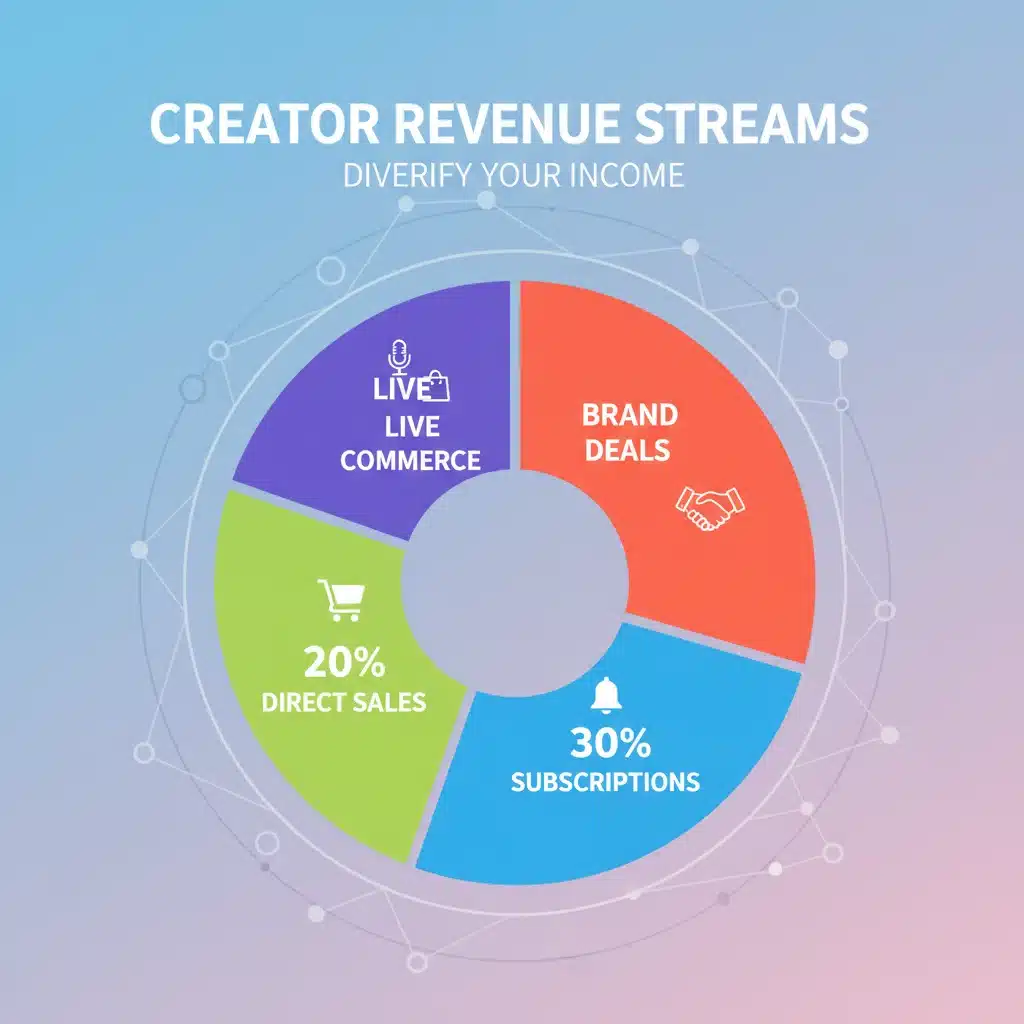
Don’t put all your eggs in one basket. Explore different content formats (video, audio, written, interactive) and adapt them for various platforms. Similarly, look beyond traditional brand deals for monetization. Consider subscriptions (Patreon, Substack), digital products (e-books, courses), merchandise, affiliate marketing, and direct sales through social commerce. A diversified approach provides stability and resilience in a dynamic market.
4. Embrace Lifelong Learning and Adaptability
The creator economy is in a constant state of flux. New platforms emerge, algorithms change, and audience preferences evolve. Successful influencers are lifelong learners who are curious, adaptable, and willing to experiment. Stay informed about industry trends, learn new tools, and be prepared to pivot your content strategy when necessary. This agility is a superpower in the digital age.
5. Build a Brand Rooted in Trust and Ethics
In an increasingly crowded and sometimes cynical digital space, trust is your most valuable asset. Be transparent about sponsored content, protect your audience’s privacy, and use AI tools responsibly. Stand for something, articulate your values, and let them guide your content and collaborations. An ethical and trustworthy brand not only attracts a loyal audience but also appeals to reputable brands seeking long-term partnerships. These are foundational creator economy insights for enduring success.
Conclusion
The creator economy of 2026 will be a sophisticated, nuanced, and incredibly rewarding landscape for those who understand its cultural underpinnings. The unyielding demand for authenticity, the power of hyper-niche communities, the blending of entertainment, education, and e-commerce, the democratization of creation tools, and the paramount importance of data privacy and ethical AI are not just trends – they are the new pillars of success. For aspiring influencers in the US, internalizing these creator economy insights is not an option but a necessity. By focusing on genuine connection, strategic niche development, diversified content and revenue, continuous learning, and an unwavering commitment to trust and ethics, you can not only navigate this exciting future but also shape it, building a thriving and impactful presence in the digital world.