Future of Food: 3 Plant-Based Trends Shaping US Market by 2026

The Future of Food Culture: 3 Plant-Based Trends and Their US Market Impact by 2026
The global food landscape is undergoing a monumental shift, driven by increasing consumer awareness, technological advancements, and a collective desire for more sustainable and ethical food systems. At the forefront of this transformation are plant-based food trends, which are not just fleeting fads but fundamental changes reshaping our culinary culture. By 2026, the United States market is poised to be significantly impacted by several key developments within the plant-based sector. This article delves deep into three pivotal plant-based food trends that will define the future of food, exploring their nuances, market implications, and what they mean for consumers, producers, and the planet.
The rise of plant-based eating is more than a dietary choice; it’s a movement reflecting broader societal values. Concerns about environmental sustainability, animal welfare, and personal health are converging to create an unprecedented demand for plant-derived alternatives to traditional animal products. This isn’t just about vegans or vegetarians anymore; a significant portion of the population identifies as ‘flexitarian’ or ‘reducetarian,’ actively seeking to reduce their meat and dairy consumption without fully eliminating them. This demographic shift is a powerful engine propelling innovation and investment in the plant-based industry.
Understanding these emerging plant-based food trends is crucial for anyone looking to navigate the evolving food market. From ingredient sourcing to product development and consumer engagement, the strategies employed by businesses today will determine their success in the coming years. We will examine how these trends are fostering new product categories, influencing supply chains, and ultimately changing the way Americans eat and think about food. The next few years promise to be a period of dynamic growth and exciting innovation in the plant-based space.
Trend 1: The Ascent of Novel Plant-Based Proteins and Next-Generation Meat Alternatives
The first major trend revolutionizing the US food market is the rapid advancement and diversification of novel plant-based proteins and next-generation meat alternatives. While soy and wheat have long been staples in this category, the industry is now exploring a much broader spectrum of ingredients and technologies to create products that mimic the taste, texture, and nutritional profile of conventional meat and dairy with unprecedented accuracy. This focus on sensory experience and nutritional completeness is key to attracting and retaining mainstream consumers.
Beyond Soy: Exploring New Protein Sources
The reliance on soy as the primary protein source for plant-based products is gradually diminishing as new, more sustainable, and often allergen-friendly alternatives emerge. Pea protein has already gained significant traction, especially in meat alternatives and protein supplements, due to its neutral flavor and good amino acid profile. However, the innovation doesn’t stop there. We are seeing a surge in interest and investment in proteins derived from:
- Fungi (Mycoprotein): Brands like Quorn have utilized mycoprotein for decades, but new fermentation technologies are making it even more versatile and cost-effective. Mycoprotein offers a fibrous texture akin to meat and is highly sustainable.
- Algae: Microalgae and macroalgae are rich in protein, vitamins, and minerals. They are being developed into powders, oils, and even whole-food ingredients for a variety of applications, from supplements to meat and dairy alternatives.
- Legumes (Lentils, Chickpeas, Mung Beans): Beyond peas, other legumes are being processed into highly functional protein isolates and concentrates, providing diverse flavor profiles and textures for different product types.
- Grains (Oats, Rice): While not as protein-dense as legumes, specialized processing can extract valuable proteins from grains, often used in conjunction with other sources to create balanced nutritional profiles.
- Potato Protein: A relatively new entrant, potato protein offers excellent functional properties, especially for dairy alternatives, due to its ability to emulsify and create creamy textures.
Precision Fermentation and Cultured Meat Technology for Plant-Based Applications
Perhaps the most exciting development in this trend is the application of advanced biotechnology, specifically precision fermentation and, in some cases, principles from cultured meat research, to plant-based products. Precision fermentation involves using microorganisms (like yeast or fungi) as ‘cell factories’ to produce specific ingredients, such as proteins, fats, or flavor compounds, that are identical to those found in animal products. This allows for the creation of ‘animal-free’ dairy proteins (casein, whey) that are chemically identical to their animal counterparts, enabling the production of truly indistinguishable plant-based cheeses, yogurts, and ice creams.
This technology bypasses the need for animals entirely, offering a highly sustainable and efficient way to produce functional ingredients. By 2026, we can expect to see a significant increase in products utilizing precision fermentation-derived ingredients, particularly in the dairy and egg alternative sectors, driving the realism and market acceptance of these alternatives to new heights.

The Evolution of Plant-Based Meat Textures and Flavors
Early plant-based meat alternatives often struggled with texture and mouthfeel. However, ongoing research and development in food science have led to remarkable improvements. Techniques like high-moisture extrusion are creating fibrous textures that closely mimic whole muscle meat. Furthermore, advancements in flavor science are allowing manufacturers to replicate the complex umami notes and ‘bloody’ characteristics associated with meat, making these products more appealing to omnivores.
The market will see an expansion beyond ground beef and burgers to include more sophisticated cuts like plant-based steaks, chicken breasts, and even seafood. This diversification, coupled with improved sensory attributes, will be crucial for these products to move from niche items to mainstream grocery staples, significantly impacting the traditional meat industry in the US.
Trend 2: Hyper-Personalized Plant-Based Nutrition and Functional Foods
The second dominant plant-based food trend is the movement towards hyper-personalized nutrition and functional plant-based foods. Consumers are increasingly seeking food not just for sustenance but for specific health benefits, tailored to their individual needs and preferences. Plant-based diets are already perceived as inherently healthier, and this trend amplifies that perception by integrating advanced nutritional science and consumer data.
Tailoring Plant-Based Diets to Individual Needs
The ‘one-size-fits-all’ approach to diet is becoming obsolete. Advances in nutrigenomics, gut microbiome research, and wearable technology are enabling a more precise understanding of individual nutritional requirements. Plant-based brands are capitalizing on this by offering:
- Personalized Meal Plans and Services: Subscription boxes and meal delivery services are offering customizable plant-based options based on dietary restrictions, health goals (e.g., weight management, muscle gain, improved gut health), and even genetic predispositions.
- Nutrient-Dense Formulations: Products are being fortified with specific vitamins (B12, D), minerals (iron, zinc), and omega-3 fatty acids, which can sometimes be lower in poorly planned plant-based diets. This ensures that plant-based options are not just alternatives but superior nutritional choices.
- Allergen-Friendly Innovations: With an increasing prevalence of food allergies and sensitivities, plant-based products are being developed to be free from common allergens like nuts, gluten, and soy, expanding their accessibility and market reach.
The Rise of Functional Plant-Based Ingredients
Functional foods are those that provide health benefits beyond basic nutrition. The plant-based sector is a natural fit for this trend, as many plant ingredients are inherently rich in beneficial compounds. By 2026, expect to see a proliferation of plant-based products incorporating:
- Adaptogens: Ingredients like ashwagandha, reishi mushrooms, and rhodiola are being added to plant-based beverages, snacks, and supplements to help the body adapt to stress and promote overall well-being.
- Nootropics: Plant-derived compounds like lion’s mane mushroom, bacopa monnieri, and ginkgo biloba are being integrated into products aimed at enhancing cognitive function, focus, and memory.
- Prebiotics and Probiotics: To support gut health, plant-based yogurts, kefirs, and fermented foods are increasingly incorporating diverse probiotic strains and prebiotic fibers to foster a healthy microbiome.
- Antioxidants and Anti-inflammatories: Superfoods like berries, turmeric, spirulina, and chlorella are being used to boost the antioxidant and anti-inflammatory properties of plant-based meals and snacks.
This focus on functional benefits transforms plant-based foods from mere substitutes into proactive tools for health management. Consumers are willing to pay a premium for products that offer tangible health advantages, driving significant growth in this segment of the plant-based food trends market.
Trend 3: Sustainability, Transparency, and Ethical Sourcing in Plant-Based Supply Chains
The third crucial plant-based food trend is the intensifying demand for sustainability, transparency, and ethical sourcing throughout the entire plant-based supply chain. Consumers choosing plant-based options are often motivated by environmental and ethical concerns, and they expect the brands they support to uphold these values. By 2026, companies that fail to demonstrate genuine commitment to these principles will likely lose market share.
From Farm to Fork: Sustainable Sourcing Practices
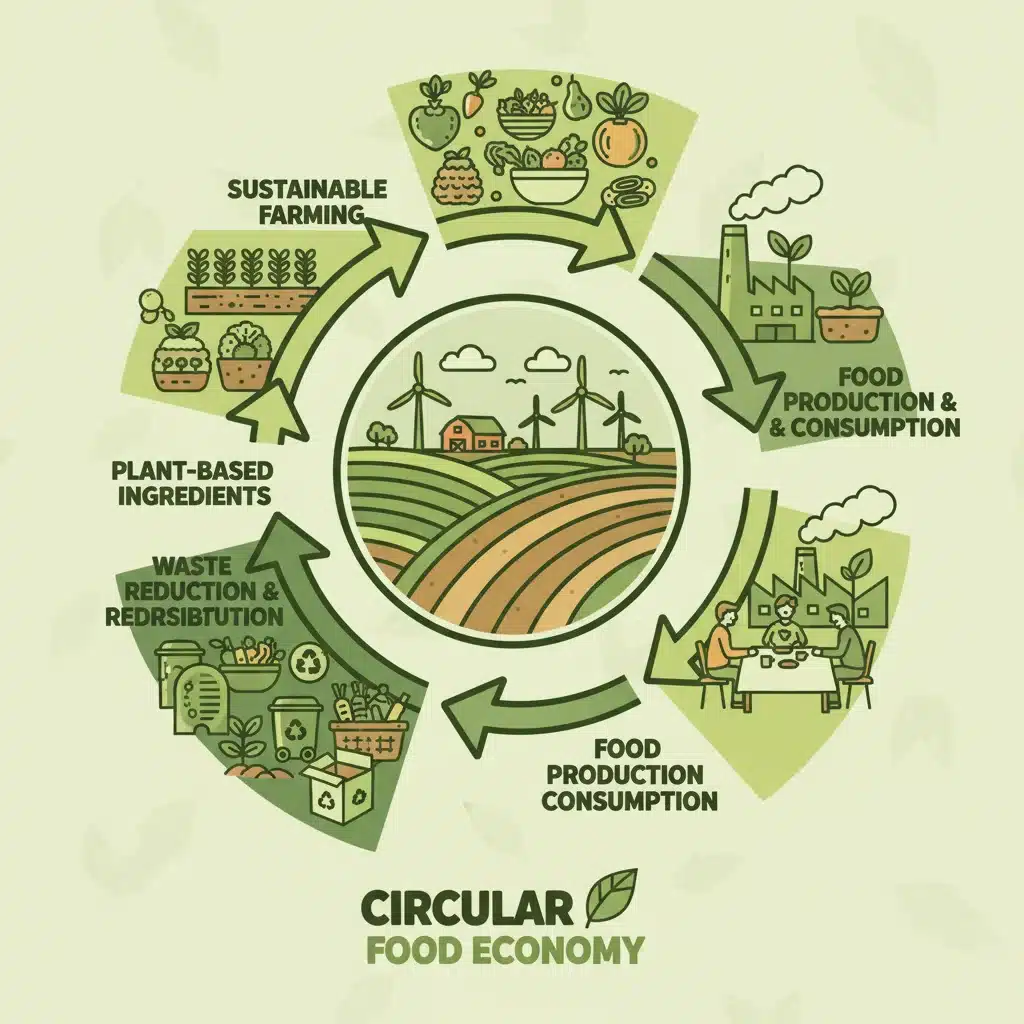
- Regenerative Agriculture: Sourcing ingredients from farms that practice regenerative agriculture, which focuses on soil health, biodiversity, and carbon sequestration, is becoming a significant differentiator. This goes beyond organic to actively improve ecological systems.
- Reduced Water Usage: Developing ingredients and production processes that require significantly less water than traditional agriculture or animal husbandry. This includes exploring drought-resistant crops and efficient processing methods.
- Minimized Land Use: Utilizing ingredients that are grown efficiently on less land, such as vertically farmed greens or protein sources like algae and fungi that can be produced in bioreactors.
- Local and Seasonal Sourcing: Whenever possible, sourcing ingredients locally to reduce transportation emissions and support regional economies.
Transparency and Traceability
Consumers want to know where their food comes from, how it’s produced, and its environmental and social impact. Brands are responding by:
- Clear Labeling: Providing detailed information on packaging about ingredient origins, processing methods, and nutritional content.
- Blockchain Technology: Utilizing blockchain to create immutable records of the supply chain, allowing consumers to trace ingredients back to their source with a high degree of confidence.
- Impact Reporting: Publishing annual sustainability reports that detail their environmental footprint, ethical labor practices, and community engagement.
- Certifications: Obtaining third-party certifications for organic, fair trade, non-GMO, and other ethical standards to build trust and credibility.
Ethical Labor and Social Impact
Beyond environmental concerns, ethical considerations extend to the people involved in the food supply chain. Plant-based companies are increasingly focusing on:
- Fair Labor Practices: Ensuring fair wages, safe working conditions, and respect for human rights throughout their operations and those of their suppliers.
- Community Engagement: Investing in the communities where their ingredients are sourced or where their products are manufactured.
- Animal Welfare (Indirectly): While plant-based products inherently avoid animal cruelty, the ethical considerations extend to ensuring that the production of plant ingredients does not negatively impact local wildlife or ecosystems.
By 2026, a strong narrative around sustainability and ethics will be non-negotiable for success in the plant-based market. Brands that authentically integrate these values into their core business model will resonate deeply with the target consumer base and drive continued growth for these plant-based food trends.
Market Impact and Future Outlook for Plant-Based Food Trends in the US by 2026
The convergence of these three plant-based food trends – novel proteins, personalized nutrition, and sustainability – is set to dramatically reshape the US food market by 2026. The plant-based sector, already experiencing exponential growth, will continue its upward trajectory, challenging established industries and creating new opportunities.
Economic Implications
- Increased Investment: Venture capital and private equity will continue to pour into plant-based startups, particularly those leveraging advanced food technology like precision fermentation and cellular agriculture for plant-based ingredients.
- Market Share Shift: Traditional meat and dairy companies will increasingly invest in or acquire plant-based brands, or launch their own lines of plant-based products to remain competitive. This indicates a recognition of the long-term viability of plant-based alternatives.
- Job Creation: The growth of the plant-based industry will create new jobs in food science, manufacturing, marketing, and distribution, contributing to economic development.
- Supply Chain Transformation: Agricultural practices will adapt to meet the demand for diverse plant proteins, potentially leading to shifts in crop cultivation and farming models.
Consumer Behavior Changes
- Mainstream Acceptance: Plant-based products will become even more ubiquitous in grocery stores, restaurants, and institutional food services. The stigma once associated with ‘vegan’ food will largely dissipate as quality and variety improve.
- Health-Conscious Choices: Consumers will become more discerning, looking beyond just ‘plant-based’ to understand the nutritional benefits, ingredient sourcing, and environmental impact of their food choices.
- Culinary Innovation: Chefs and home cooks will continue to experiment with plant-based ingredients, leading to a richer and more diverse culinary scene that celebrates plant-forward cooking.
Challenges and Opportunities
Despite the optimistic outlook, challenges remain. Scaling production of novel proteins, educating consumers about new ingredients, and ensuring affordability across all income brackets will be critical. Regulatory frameworks will also need to evolve to keep pace with rapid innovation in areas like precision fermentation.
However, the opportunities far outweigh the challenges. The ability to feed a growing global population sustainably, reduce the environmental impact of food production, and improve public health through nutritious plant-based options presents a compelling vision for the future. The US market, with its strong consumer base and innovative spirit, is uniquely positioned to lead this transformation.
Conclusion: A Plant-Forward Future is Here
By 2026, the influence of these three major plant-based food trends will be undeniable across the US food landscape. The innovation in novel protein sources and next-generation meat alternatives will make plant-based options indistinguishable from, and often superior to, their animal-based counterparts. The emphasis on hyper-personalized nutrition and functional foods will empower consumers to make informed choices that directly impact their health and well-being. And critically, the unwavering demand for sustainability, transparency, and ethical sourcing will hold brands accountable, driving systemic change throughout the food industry.
For businesses, understanding and actively participating in these trends is not just about staying competitive; it’s about contributing to a more resilient, ethical, and delicious food future. For consumers, it means an ever-expanding array of choices that align with their values and health goals. The plant-based revolution is not just coming; it’s already here, and its impact will only deepen in the years leading up to 2026 and beyond. Prepare for a future where plants take center stage, transforming our plates and our planet for the better.