Food Culture in America: 5 Culinary Innovations Shaping Diets by 2026 (RECENT UPDATES, COMPARISON/ANALYSIS)
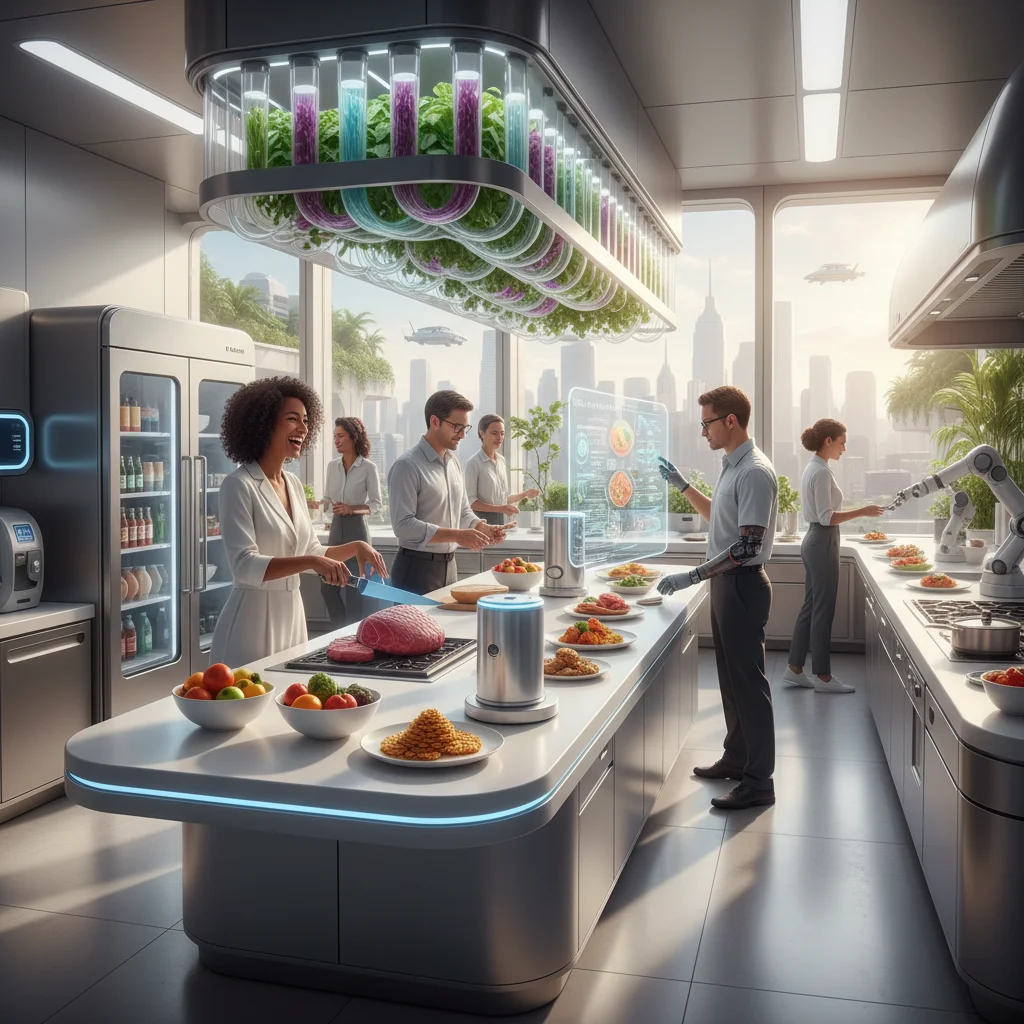
The landscape of American food culture is in a perpetual state of flux, constantly evolving under the influence of technological advancements, shifting consumer values, and a globalized palate. As we approach 2026, the pace of change is accelerating, bringing forth a wave of American Food Innovations that are not merely trends but fundamental shifts in how we produce, consume, and perceive food. These culinary innovations are reshaping diets, challenging traditional food systems, and offering exciting new possibilities for health, sustainability, and gastronomic pleasure.
Understanding these transformations is crucial for anyone interested in the future of food, from industry professionals to the everyday consumer. This comprehensive analysis will delve into five pivotal American Food Innovations that are poised to make the most significant impact on diets by 2026. We will explore the recent updates in each area, compare their potential benefits and challenges, and provide an in-depth analysis of their implications for the broader American food culture.
The Shifting Palate: Why American Food Culture is Evolving
Before diving into the specific innovations, it’s essential to grasp the underlying forces driving this evolution in American Food Innovations. Consumers are increasingly health-conscious, seeking foods that not only taste good but also offer nutritional benefits and align with ethical considerations. Sustainability has moved from a niche concern to a mainstream demand, with a growing awareness of food’s environmental footprint. Furthermore, technological leaps in areas like biotechnology, artificial intelligence, and supply chain management are creating unprecedented opportunities for new food products and production methods.
The pandemic also played a significant role, accelerating trends like online grocery shopping, home cooking, and a renewed focus on local food systems. These factors collectively create a fertile ground for American Food Innovations to flourish, pushing the boundaries of what’s possible and redefining our relationship with food.
1. The Rise of Advanced Plant-Based Proteins: Beyond the Burger
One of the most impactful American Food Innovations is the rapid advancement and diversification of plant-based proteins. What started with veggie burgers has blossomed into an entire ecosystem of meat, dairy, and egg alternatives that are increasingly indistinguishable from their animal-derived counterparts in taste, texture, and nutritional value.
Recent Updates and Breakthroughs:
- Whole-Cut Alternatives: While ground plant-based meats gained early traction, the focus has now shifted to creating whole-cut alternatives like plant-based steaks, chicken breasts, and fish fillets. Companies are utilizing advanced extrusion techniques, 3D printing, and novel protein sources (e.g., fungi, algae, fava beans) to achieve fibrous textures and complex flavors that truly mimic animal muscle.
- Fermentation-Derived Proteins: Precision fermentation is a game-changer. This technology uses microorganisms to produce specific proteins, fats, and other molecules found in animal products, without the animals themselves. Examples include animal-free dairy proteins for milk, cheese, and ice cream, and heme proteins that give plant-based burgers their ‘bloody’ appearance and savory taste.
- Hybrid Products: A growing trend involves hybrid products that combine plant-based ingredients with a smaller percentage of animal-derived components, often as a transitional step for consumers or to achieve specific sensory profiles.
- Nutritional Fortification: Manufacturers are increasingly fortifying plant-based products with essential nutrients often found in animal products, such as Vitamin B12, iron, and omega-3 fatty acids, addressing previous nutritional concerns.
Comparison and Analysis:
The impact of advanced plant-based proteins on American diets is profound. For consumers, it offers an ethical and environmentally friendly alternative without sacrificing taste or culinary experience. For the food industry, it represents a massive growth opportunity, attracting significant investment and fostering intense competition.
Benefits: Reduced environmental footprint (lower greenhouse gas emissions, land use, water consumption), improved animal welfare, potential health benefits (lower saturated fat, cholesterol, higher fiber), and increased food security through diversified protein sources.
Challenges: Consumer acceptance still varies, with some skepticism about ‘ultra-processed’ plant-based products. Cost parity with conventional meat remains a hurdle for some premium alternatives. Furthermore, ingredient sourcing and allergen management are complex considerations.
By 2026, plant-based options will be a standard offering across all food categories, from fast food to fine dining, significantly altering the composition of the average American plate. This isn’t just about vegans and vegetarians; it’s about flexitarians and omnivores seeking more sustainable and diverse dietary choices.

2. Cellular Agriculture: Cultivated Meat and Dairy
Perhaps the most revolutionary of all American Food Innovations is cellular agriculture, specifically the development of cultivated (or lab-grown) meat and dairy. This technology promises to produce real animal products directly from animal cells, without the need for raising and slaughtering livestock.
Recent Updates and Breakthroughs:
- Regulatory Milestones: 2023 saw historic approvals from the USDA and FDA for the sale of cultivated chicken in the U.S., marking a monumental step towards commercialization. This regulatory clarity is crucial for scaling up production.
- Scaling Production: Companies are rapidly working on scaling up bioreactor technology and optimizing cell culture media to reduce costs and increase output. The transition from small-scale lab production to industrial manufacturing is the next major hurdle.
- Diversification of Products: While chicken was the first to receive regulatory approval, research and development are ongoing for cultivated beef, pork, lamb, and seafood. Dairy and egg proteins produced via precision fermentation (a closely related field) are also progressing rapidly.
- Cost Reduction: Significant investment is being poured into reducing the cost of cell culture media, which currently represents a large portion of production expenses. Innovations in plant-based growth factors and serum-free media are key to achieving price competitiveness.
Comparison and Analysis:
Cultivated meat offers a compelling vision for the future of food, directly addressing many of the environmental and ethical concerns associated with traditional animal agriculture. It’s a true game-changer among American Food Innovations.
Benefits: Drastically reduced land and water use, lower greenhouse gas emissions, elimination of antibiotics in meat production, potential for enhanced food safety (controlled environment), and ethical animal welfare solutions. It offers the same taste and nutritional profile as conventional meat.
Challenges: Public acceptance is still a major unknown, with some consumers expressing concerns about the ‘unnatural’ aspect of lab-grown food. The high cost of production currently makes it a premium product, limiting widespread accessibility. Regulatory frameworks are still developing globally, and scaling up to meet demand presents enormous engineering and biological challenges.
By 2026, cultivated meat will likely be available in select high-end restaurants and specialty stores, slowly making its way into mainstream retail as production costs fall. Its impact on American diets will initially be niche but will set the stage for a more significant transformation in the years to follow, fundamentally altering how we source animal protein.
3. Personalized Nutrition and AI-Driven Dietary Guidance
The era of one-size-fits-all dietary advice is fading, replaced by personalized nutrition tailored to individual genetic makeup, microbiome, lifestyle, and health goals. This is a burgeoning area of American Food Innovations, empowered by advancements in AI and biometric data.
Recent Updates and Breakthroughs:
- Genomic and Microbiome Testing: Affordable direct-to-consumer genetic tests and gut microbiome analysis kits are becoming more sophisticated, providing insights into how individuals metabolize nutrients, their predispositions to certain conditions, and the diversity of their gut flora.
- Wearable Tech Integration: Smartwatches and other wearables can track real-time physiological responses to food, exercise, and sleep (e.g., continuous glucose monitors, heart rate variability). This data, combined with AI, allows for dynamic dietary adjustments.
- AI-Powered Platforms: Numerous apps and platforms now leverage AI to analyze vast amounts of personal health data and dietary preferences to create highly personalized meal plans, recommend specific foods or supplements, and even generate custom recipes.
- Functional Foods and Bio-hacking: The market for functional foods and supplements designed to optimize specific bodily functions (e.g., cognitive enhancement, gut health, sleep) is exploding, often informed by personalized nutritional insights.
Comparison and Analysis:
Personalized nutrition moves beyond generic dietary guidelines to offer precise, actionable advice, making it one of the most exciting American Food Innovations for individual health outcomes.
Benefits: Potentially more effective health outcomes (weight management, chronic disease prevention), improved energy levels, better digestion, and a deeper understanding of one’s own body. It empowers individuals to make informed food choices based on scientific data rather than fads.
Challenges: Data privacy and security are significant concerns, as highly sensitive personal health information is being collected and analyzed. The scientific rigor behind some personalized nutrition claims still needs further validation. Accessibility and cost can be barriers, as comprehensive testing and AI-driven platforms can be expensive. There’s also the risk of fostering orthorexia or an unhealthy obsession with ‘perfect’ eating.
By 2026, personalized nutrition will be a more common offering, integrated into wellness programs, healthcare, and even mainstream diet apps. While not everyone will undergo genetic testing, AI-driven platforms will make more tailored dietary recommendations accessible to a wider audience, subtly but significantly altering individual eating habits across America.
4. Upcycled Food and Circular Food Systems
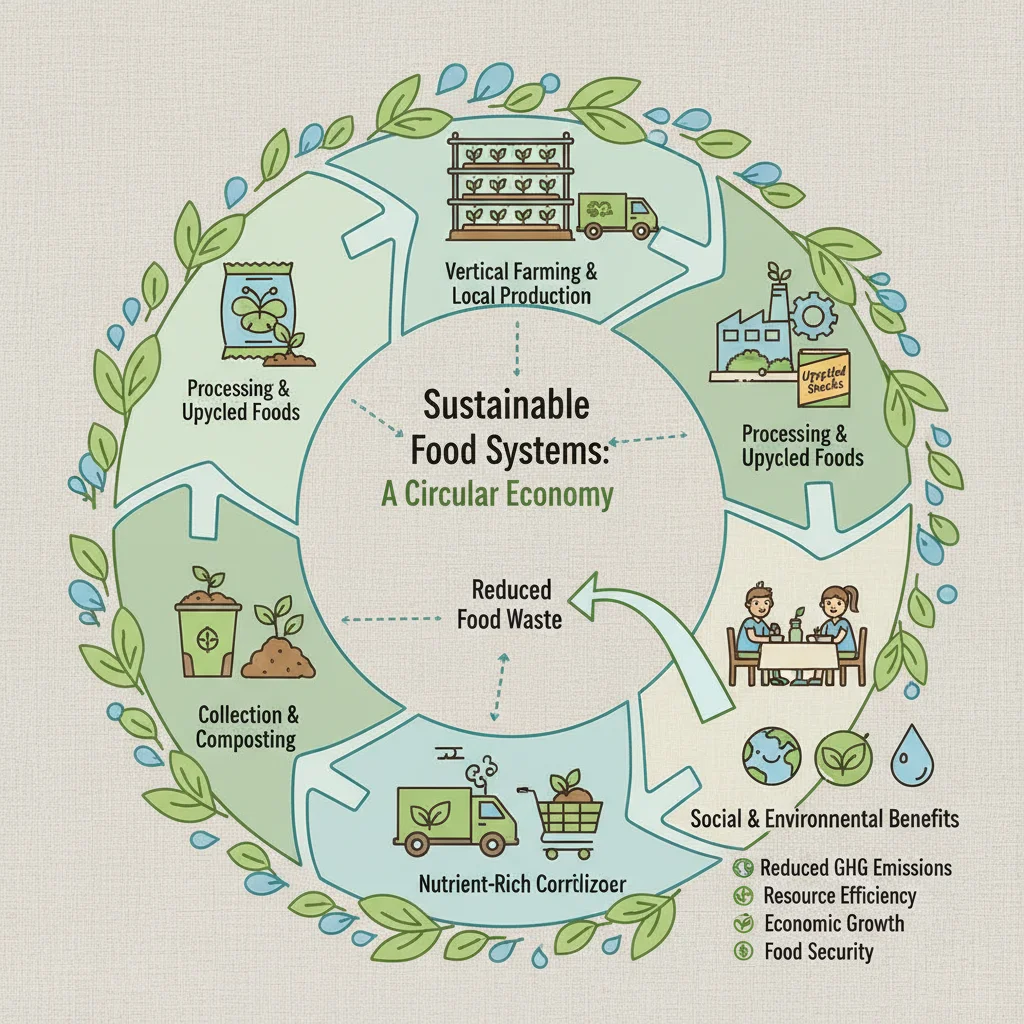
Food waste is a monumental problem, both economically and environmentally. The concept of upcycled food and the broader implementation of circular food systems represent crucial American Food Innovations aimed at transforming waste into valuable resources.
Recent Updates and Breakthroughs:
- Upcycled Food Certification: The Upcycled Food Association has established a certification program that helps consumers identify products made from ingredients that would otherwise have gone to waste. This has boosted consumer trust and market growth.
- Innovative Upcycled Products: The market is seeing an explosion of products made from upcycled ingredients: snacks from spent grain from breweries, flours from fruit and vegetable pulp, protein powders from discarded plant parts, and even sustainable oils from avocado pits.
- Supply Chain Optimization: Technology (AI, blockchain) is being used to better match supply and demand, reducing overproduction and ensuring that surplus food is redirected to charities or upcycling facilities before it spoils.
- Consumer Awareness Campaigns: Efforts to educate consumers about food waste and the benefits of upcycled products are gaining traction, leading to increased demand for these sustainable options.
Comparison and Analysis:
Upcycled food and circular systems are not just about reducing waste; they are about creating new value streams and fostering a more resilient and sustainable food economy. This area of American Food Innovations has far-reaching benefits.
Benefits: Significant reduction in food waste and associated greenhouse gas emissions, creation of new revenue streams for producers, enhanced resource efficiency, and the development of novel, often nutritious, food products. It addresses both environmental and food security concerns.
Challenges: Overcoming the stigma associated with ‘waste’ in food. Developing efficient and cost-effective collection, processing, and distribution systems for food byproducts. Ensuring regulatory clarity and food safety standards for upcycled ingredients. Consumer education is paramount to drive adoption.
By 2026, upcycled food will be a recognized and growing category in grocery stores across America. Consumers will increasingly seek out certified upcycled products, and businesses will integrate waste reduction and valorization into their core strategies, leading to a more efficient and sustainable American diet.
5. Hyper-Local and Controlled Environment Agriculture (CEA)
The desire for fresh, locally sourced food, combined with concerns about supply chain resilience and environmental impact, is fueling the growth of hyper-local food production, particularly through Controlled Environment Agriculture (CEA) – including vertical farms, indoor farms, and greenhouses. This is a vital component of modern American Food Innovations.
Recent Updates and Breakthroughs:
- Vertical Farm Expansion: Large-scale vertical farms are being established in urban centers and industrial areas, bringing fresh produce closer to consumers. These farms use significantly less water and land than traditional agriculture.
- Technological Integration: Advanced LED lighting, hydroponics, aeroponics, and aquaponics systems, coupled with AI and IoT sensors, optimize growing conditions for maximum yield and nutrient density. Robotic automation is also becoming more common for planting, harvesting, and packaging.
- Crop Diversification: While leafy greens and herbs were the initial focus, CEA is expanding to include berries, root vegetables, and even some staple crops, pushing the boundaries of what can be grown indoors.
- Decentralized Production: The model allows for distributed food production, reducing transportation costs and emissions, and increasing food security in regions with challenging climates or limited arable land.
Comparison and Analysis:
Hyper-local and CEA systems offer a paradigm shift in food production, addressing many issues inherent in traditional agriculture and representing significant American Food Innovations.
Benefits: Year-round production regardless of climate, significantly reduced water usage (up to 95% less), elimination of pesticides and herbicides, reduced transportation emissions, minimized food waste due to proximity to markets, and fresher, often more nutritious produce.
Challenges: High initial capital investment for setting up CEA facilities. Energy consumption for lighting and climate control can be substantial, though renewable energy integration is a growing focus. The range of crops that can be economically grown in CEA is still limited compared to field farming. Scaling to meet large-scale demand for staple crops remains a challenge.
By 2026, hyper-local produce from vertical farms will be a common sight in American supermarkets and restaurants, especially in urban areas. This will lead to a diet with more consistent access to fresh, high-quality fruits and vegetables, reducing reliance on long-distance supply chains and enhancing the nutritional profile of the average American’s diet.
The Interconnected Future of American Food
These five American Food Innovations are not isolated phenomena; they are interconnected and mutually reinforcing. For example, personalized nutrition might recommend specific plant-based proteins or upcycled ingredients based on an individual’s needs. Cultivated meat production will likely benefit from the same controlled environment technologies used in vertical farming. The overarching theme is a move towards greater efficiency, sustainability, health, and customization in our food system.
The journey to 2026 will see these innovations mature, become more accessible, and integrate further into daily life. Consumers will have more choices than ever before, prompting a need for greater transparency and education about the origins and composition of their food. The food industry will continue to adapt, with traditional players embracing new technologies and startups pioneering revolutionary approaches.
Conclusion: A Taste of Tomorrow’s American Diet
The future of American food culture, shaped by these pioneering American Food Innovations, promises to be more diverse, sustainable, and health-conscious. From the sophisticated textures of advanced plant-based proteins to the ethical promise of cultivated meat, the precision of AI-driven personalized nutrition, the resourcefulness of upcycled foods, and the freshness of hyper-local produce, the way Americans eat is undergoing a profound transformation.
These innovations offer solutions to some of the most pressing global challenges, including climate change, food security, and public health. While challenges remain in terms of cost, scalability, and consumer acceptance, the momentum behind these trends is undeniable. By 2026, the American diet will reflect a deeper understanding of our planet’s limits and our bodies’ needs, leading to a culinary landscape that is as innovative as it is delicious. Staying informed about these developments is not just about keeping up with trends; it’s about understanding the future of our food and our world.