Future US Urban Planning: 4 Innovative Concepts by 2026
The Future of Public Spaces: 4 Innovative US Urban Planning Concepts Expected by 2026 (INSIDER KNOWLEDGE)
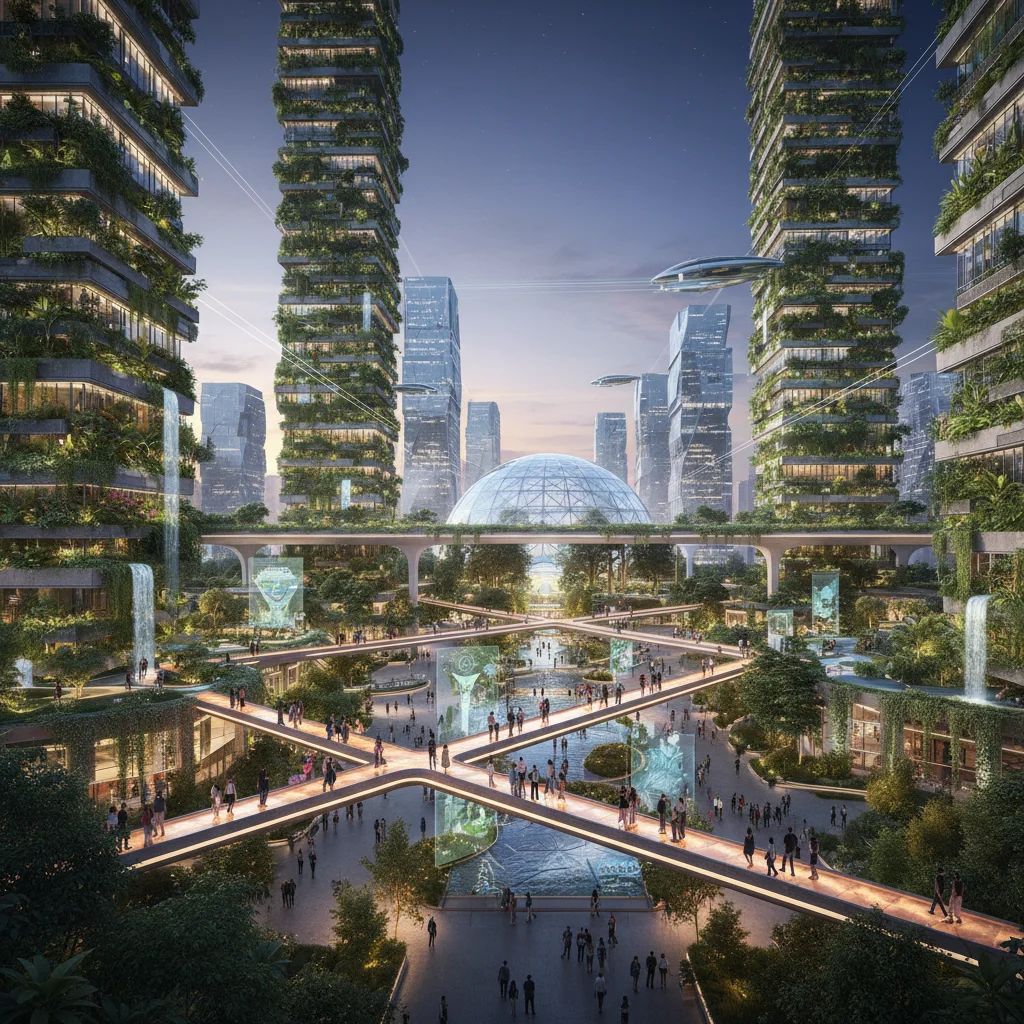
The urban landscape of the United States is on the cusp of a profound transformation. As populations grow and environmental concerns intensify, the need for smarter, more sustainable, and more equitable cities has never been more pressing. “US Urban Planning Future” isn’t just a buzzphrase; it’s a blueprint for livable, thriving communities. By 2026, we anticipate seeing several groundbreaking concepts move from the drawing board to tangible realities, fundamentally reshaping how we interact with our public spaces. This article delves into four such innovative concepts, offering a glimpse into the future of American cities and providing insider knowledge on the forces driving these changes.
For decades, urban planning often prioritized vehicular traffic and commercial development over human-centric design. However, a paradigm shift is underway. Planners, policymakers, and communities are collaborating to envision cities that are healthier, more resilient, and foster a stronger sense of belonging. The focus is increasingly on integrating nature, advanced technology, and social equity into the very fabric of urban design. These upcoming concepts reflect a holistic approach, moving beyond mere aesthetics to address complex challenges like climate change, social isolation, and infrastructure decay.
Understanding these emerging trends is crucial not only for urban developers and policymakers but also for residents who will directly benefit from (or be impacted by) these changes. The next few years promise to be a fascinating period of experimentation and innovation in US urban planning, setting precedents for decades to come. Let’s explore the forefront of this evolution.
1. Hyper-Local “15-Minute City” Neighborhoods: Redefining Urban Convenience
The concept of the “15-Minute City” has gained significant traction globally, and its adaptation for the US urban planning future is particularly exciting. This model envisions urban neighborhoods where residents can access all essential services – work, shopping, education, healthcare, and recreation – within a 15-minute walk or bike ride from their homes. This isn’t just about convenience; it’s a powerful strategy for reducing reliance on cars, promoting active transportation, fostering local economies, and strengthening community bonds. By 2026, we expect to see several American cities actively implementing and expanding pilot programs for these hyper-local zones.
The Pillars of the 15-Minute City in the US Context
The American interpretation of the 15-Minute City concept emphasizes several key elements:
- Mixed-Use Zoning Reform: A fundamental shift from traditional single-use zoning to allow for a greater mix of residential, commercial, and public spaces within smaller areas. This means ground-floor retail beneath apartments, offices coexisting with parks, and schools integrated into residential blocks. This reform is critical for enabling the density and diversity required for a truly 15-minute neighborhood.
- Enhanced Pedestrian and Cycling Infrastructure: Significant investment in safe, well-lit, and aesthetically pleasing pedestrian pathways, dedicated bike lanes, and robust public transit options. This includes “complete streets” initiatives that prioritize all users, not just drivers. The goal is to make walking and cycling the preferred modes of transport for daily errands.
- Decentralized Public Services: Shifting away from centralized service hubs to distribute public amenities like libraries, community centers, health clinics, and even satellite government offices more evenly across neighborhoods. This makes services more accessible and reduces travel burdens.
- Green Spaces and Public Plazas: Integrating more parks, green corridors, and public gathering spaces into the urban fabric. These aren’t just decorative; they serve as critical social hubs, recreational areas, and ecological assets, improving air quality and urban biodiversity.
- Digital Connectivity: While emphasizing physical proximity, these neighborhoods will also leverage smart city technologies for efficient service delivery, real-time information on local amenities, and community engagement platforms.
Insider Perspective: Challenges and Opportunities
Implementing the 15-Minute City model in the US presents unique challenges, particularly around existing zoning laws, NIMBYism (Not In My Backyard), and the car-centric culture of many American suburbs. However, the opportunities are immense. Cities like Portland, Oregon, and some districts in New York City are already experimenting with elements of this concept, focusing on creating “20-minute neighborhoods.” The push for equitable access is paramount, ensuring that these hyper-local hubs don’t inadvertently lead to gentrification or exclude lower-income residents. The “US Urban Planning Future” in this context will involve innovative financing models, community land trusts, and affordable housing mandates to ensure inclusivity.
By 2026, expect to see more cities adopting comprehensive plans that explicitly incorporate 15-minute city principles, leading to a noticeable shift in how urban dwellers experience their daily lives – less commuting, more community engagement, and a higher quality of life.
2. “Blue-Green” Infrastructure Networks: Nature-Based Solutions for Resilient Cities
As climate change accelerates, cities face increasing threats from extreme weather events, including intense heatwaves, severe flooding, and prolonged droughts. The US urban planning future is increasingly turning to “blue-green” infrastructure networks as a powerful, nature-based solution. This concept integrates natural water systems (blue) with vegetated landscapes (green) to manage stormwater, mitigate urban heat island effects, improve air quality, and enhance biodiversity, all while creating beautiful and functional public spaces.
Components of Blue-Green Infrastructure
Blue-green infrastructure isn’t just about planting trees; it’s a sophisticated, interconnected system:
- Rain Gardens and Bioswales: Specially designed landscape features that collect, filter, and absorb stormwater runoff from impervious surfaces like roads and parking lots. These reduce the burden on traditional drainage systems and replenish groundwater.
- Permeable Pavements: Replacing traditional concrete and asphalt with materials that allow water to infiltrate the ground, reducing runoff and preventing localized flooding.
- Green Roofs and Walls: Vegetated surfaces on building tops and facades that absorb rainwater, insulate buildings (reducing energy consumption), and provide habitats for urban wildlife. They also contribute significantly to reducing urban heat island effects.
- Urban Forests and Tree Canopies: Strategic planting of trees along streets, in parks, and on public lands to provide shade, improve air quality by filtering pollutants, and absorb carbon dioxide. A robust tree canopy can significantly cool urban areas.
- Restored Wetlands and Riparian Zones: Reintroducing or enhancing natural wetland areas and vegetation along rivers and coastlines. These act as natural sponges, absorbing floodwaters, filtering pollutants, and providing critical ecological habitats.
- Smart Water Management Systems: Integrating sensors and data analytics to monitor water levels, predict flood risks, and optimize the use of blue-green assets for maximum effectiveness.
Insider Perspective: Funding and Collaboration
The shift towards blue-green infrastructure represents a significant investment, but one with substantial long-term returns in terms of avoided disaster costs, improved public health, and enhanced property values. Federal grants, state-level initiatives, and public-private partnerships are crucial for funding these projects. Cities like Philadelphia and Seattle have been pioneers in implementing large-scale green infrastructure programs, demonstrating their effectiveness. The “US Urban Planning Future” will increasingly see cross-departmental collaboration – between planning, public works, environmental protection, and public health – to design and maintain these complex systems. By 2026, expect to see more municipalities embedding blue-green infrastructure as a foundational element of all new development and redevelopment projects, moving beyond pilot programs to systemic integration.
3. “Smart Public Realm” Integration: Technology for Enhanced User Experience
The proliferation of IoT (Internet of Things) devices, advanced sensors, and artificial intelligence is paving the way for a “Smart Public Realm” – public spaces that are not only aesthetically pleasing but also highly functional, responsive, and data-driven. This isn’t about surveillance; it’s about optimizing urban services, enhancing safety, and providing a more personalized and efficient experience for residents and visitors. The US urban planning future will see smart technology seamlessly integrated into public infrastructure, often imperceptibly, to improve daily life.
Key Features of the Smart Public Realm
- Intelligent Lighting Systems: Streetlights that adjust brightness based on pedestrian activity, time of day, and weather conditions, saving energy and enhancing safety. Some systems can even detect emergencies and alert authorities.
- Environmental Monitoring: Sensors embedded in public spaces that continuously monitor air quality, noise levels, temperature, and even water quality in urban waterways. This data informs policy decisions and provides real-time information to citizens.
- Smart Waste Management: “Smart bins” that signal when they are full, optimizing collection routes and reducing overflowing waste, contributing to cleaner public spaces.
- Connected Public Wi-Fi and Charging Stations: Ubiquitous, free public Wi-Fi and charging points integrated into street furniture, making public spaces more accessible and functional for remote work or leisure.
- Digital Kiosks and Wayfinding: Interactive digital displays providing real-time public transit information, local event listings, historical context, and dynamic wayfinding, enhancing visitor experience.
- Autonomous Public Transport Integration: Dedicated lanes and charging infrastructure for autonomous shuttles and ride-sharing services, reducing traffic congestion and improving mobility options in public areas.
- Adaptive Traffic Management: AI-powered systems that optimize traffic signal timing in real-time based on traffic flow, reducing congestion and improving pedestrian safety at intersections.
Insider Perspective: Data Privacy and Equity
While the benefits of a Smart Public Realm are clear, concerns about data privacy and equitable access are paramount. The “US Urban Planning Future” in this domain will involve robust data governance policies, transparent communication with the public about data collection, and “privacy by design” principles. Ensuring that smart city technologies benefit all residents, not just a select few, is also critical. This means investing in digital literacy programs and ensuring that essential services remain accessible to those without constant digital connectivity. Cities like Columbus, Ohio (a Smart City Challenge winner), are leading the charge in developing ethical frameworks for smart urban development. By 2026, expect to see a more mature approach to smart public spaces, balancing innovation with citizen trust and social responsibility.
4. Regenerative Urbanism: Cities as Ecosystems, Not Just Concrete Jungles
Moving beyond sustainability, regenerative urbanism aims to create cities that not only minimize their negative impact but actively restore and enhance ecological systems, social well-being, and economic vitality. This is perhaps the most ambitious of the US urban planning future concepts, viewing cities not as mere consumers of resources but as living, evolving ecosystems that contribute positively to their surrounding environment. By 2026, while full “regenerative cities” may still be aspirational, we will see significant foundational steps and pilot projects embracing these principles.
Principles of Regenerative Urbanism
- Circular Economy Integration: Designing urban systems to minimize waste and maximize resource efficiency. This includes urban agriculture, composting programs, localized manufacturing, and closed-loop material flows (e.g., recycling construction waste into new buildings).
- Net-Positive Energy and Water Systems: Aiming for cities that produce more energy than they consume (through renewable sources like solar and wind) and manage water resources in a way that replenishes natural systems, rather than depleting them. This involves advanced rainwater harvesting, greywater recycling, and local energy grids.
- Biodiversity Enhancement: Actively creating and restoring habitats within the urban fabric to support a wide range of flora and fauna. This goes beyond simple green spaces to include wildlife corridors, pollinator gardens, and rewilding efforts.
- Community Empowerment and Stewardship: Fostering strong, engaged communities that have a direct role in shaping and maintaining their environment. This includes participatory design processes, community gardens, and local governance models that encourage citizen involvement in urban management.
- Biophilic Design: Integrating natural patterns, processes, and elements into building design and public spaces to connect people with nature. This enhances well-being, reduces stress, and improves cognitive function.
- Carbon Sequestration: Using urban forests, green infrastructure, and innovative building materials to actively remove carbon dioxide from the atmosphere, turning cities into carbon sinks rather than carbon emitters.
Insider Perspective: Long-Term Vision and Investment
Regenerative urbanism requires a long-term vision and significant upfront investment, but it promises unparalleled resilience and quality of life. Cities like Phoenix, Arizona, with its ambitious “Cool Corridors” initiative, and initiatives around the Great Lakes region focusing on water quality and ecological restoration, show glimpses of this future. The “US Urban Planning Future” will increasingly involve partnerships with academic institutions for research and development, and innovative financial instruments like green bonds to fund these transformative projects. By 2026, we anticipate more cities developing comprehensive “regenerative master plans” that outline a path towards becoming truly restorative urban environments, moving beyond merely ‘doing less harm’ to ‘doing more good.’
The Interconnectedness of the US Urban Planning Future
It’s crucial to understand that these four concepts are not isolated silos; they are deeply interconnected and mutually reinforcing. A 15-Minute City, for instance, benefits immensely from integrated blue-green infrastructure that makes walking and cycling more pleasant and resilient to climate impacts. A Smart Public Realm can provide the data and efficiency needed to manage regenerative systems effectively. The “US Urban Planning Future” is therefore a symphony of these innovations, playing together to create more harmonious and functional urban environments.
Impact on Daily Life
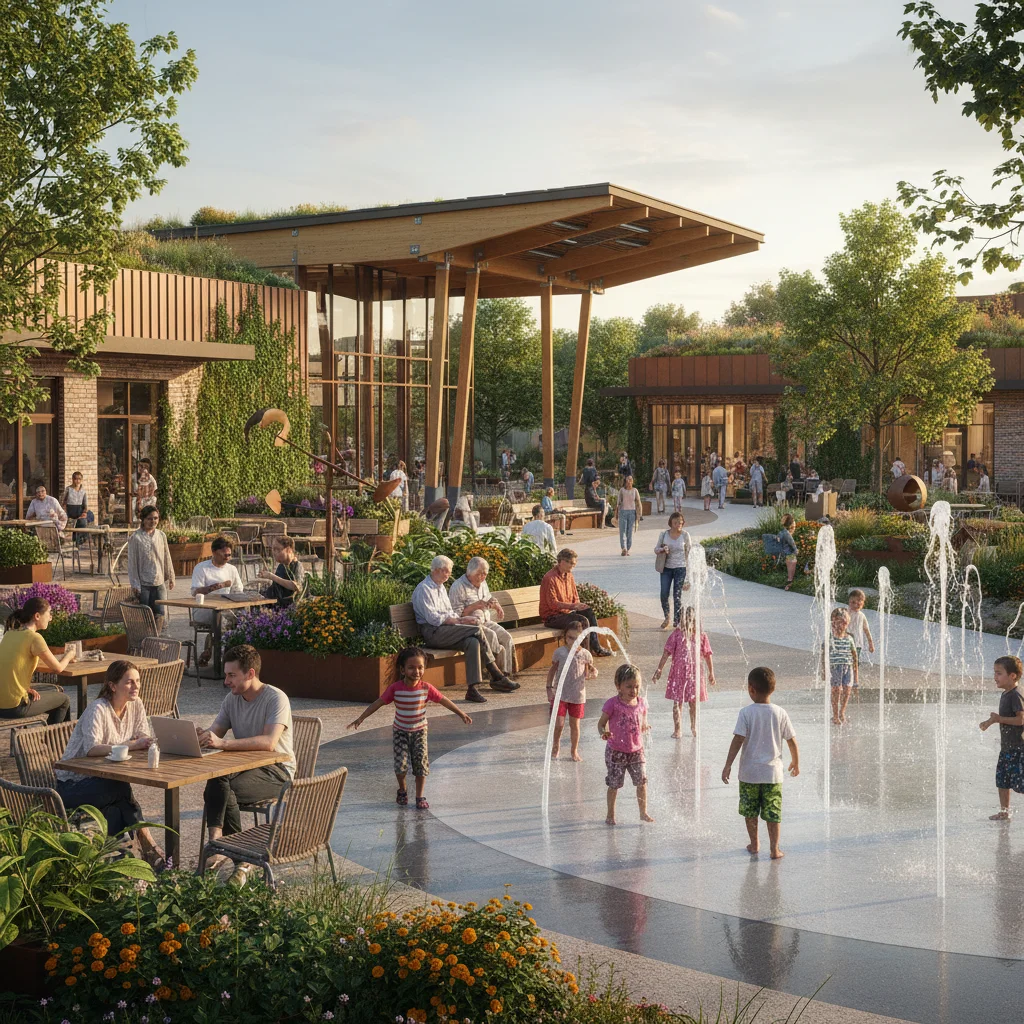
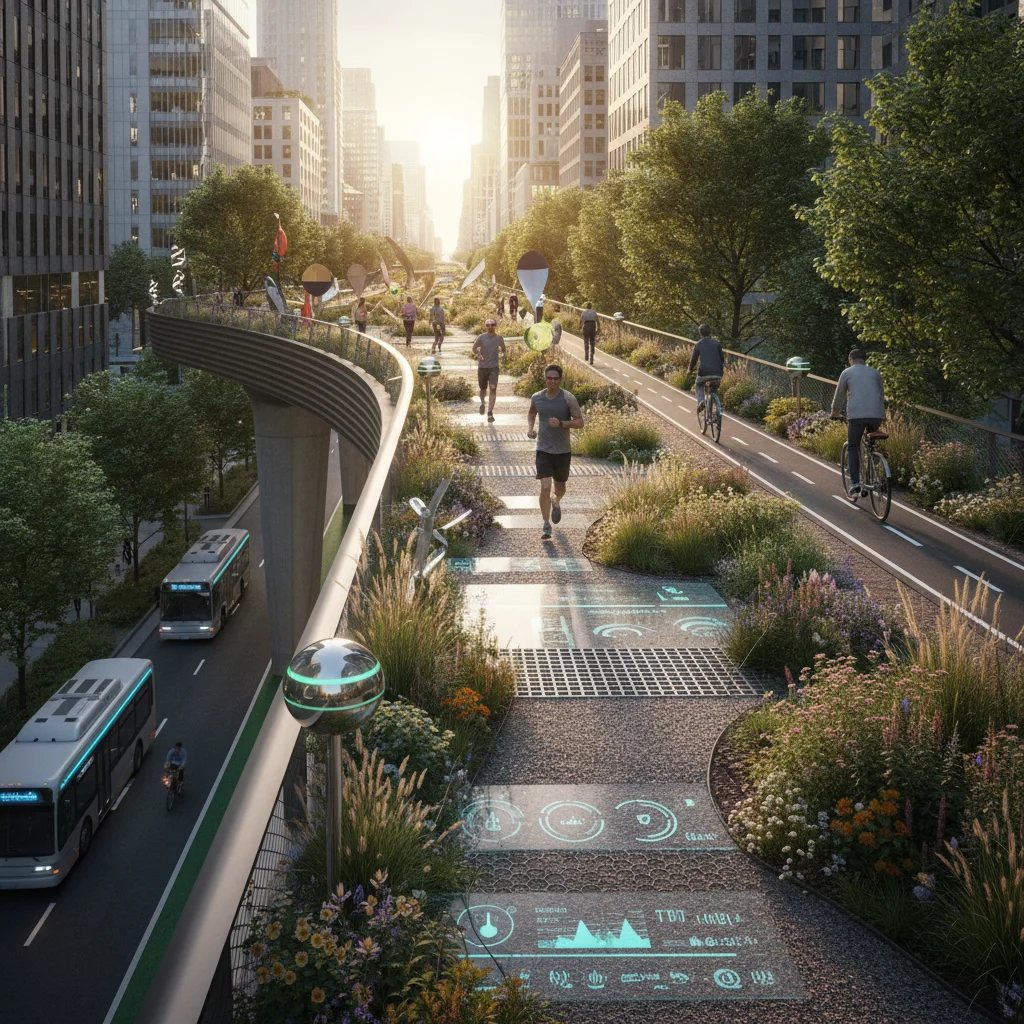
What does this mean for the average American urban dweller? By 2026, you might find yourself living in a neighborhood where your daily commute is a pleasant walk or bike ride through a tree-lined street with permeable pavements. Your local park might be a biodiverse hub that also manages stormwater. The streetlights outside your window could be adjusting their brightness based on real-time activity, and your community center might be powered by solar panels and surrounded by a community garden. These changes are designed to improve public health, reduce stress, enhance social connections, and ultimately create a more fulfilling urban experience.
Challenges and the Path Forward
While the vision is compelling, the path to this future is not without its hurdles. Political will, funding constraints, public acceptance, and the complexities of integrating new technologies into existing infrastructure are significant challenges. Addressing historical inequities in urban development is also paramount to ensure that these advancements benefit all segments of society, not just the privileged.
However, the growing consensus among urban planners, environmentalists, and forward-thinking policymakers is that these innovations are not just desirable but essential for the long-term viability and vitality of American cities. The urgency of climate change, coupled with a renewed focus on community well-being, is driving unprecedented collaboration and investment in these areas.
Conclusion: A Brighter Horizon for US Cities
The “US Urban Planning Future” is characterized by bold visions and pragmatic solutions. The four concepts – Hyper-Local 15-Minute Cities, Blue-Green Infrastructure Networks, Smart Public Realm Integration, and Regenerative Urbanism – represent a holistic approach to city building that prioritizes people, planet, and prosperity. By 2026, we will undoubtedly witness significant progress in these areas, transforming our cities into more resilient, equitable, and enjoyable places to live, work, and thrive.
These innovations are not just about new buildings or technologies; they are about reimagining our relationship with urban spaces, fostering stronger communities, and building a sustainable legacy for generations to come. The next few years will be pivotal in shaping what American cities will look like for the rest of the 21st century and beyond. Keep an eye on these developments; they are the future unfolding before our eyes.