Longevity Economy: Financial Impact of Aging US Population & Growth Sectors by 2026

The United States is undergoing a profound demographic transformation. The population is aging at an unprecedented rate, a phenomenon often referred to as the "silver tsunami." This demographic shift is not merely a social observation; it represents a fundamental reshaping of the American economy, giving rise to what is now known as the Longevity Economy Financial Impact. This isn’t just about a growing number of older people; it’s about a significant economic force that influences everything from consumer spending patterns and labor markets to healthcare systems and technological innovation.
Understanding the Longevity Economy Financial Impact is crucial for businesses, policymakers, and individuals alike. It’s about recognizing the opportunities and challenges presented by a population segment that, by 2026, will exert an even greater influence on economic growth and societal development. This article will delve deep into the multifaceted financial implications of this aging demographic, identify the primary drivers of this economic shift, and spotlight two critical growth sectors poised for significant expansion in the coming years: Healthcare and Technology & Smart Living.
The sheer scale of this demographic change is staggering. According to the U.S. Census Bureau, by 2030, all baby boomers will be older than 65, meaning that one in every five U.S. residents will be of retirement age. This group, often characterized by accumulated wealth, distinct consumer preferences, and specific needs, is not just consuming; they are actively contributing, innovating, and demanding services that cater to their unique life stage. The financial impact of the longevity economy is therefore a dynamic and evolving landscape, ripe with both potential and complexities that demand careful consideration and strategic planning.
Understanding the Longevity Economy and its Financial Impact
The Longevity Economy Financial Impact refers to the collective economic activities, goods, and services that cater to the needs and wants of people aged 50 and over. It’s a powerful economic engine, driven by the increasing lifespans, improved health, and accumulated wealth of this demographic. This sector encompasses far more than just healthcare; it includes housing, transportation, leisure, financial services, technology, and even labor force participation.
Demographic Shift: The Core Driver
The primary catalyst for the Longevity Economy Financial Impact is the demographic shift towards an older population. Several factors contribute to this phenomenon:
- Increased Life Expectancy: Advances in medicine, public health, and lifestyle improvements have significantly extended human lifespans. People are living longer and, often, healthier lives.
- Declining Birth Rates: In many developed nations, including the US, birth rates have been declining, leading to a smaller proportion of younger individuals compared to older ones.
- Baby Boomer Generation: The sheer size of the baby boomer generation (born between 1946 and 1964) reaching retirement age is a major contributor. This large cohort is now entering their later years, creating a massive consumer base with specific demands.
Economic Power of Older Adults
Contrary to outdated stereotypes, older adults are not a drain on the economy; they are a significant economic force. Their financial impact is substantial due to:
- Wealth Accumulation: Older adults often possess the majority of a nation’s wealth, accumulated over decades of work and investment. This wealth translates into significant purchasing power.
- Discretionary Spending: Many older adults, particularly those without dependents, have substantial discretionary income for travel, leisure, hobbies, and personal enrichment.
- Healthcare Spending: As individuals age, their healthcare needs generally increase, leading to higher spending on medical services, pharmaceuticals, and long-term care.
- Philanthropy and Volunteering: Older adults are often significant contributors to charitable causes and volunteer work, which, while not directly financial transactions, contribute to social capital and reduce the burden on public services.
- Entrepreneurship: A growing number of older adults are choosing to start businesses or continue working past traditional retirement age, contributing to innovation and economic growth.
The financial impact of the longevity economy is therefore a complex interplay of consumption, investment, and specialized service demands. Businesses that fail to recognize and adapt to this powerful demographic will miss out on significant growth opportunities.
Challenges and Opportunities for the US Economy
The burgeoning Longevity Economy Financial Impact presents both significant challenges and unparalleled opportunities for the US economy.
Challenges:
- Strain on Social Security and Medicare: A growing proportion of retirees drawing benefits from Social Security and Medicare, coupled with a shrinking proportion of working-age individuals contributing, creates fiscal pressure on these vital programs.
- Labor Shortages and Skill Gaps: As experienced workers retire, industries may face labor shortages and a loss of institutional knowledge. There’s a need to reskill and upskill the remaining workforce and encourage older adults to remain in the labor force if they choose.
- Healthcare Costs: While a growth sector, the increasing demand for healthcare services for an aging population can lead to rising overall healthcare costs, posing challenges for individuals, families, and government budgets.
- Infrastructure Adaptation: Existing infrastructure, including transportation, housing, and public spaces, may not be adequately designed to meet the needs of an older population, requiring significant investment in adaptations.
- Intergenerational Equity: Balancing the needs and contributions of different age groups can become a policy challenge, particularly concerning resource allocation and social support systems.
Opportunities:
- New Market Creation: The specific needs and desires of older adults are spurring the creation of entirely new markets and product categories, from age-friendly technology to specialized travel and wellness programs.
- Innovation and R&D: The demand for solutions in areas like health, mobility, and independent living is driving significant research and development, fostering innovation across multiple sectors.
- Increased Economic Activity: The substantial purchasing power and savings of older adults fuel consumer spending and investment, contributing to overall economic growth.
- Experienced Workforce: Older workers represent a valuable pool of experience, wisdom, and reliability. Employers who can retain and leverage this talent can gain a competitive advantage.
- Housing and Real Estate: The demand for age-friendly housing, assisted living facilities, and communities designed for older adults is a significant growth area.
- Financial Services: Retirement planning, wealth management, estate planning, and specialized insurance products are in high demand as individuals plan for longer lifespans.
Navigating these challenges while capitalizing on the opportunities is key to harnessing the full potential of the Longevity Economy Financial Impact. Strategic foresight and adaptive policies will be essential for the US economy to thrive in this new demographic reality.
Growth Sector 1: Healthcare and Wellness
The healthcare and wellness sector stands as arguably the most direct and significant beneficiary of the Longevity Economy Financial Impact. As the US population ages, the demand for medical services, pharmaceuticals, long-term care, and preventative health solutions is skyrocketing. This isn’t just about treating illnesses; it’s about enabling longer, healthier, and more active lives.
Sub-sectors within Healthcare Poised for Growth:
- Geriatric Medicine and Specialized Care: With a growing elderly population, the need for doctors, nurses, and specialists trained in geriatric care will continue to surge. This includes everything from general geriatrics to specialized fields like geriatric cardiology, oncology, and neurology.
- Long-Term Care and Assisted Living: As individuals require more assistance with daily activities, the demand for assisted living facilities, nursing homes, and home healthcare services will expand dramatically. This segment is experiencing significant investment and innovation, focusing on person-centered care and quality of life.
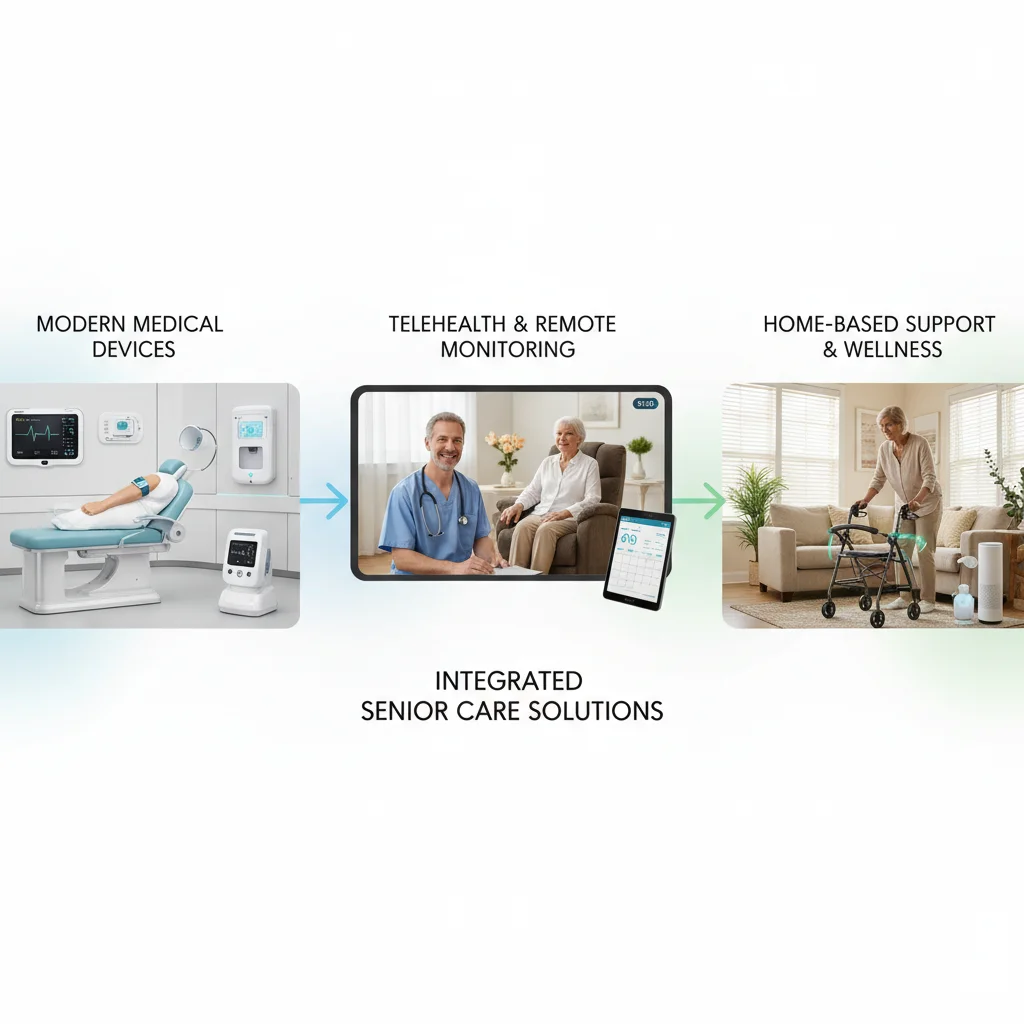
- Pharmaceuticals and Medical Devices: The incidence of chronic diseases tends to increase with age. This drives demand for medications to manage conditions like diabetes, heart disease, arthritis, and Alzheimer’s. Similarly, medical devices for mobility, monitoring, and treatment (e.g., pacemakers, hearing aids, prosthetics) will see sustained growth.
- Preventative Health and Wellness Programs: There’s a growing emphasis on proactive health management to maintain independence and quality of life for longer. This includes fitness programs tailored for seniors, nutritional counseling, mental health services, and wellness technologies.
- Telehealth and Remote Monitoring: Technology is transforming healthcare delivery. Telehealth allows older adults to consult with doctors from home, while remote monitoring devices can track vital signs and alert caregivers to potential issues, improving access and reducing costs.
- Age-Friendly Design in Healthcare Facilities: Hospitals and clinics are adapting their environments to be more accessible and comfortable for older patients, from improved signage to specialized equipment.
By 2026, investment in these areas is expected to intensify, driven by both private and public sectors. The challenge will be to manage costs while ensuring access to high-quality care. Innovation in care delivery models, preventive strategies, and technological integration will be crucial to meet the escalating demands of the Longevity Economy Financial Impact within healthcare.
Growth Sector 2: Technology and Smart Living Solutions
The second major growth sector driven by the Longevity Economy Financial Impact is technology and smart living solutions. This sector is characterized by innovation aimed at enhancing the independence, safety, connectivity, and overall quality of life for older adults. It’s about leveraging technological advancements to address the unique challenges and desires of an aging population.
Key Areas of Growth in Technology and Smart Living:
- Smart Home Technology and Automation: Devices that automate tasks (lighting, climate control), provide security (doorbell cameras, smart locks), and offer convenience (voice assistants for reminders or communication) are increasingly popular. These technologies help older adults maintain independence in their homes for longer.
- Wearable Health Devices and Remote Monitoring: Wearables that track vital signs, detect falls, monitor activity levels, and even provide medication reminders are becoming indispensable. These devices offer peace of mind for families and can alert healthcare providers to potential issues before they become critical.
- Communication and Social Connectivity Tools: Easy-to-use tablets, simplified smartphones, and video conferencing platforms designed for seniors help them stay connected with family and friends, combating social isolation which is a significant health concern.
- Assistive Technologies and Mobility Aids: Beyond traditional wheelchairs and walkers, this includes advanced robotics for assistance with daily tasks, smart canes with GPS, and exoskeletons for rehabilitation or mobility enhancement.
- Personalized Entertainment and Learning: Streaming services, online courses, and brain-training apps tailored for older adults provide mental stimulation and entertainment, contributing to cognitive health and well-being.
- Transportation Solutions: Autonomous vehicles and ride-sharing services specifically designed for older adults can provide greater mobility and independence for those who can no longer drive.
- Age-Friendly Digital Interfaces and Software: Software and app developers are increasingly focusing on creating interfaces that are intuitive, have larger fonts, and offer simplified navigation to accommodate cognitive and visual changes associated with aging.
The synergy between technology and the needs of older adults is creating a dynamic market. Companies that can effectively design, market, and implement user-friendly and beneficial technological solutions will capture a significant share of the Longevity Economy Financial Impact within this sector. By 2026, expect to see even more sophisticated and integrated smart living ecosystems emerging to support the aging population.
Investment Opportunities and Economic Implications by 2026
The accelerating Longevity Economy Financial Impact presents a compelling landscape for investors and significant economic implications that will shape the US economy by 2026 and beyond. Smart capital allocation will be critical to capitalize on these trends.
Key Investment Areas:
- Healthcare Innovation: Look for companies developing cutting-edge treatments for age-related diseases, innovative medical devices, and efficient healthcare delivery models (e.g., outpatient surgical centers, specialized clinics).
- Senior Living and Real Estate: Investment in new construction or renovation of assisted living facilities, independent living communities, and age-restricted housing will continue to be strong. Real estate investment trusts (REITs) focused on senior housing are a relevant avenue.
- Geriatric-Focused Technology: Companies specializing in smart home solutions for seniors, wearable health monitors, telehealth platforms, and AI-powered assistive devices are prime for growth.
- Financial Planning and Wealth Management for Longevity: Firms offering specialized retirement planning, long-term care insurance, estate planning, and wealth transfer services will see increased demand.
- Leisure and Experiential Services: Travel companies, hospitality groups, and entertainment providers that cater to the preferences and mobility levels of older adults will thrive.
- Workforce Development and Training: Investments in programs that reskill older workers or adapt workplaces to be age-inclusive will address labor market needs.
Broader Economic Implications:
- Shift in Consumer Spending: Expect a continued shift in consumer spending towards health, wellness, experiences, and convenience, with less emphasis on traditional family-centric goods.
- Labor Market Evolution: The labor force will become older, requiring greater flexibility in work arrangements, a focus on lifelong learning, and strategies to retain experienced workers.
- Fiscal Policy Adjustments: Governments will face ongoing pressure to reform social security and healthcare systems to ensure their long-term viability, potentially leading to policy changes impacting taxation and benefits.
- Urban and Rural Planning: Cities and towns will need to adapt their infrastructure to be more age-friendly, impacting urban planning, transportation networks, and housing development.
- Increased Demand for Care Infrastructure: The need for professional caregivers, both in formal institutions and in-home settings, will continue to grow, creating jobs but also demanding solutions for staffing and training.
By 2026, the US economy will be even more deeply intertwined with the dynamics of the Longevity Economy Financial Impact. Businesses and investors who anticipate these shifts and strategically position themselves will be best equipped for success.
Policy and Societal Adaptations for an Aging America
The profound Longevity Economy Financial Impact necessitates not only business innovation but also significant policy and societal adaptations. A holistic approach is required to ensure that an aging America remains vibrant, productive, and equitable for all generations.
Policy Considerations:
- Social Security and Medicare Reform: Long-term sustainability of these programs is paramount. Policy discussions will likely center on adjustments to eligibility ages, benefit structures, and funding mechanisms.
- Healthcare Policy: Focus on integrated care models, preventive health initiatives, and affordable access to long-term care. Policies supporting telehealth expansion and innovation in medical technology will be crucial.
- Labor Market Policies: Incentives for employers to hire and retain older workers, flexible work arrangements, and funding for retraining programs can help address labor shortages and promote continued economic contribution.
- Housing and Urban Planning: Policies promoting age-friendly communities, universal design principles in construction, and affordable housing options for seniors are essential. This includes zoning reforms and investment in accessible public transportation.
- Financial Literacy and Retirement Planning: Educational initiatives to improve financial literacy across all age groups, particularly regarding retirement savings and long-term care planning, will be vital.
- Research and Development Funding: Increased government funding for research into age-related diseases, healthy aging, and assistive technologies will drive innovation and improve quality of life.
Societal Adaptations:
- Shifting Perceptions of Aging: Moving away from negative stereotypes towards recognizing the value, experience, and continued contributions of older adults. Promoting intergenerational solidarity and collaboration.
- Family Caregiving Support: With more people living longer, the burden on family caregivers will increase. Societal support systems, including respite care, financial assistance, and workplace flexibility for caregivers, will be increasingly important.
- Volunteerism and Civic Engagement: Encouraging older adults to remain actively engaged in their communities through volunteer work, mentorship, and civic participation can leverage their experience and combat social isolation.
- Lifelong Learning and Skill Development: Promoting a culture of continuous learning allows older adults to adapt to new technologies, remain professionally relevant, and pursue personal interests.
- Accessible Design: A broader societal embrace of accessible design in public spaces, transportation, and digital platforms benefits not only older adults but also individuals with disabilities of all ages.
The Longevity Economy Financial Impact demands a proactive and collaborative response from all segments of society. By adapting policies and fostering a more inclusive and age-friendly culture, the US can successfully navigate this demographic shift and transform it into a powerful engine for sustained prosperity.

Conclusion: Embracing the Future of the Longevity Economy
The Longevity Economy Financial Impact is not a distant future scenario; it is a present reality that is profoundly reshaping the economic and social fabric of the United States. The aging of the US population, driven by increased life expectancy and the sheer size of the baby boomer generation, has created a powerful economic force that demands attention and strategic response. By 2026, this impact will only intensify, making it imperative for businesses, policymakers, and individuals to understand its nuances and prepare for the opportunities and challenges it presents.
We have explored how this demographic shift fuels significant growth in sectors like Healthcare and Wellness, where the demand for specialized medical care, long-term solutions, and preventative health services is continuously expanding. Simultaneously, the Technology and Smart Living Solutions sector is flourishing, offering innovative ways to enhance independence, safety, and connectivity for older adults through smart homes, wearables, and communication tools. These two sectors alone represent billions of dollars in market potential and are ripe for investment and innovation.
Beyond these specific growth areas, the broader economic implications of the Longevity Economy Financial Impact are far-reaching. They touch upon labor market dynamics, consumer spending patterns, fiscal policy, and urban development. Addressing these implications requires thoughtful policy adaptations, such as reforming social security and healthcare, promoting age-friendly labor practices, and investing in accessible infrastructure. Societally, it calls for a shift in perception towards aging, fostering intergenerational solidarity, and supporting family caregivers.
Ultimately, the longevity economy is not just about older people; it’s about the future of everyone. It’s about designing a society and an economy that can thrive when its members live longer, healthier, and more active lives. By embracing the opportunities presented by the Longevity Economy Financial Impact and proactively addressing its challenges, the United States can build a more resilient, innovative, and inclusive future for all its citizens.
The journey into this new economic landscape is one of continuous adaptation and innovation. Those who understand its drivers and anticipate its trajectory will be best positioned to lead and prosper in the decades to come.