Connected Health 2026: Revolutionizing Personal Wellness with Digital Tools
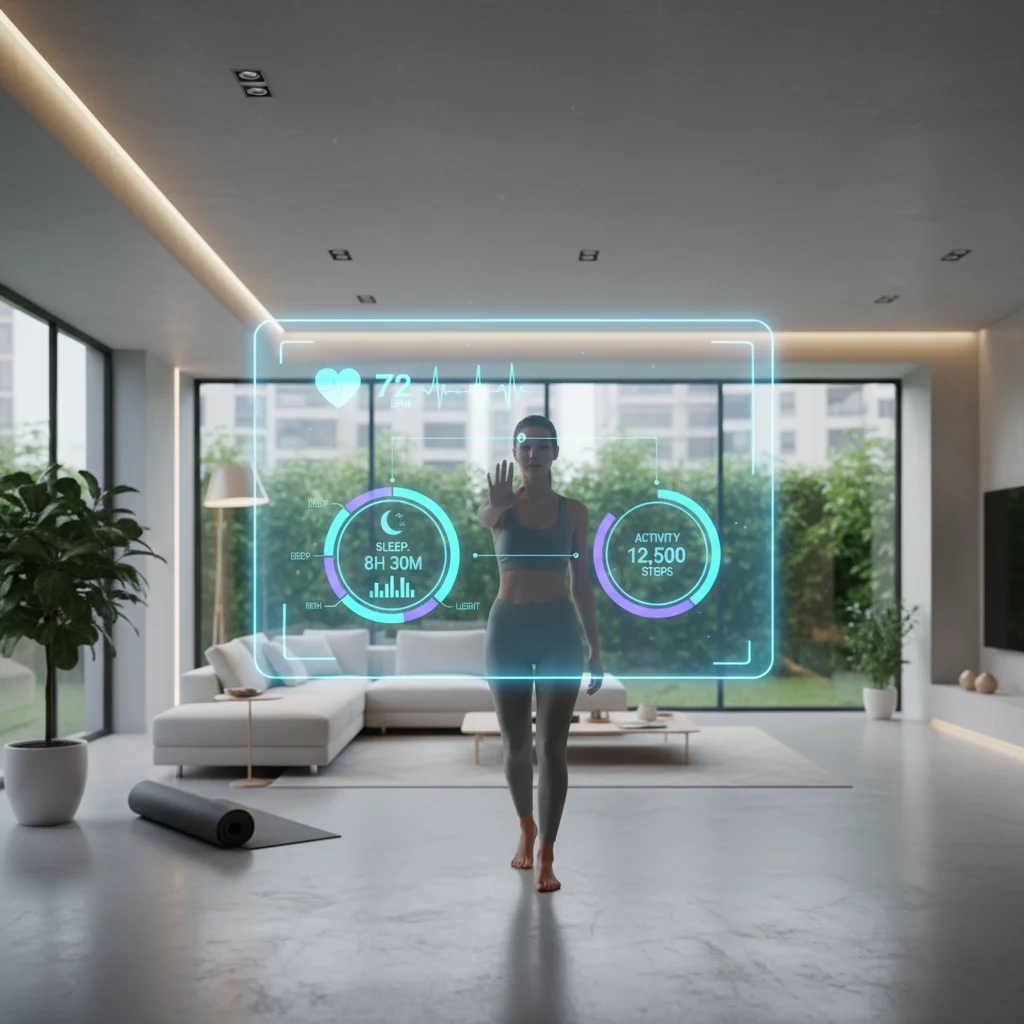
In an era defined by rapid technological advancement, the concept of “connected health” has transcended mere buzzword status to become a transformative force in personal wellness. As we look towards 2026, the integration of digital tools into our daily health routines is not just a convenience but a fundamental shift in how we perceive, manage, and optimize our well-being. This comprehensive exploration delves into the revolutionary impact of connected health tools, highlighting four key digital innovations that are setting new benchmarks for personal wellness.
The journey towards a more proactive and personalized healthcare experience has been long and multifaceted. From the early days of fitness trackers to the sophisticated AI-driven platforms of today, the evolution has been relentless. In 2026, the ecosystem of connected health tools is characterized by seamless interoperability, advanced data analytics, and an unprecedented focus on individual empowerment. These tools are not simply about tracking; they are about understanding, predicting, and ultimately, improving health outcomes in ways previously unimaginable.
The promise of connected health tools lies in their ability to bridge the gap between sporadic medical interventions and continuous, holistic wellness management. They offer a window into our physiological and psychological states, providing actionable insights that enable us to make informed decisions about our lifestyle, diet, exercise, and mental health. This article aims to illuminate the profound changes these innovations are bringing, painting a vivid picture of a future where personal wellness is intrinsically linked to digital intelligence.
The Dawn of Proactive Wellness: Understanding Connected Health in 2026
Before diving into specific innovations, it’s crucial to grasp the overarching philosophy of connected health tools in 2026. This isn’t just about wearable gadgets or mobile apps; it’s about an integrated ecosystem where data flows seamlessly between devices, healthcare providers, and individuals, creating a holistic view of health. This interconnectedness fosters a proactive approach, allowing for early detection of potential issues, personalized interventions, and sustained wellness management.
The core principle is data-driven personalization. Every individual is unique, and their health journey should reflect that. Connected health tools leverage vast amounts of personal data – from sleep patterns and heart rate variability to dietary intake and activity levels – to create highly customized wellness plans. This moves away from the one-size-fits-all model of traditional healthcare, empowering individuals to become active participants in their own health narratives.
Moreover, the emphasis on preventative care is paramount. By continuously monitoring various health markers, these tools can identify subtle changes that might indicate an impending health issue, allowing for timely intervention before a condition escalates. This shift from reactive treatment to proactive prevention not only improves individual health but also has the potential to significantly reduce healthcare costs and burdens on the system.
The technological backbone supporting this revolution includes advanced sensors, artificial intelligence (AI), machine learning (ML), and robust cloud computing infrastructure. These technologies work in concert to collect, analyze, and interpret complex health data, translating it into understandable and actionable insights for users. The user interface design is also becoming increasingly intuitive, ensuring that these powerful tools are accessible to a broad demographic, regardless of technical proficiency.
Ethical considerations, particularly around data privacy and security, are also central to the development and deployment of connected health tools. As more sensitive health data is collected and shared, robust safeguards and transparent data governance policies are essential to build and maintain user trust. Regulatory frameworks are evolving to keep pace with these innovations, ensuring that patient data is protected while still facilitating beneficial advancements.
Digital Tool 1: Advanced Wearable Biometric Trackers
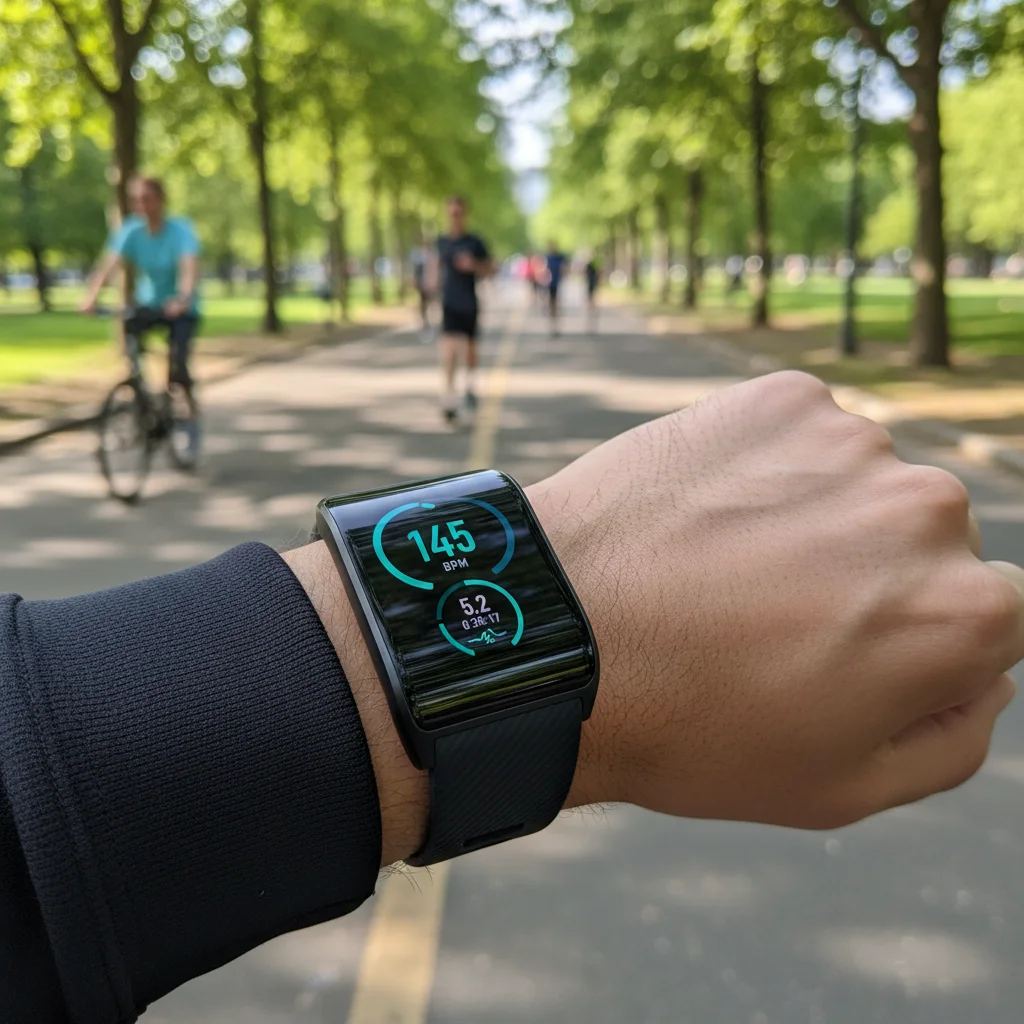
In 2026, wearable biometric trackers have evolved far beyond simple step counters. These sophisticated connected health tools are now miniature diagnostic centers, offering a continuous stream of vital health data directly from your wrist or other body parts. They seamlessly integrate into daily life, providing insights into cardiovascular health, sleep quality, stress levels, and even early signs of illness.
Current wearables track heart rate, sleep cycles, and activity. By 2026, these devices incorporate advanced sensors capable of non-invasively monitoring blood glucose levels, blood pressure, and even early indicators of viral infections through subtle physiological changes. Imagine a smartwatch that alerts you to a potential cold before you even feel the symptoms, prompting you to rest and hydrate, or a ring that detects early signs of cardiovascular strain, recommending a consultation with your doctor.
The data collected by these trackers is not merely raw information; it’s processed and analyzed by on-device AI and cloud-based algorithms to provide personalized feedback and recommendations. For instance, if your sleep quality declines consistently, the tracker might suggest adjustments to your evening routine or recommend specific meditation exercises. If your stress levels are elevated, it could prompt breathing exercises or suggest taking a break.
Interoperability is a key feature. These advanced trackers connect effortlessly with other connected health tools, such as smart scales, smart home devices, and even electronic health records (EHRs). This creates a comprehensive health profile that can be securely shared with healthcare providers, enabling more informed clinical decisions and personalized treatment plans. The integration with smart home ecosystems can also lead to automated adjustments, such as optimizing room temperature for better sleep based on your biometric data.
The design of these wearables is also becoming increasingly discreet and fashionable, moving away from bulky gadgets to elegant accessories that users are proud to wear. This widespread adoption is crucial for continuous data collection and sustained engagement with personal health management. The focus is on making health tracking an effortless and integrated part of one’s lifestyle, rather than a chore.
Digital Tool 2: AI-Powered Personal Health Assistants
The proliferation of AI has given rise to a new generation of connected health tools: AI-powered personal health assistants. These sophisticated digital companions go beyond simple information retrieval, offering personalized guidance, health coaching, and even predictive analytics to help individuals navigate their wellness journey. In 2026, these assistants are indispensable for proactive health management.
These AI assistants leverage machine learning to analyze vast datasets, including your personal health records, genetic information (with consent), lifestyle choices, and data from your wearable devices. They can identify patterns, predict potential health risks, and offer tailored recommendations. For example, an AI assistant might analyze your dietary habits and activity levels to suggest a personalized meal plan or exercise regimen that aligns with your health goals and genetic predispositions.
Beyond personalized advice, these assistants act as intelligent health coaches. They can remind you to take medication, schedule appointments, track your progress towards fitness goals, and even offer emotional support and mindfulness exercises. Their ability to engage in natural language conversations makes interactions intuitive and user-friendly, feeling more like talking to a knowledgeable friend than a cold algorithm.
One of the most significant advancements is their capacity for predictive modeling. By analyzing historical data and current trends, these AI assistants can flag potential health issues before they become serious. For instance, if your sleep patterns, stress levels, and heart rate variability indicate an increased risk of burnout, the assistant might proactively suggest strategies for stress reduction and work-life balance, or even recommend a consultation with a mental health professional.
Integration with other connected health tools is seamless. The AI assistant acts as a central hub, orchestrating data from all your devices and presenting a unified, actionable health overview. This comprehensive approach ensures that no piece of data is isolated, leading to more accurate insights and more effective interventions. The future of personal health management is undoubtedly rooted in the intelligent guidance provided by these AI companions.
Digital Tool 3: Telehealth and Remote Monitoring Platforms
The global health landscape has accelerated the adoption of telehealth, and by 2026, these platforms have become a cornerstone of connected health tools. Remote monitoring and virtual consultations are no longer niche services but integral components of primary care, specialist consultations, and chronic disease management. This revolutionizes access to healthcare, especially for underserved populations and those with mobility challenges.
Telehealth platforms in 2026 offer a rich, interactive experience. Beyond simple video calls, they integrate real-time biometric data from wearable devices and home diagnostic kits. During a virtual consultation, a doctor can access a patient’s continuous glucose monitoring data, blood pressure readings, or even perform a virtual auscultation using specialized remote stethoscopes. This allows for thorough assessments without the need for an in-person visit.
Remote patient monitoring (RPM) is particularly transformative for chronic conditions like diabetes, heart disease, and hypertension. Patients can use specialized connected health tools at home that transmit vital signs and other relevant data directly to their healthcare team. AI algorithms continuously analyze this data, alerting clinicians to any concerning trends or deviations, allowing for timely adjustments to treatment plans and preventing hospitalizations.
The convenience factor is immense. Patients can receive expert medical advice from the comfort of their homes, reducing travel time, wait times, and exposure to infectious diseases. This democratizes access to specialists, allowing individuals in rural areas or those with limited mobility to connect with top-tier medical professionals regardless of geographical barriers. Mental health services have also seen a massive boost through telehealth, providing discreet and accessible support.
Furthermore, these platforms facilitate continuous communication between patients and providers. Secure messaging, prescription management, and appointment scheduling are all integrated, creating a seamless and efficient healthcare experience. The focus is on empowering patients with greater control over their care while providing clinicians with the data and tools needed to deliver high-quality, personalized medicine.

Digital Tool 4: Gamified Health & Wellness Apps with Social Integration
Engagement is key to sustained wellness, and in 2026, gamified health and wellness apps stand out among connected health tools for their ability to motivate and retain users. These applications leverage principles from gaming – challenges, rewards, leaderboards, and social interaction – to make healthy habits enjoyable and sustainable. They transform mundane health routines into engaging experiences.
These apps go beyond simple activity tracking. They offer personalized challenges based on individual goals, whether it’s achieving a certain number of steps, maintaining a consistent sleep schedule, or adhering to a specific dietary plan. Users earn points, badges, or virtual rewards for reaching milestones, fostering a sense of accomplishment and encouraging continued participation. The reward system is often tailored to individual preferences, making the incentives more meaningful.
Social integration is a powerful motivator. Users can connect with friends, family, or online communities within the app, sharing their progress, participating in group challenges, and offering mutual support. This peer-to-peer encouragement and healthy competition create a strong incentive to stay committed to wellness goals. Imagine competing with friends on a virtual leaderboard for daily step count or sharing healthy recipe achievements.
Beyond direct competition, social features also foster a sense of community and shared purpose. Users can exchange tips, celebrate successes, and offer encouragement during setbacks. This supportive environment is particularly beneficial for individuals struggling with motivation or seeking accountability in their health journey. The apps often include features for virtual team challenges, further enhancing engagement and camaraderie.
The data from these gamified apps often integrates with other connected health tools, such as wearable trackers, providing a holistic view of progress. For example, your fitness app might pull sleep data from your smartwatch to adjust your daily activity goals, ensuring they are realistic and sustainable. This seamless data exchange enhances the accuracy of challenges and recommendations, making the gamified experience even more effective.
Furthermore, these apps are increasingly incorporating augmented reality (AR) and virtual reality (VR) elements to create immersive fitness experiences. Imagine a VR fitness game that transports you to a virtual world for your daily workout, or an AR app that overlays healthy eating challenges onto your kitchen environment. These innovations are making wellness more interactive and exciting than ever before.
The Broader Impact and Future Outlook of Connected Health Tools
The impact of connected health tools extends far beyond individual wellness, influencing public health, healthcare systems, and even economic development. In 2026, these tools are not just improving personal lives but also contributing to a healthier, more resilient society.
From a public health perspective, aggregated anonymized data from these tools can provide invaluable insights into population health trends, disease outbreaks, and the effectiveness of public health interventions. This data can inform policy decisions, resource allocation, and targeted health campaigns, leading to more efficient and impactful public health strategies. For example, widespread adoption of fever-tracking wearables could provide early warnings of influenza outbreaks.
For healthcare systems, the shift towards proactive and preventive care facilitated by connected health tools promises to reduce the burden on hospitals and emergency services. By managing chronic conditions more effectively and preventing acute episodes, healthcare resources can be reallocated to other critical areas. The efficiency gained through telehealth and remote monitoring also contributes to a more sustainable healthcare model.
Economically, the connected health tools market is a burgeoning industry, driving innovation, creating jobs, and attracting significant investment. The development of new sensors, AI algorithms, and user-friendly interfaces fuels economic growth and technological advancement. This also creates opportunities for new business models in personalized health services and digital therapeutics.
However, the widespread adoption of these technologies also brings challenges. Ensuring equitable access to connected health tools across different socioeconomic groups is crucial to prevent exacerbating existing health disparities. Addressing concerns around data privacy, cybersecurity, and algorithmic bias remains paramount to building trust and ensuring ethical use of these powerful innovations.
Looking ahead, the integration of connected health tools with personalized medicine, genomics, and advanced biotechnologies promises even more profound transformations. Imagine a future where your health plan is not only tailored to your lifestyle but also to your unique genetic makeup, with interventions precisely targeted at a molecular level. The potential for truly individualized, preventive healthcare is immense.
Conclusion: Embracing the Connected Health Revolution
The year 2026 marks a pivotal moment in the evolution of personal wellness, largely driven by the transformative power of connected health tools. From advanced wearable biometric trackers that continuously monitor our vital signs to AI-powered personal health assistants that offer tailored guidance, telehealth platforms that democratize access to care, and gamified apps that make wellness engaging, these digital innovations are fundamentally reshaping our relationship with health.
These tools empower individuals to take an active, informed, and proactive role in managing their well-being. They move us beyond reactive treatment towards a future of continuous monitoring, personalized prevention, and holistic health optimization. The seamless integration of data, the intelligence of AI, and the accessibility of digital platforms are creating a healthcare experience that is more efficient, effective, and ultimately, more human-centric.
As we continue to navigate the complexities of modern life, the importance of robust and intuitive connected health tools will only grow. They represent not just an advancement in technology, but a paradigm shift in how we approach health – from a periodic concern to a continuous, integrated aspect of our daily lives. Embracing this revolution is key to unlocking a future where personal wellness is not just an aspiration, but an achievable reality for everyone.
The journey towards a fully connected health ecosystem is ongoing, with continuous innovation promising even more sophisticated and beneficial tools on the horizon. By understanding and utilizing these advancements, we can collectively build a healthier, more resilient, and more informed society, one individual at a time. The future of wellness is connected, and it’s happening now.