Future of Remote Work: 7 Digital Lifestyle Shifts by 2026
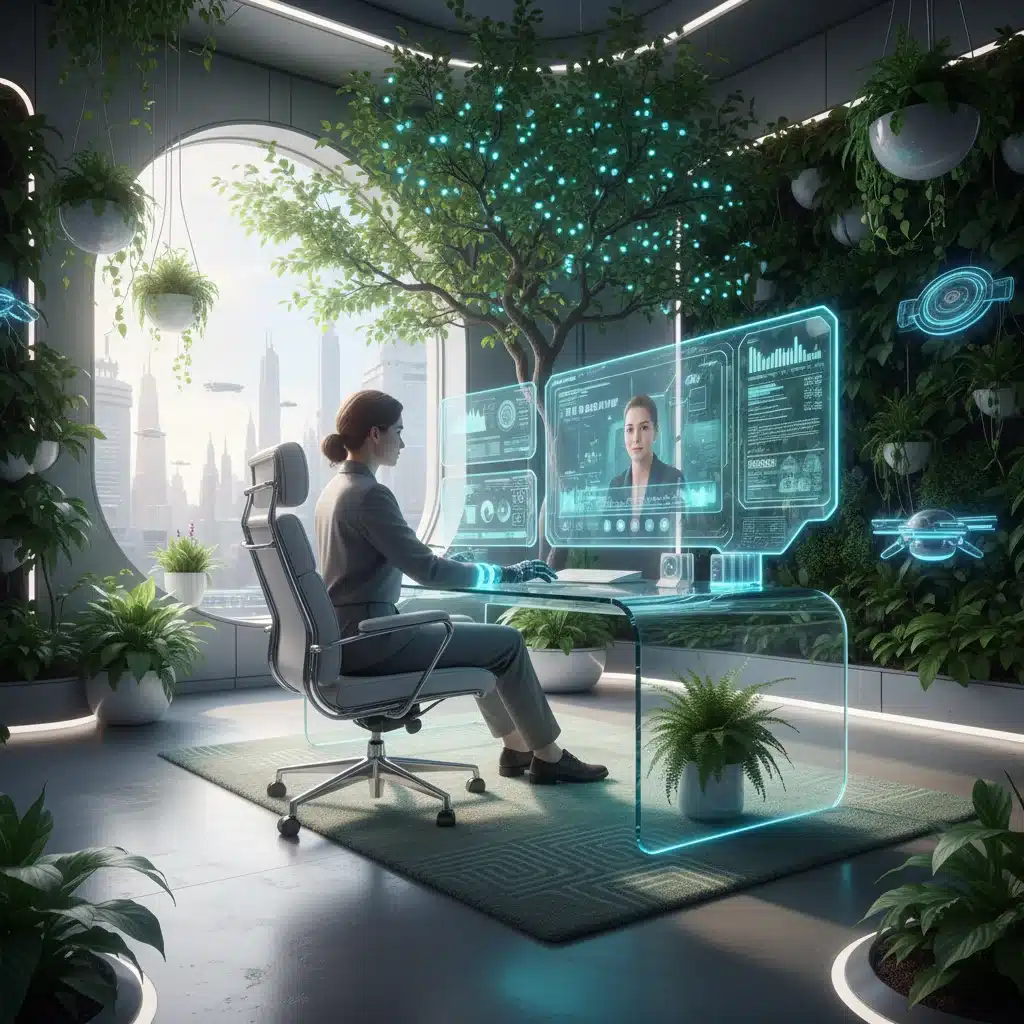
The global workforce has undergone a seismic shift in recent years, propelled by technological advancements and unforeseen global events. What began as a necessity has rapidly evolved into a preferred mode of operation for millions, fundamentally reshaping our understanding of where, when, and how we work. As we look towards late 2026, the trajectory of the remote work future is becoming clearer, marked by profound digital lifestyle shifts that will redefine professional and personal boundaries. This article delves into seven critical transformations, offering insider knowledge on what to expect and how to prepare for this inevitable evolution.
The concept of a traditional 9-to-5, office-bound job is increasingly becoming a relic of the past. The flexibility and autonomy offered by remote work have proven to be powerful attractors, not just for employees seeking a better work-life balance, but also for companies recognizing the benefits of a global talent pool and reduced overheads. However, the journey to a fully optimized remote work future is not without its challenges and continuous adaptations. By 2026, we anticipate a more mature, integrated, and technologically sophisticated remote work ecosystem.
1. The Pervasive Rise of the Hybrid Work Model
While fully remote setups have gained significant traction, the dominant paradigm for the remote work future by 2026 is undoubtedly the hybrid model. This approach seeks to marry the best aspects of both in-office and remote work, offering employees the flexibility to choose where they are most productive, while still fostering a sense of community and collaboration that in-person interactions often provide. Companies are actively experimenting with various hybrid configurations – from mandated in-office days to fully flexible arrangements – to find the optimal balance.
The success of hybrid work hinges on several factors, including robust technological infrastructure, clear communication protocols, and a culture of trust. By 2026, we will see highly sophisticated scheduling tools, smart office spaces equipped with advanced videoconferencing capabilities, and AI-powered assistants facilitating seamless transitions between physical and virtual environments. The goal is to create an equitable experience for all employees, regardless of their location on any given day. This shift isn’t just about logistics; it’s about redefining the purpose of the physical office as a hub for innovation, collaboration, and social connection, rather than merely a place for individual desk work. The remote work future is inherently hybrid.
Navigating the Hybrid Landscape
Organizations will need to invest heavily in training managers to lead effectively in a hybrid environment, emphasizing empathy, clear goal setting, and performance-based evaluations over presenteeism. Employees, too, will need to develop new skills, particularly in self-management, digital communication etiquette, and leveraging collaborative technologies. The traditional office will transform into a ‘destination’ for specific activities, such as team-building events, strategic planning sessions, and client meetings, rather than a daily commute requirement.
2. AI and Automation as Co-Workers
The integration of Artificial Intelligence (AI) and automation is not a distant dream but a rapidly unfolding reality that will profoundly impact the remote work future. By 2026, AI will move beyond simple task automation to become an integral part of daily workflows, acting as intelligent assistants, data analysts, and even creative collaborators. This will free up human workers from repetitive, mundane tasks, allowing them to focus on higher-value, more strategic, and creative endeavors.
Imagine AI tools handling scheduling, drafting initial emails, summarizing lengthy documents, and even providing real-time feedback on presentations. This augmentation will not only boost productivity but also enhance the quality of work by providing insights that human analysis alone might miss. Concerns about AI replacing human jobs will persist, but the more realistic outcome for the remote work future is a symbiotic relationship where AI enhances human capabilities, making work more efficient and engaging. This shift demands that workers develop AI literacy and adapt their skills to collaborate effectively with intelligent systems.
Ethical Considerations and Skill Development
As AI becomes more embedded, ethical considerations around data privacy, algorithmic bias, and job displacement will become paramount. Companies and policymakers will need to establish clear guidelines and regulations. For individuals, developing ‘human’ skills such as critical thinking, emotional intelligence, creativity, and complex problem-solving will become even more valuable, as these are areas where AI still lags significantly. The ability to leverage AI tools effectively will be a key differentiator in the job market of 2026.
3. The Normalization of Digital Nomadism and ‘Work from Anywhere’
The COVID-19 pandemic inadvertently accelerated the digital nomad movement, demonstrating that work can truly be done from anywhere with a reliable internet connection. By 2026, digital nomadism will shed its niche status and become a widely accepted, and even encouraged, lifestyle choice for many professionals. Companies will increasingly offer ‘work from anywhere’ policies, recognizing the benefits of attracting top talent without geographical constraints and fostering employee satisfaction.
This trend will necessitate significant changes in corporate policies regarding taxation, legal compliance, and employee benefits, as workers might be operating across different time zones and national jurisdictions. Specialized service providers catering to digital nomads, offering co-working spaces, legal advice, and community support in various global locations, will proliferate. The remote work future will see a rise in ‘workcations’ and extended stays in different countries, blurring the lines between travel and work, and enriching personal experiences while maintaining professional productivity.
Infrastructure and Support for Nomads
For this shift to be sustainable, robust global internet infrastructure, reliable cybersecurity measures, and accessible digital health services will be crucial. Companies will need to develop strategies to maintain team cohesion and corporate culture across widely distributed teams, utilizing advanced virtual collaboration tools and regular virtual social events. The focus will be on output and impact, rather than hours clocked or physical presence, further solidifying the performance-oriented nature of the remote work future.
4. Hyper-Personalized Workflows and Tools
One size will no longer fit all in the remote work future. By 2026, we will see an explosion of hyper-personalized workflows and tools tailored to individual preferences, roles, and even cognitive styles. Instead of being confined to a rigid suite of company-mandated software, employees will have access to a curated ecosystem of applications and platforms that optimize their personal productivity and collaboration methods.
This personalization will extend to how information is consumed, tasks are managed, and communication occurs. AI will play a pivotal role here, learning individual work habits and suggesting optimal tools, notification settings, and even ideal working hours. The goal is to minimize digital fatigue and maximize focus, allowing each worker to craft an environment that best suits their unique needs. This level of customization will foster greater autonomy and job satisfaction, which are critical components of a successful remote work future.
The Challenge of Integration and Security
While personalization offers immense benefits, it also presents challenges in terms of system integration, data security, and IT management. Companies will need to implement robust IT governance frameworks that allow for flexibility while maintaining security and compliance. Platform-agnostic tools and APIs will become standard, enabling seamless data flow between disparate applications. The emphasis will be on creating a secure, yet highly adaptable, digital workspace.
5. The Emergence of the ‘Virtual Water Cooler’ 2.0
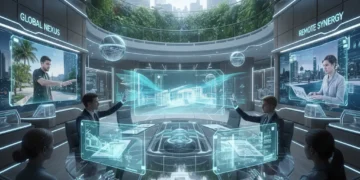
One of the persistent challenges of remote work has been replicating the spontaneous, informal interactions that happen at a physical office’s water cooler or coffee machine. These seemingly trivial moments are crucial for building camaraderie, fostering innovation, and strengthening company culture. By 2026, the remote work future will have developed sophisticated solutions for the ‘virtual water cooler’ 2.0.
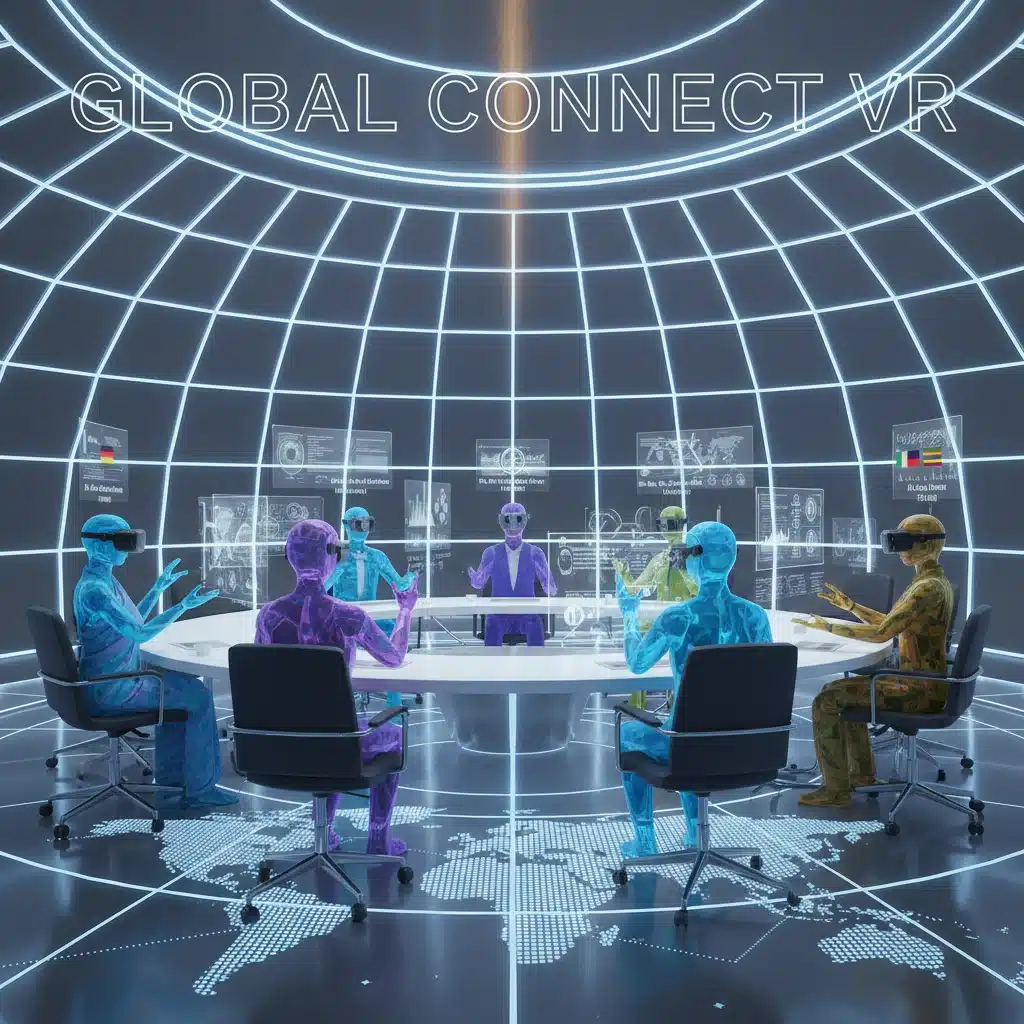
These won’t just be scheduled video calls; they will involve advanced virtual reality (VR) and augmented reality (AR) platforms designed to create immersive, interactive social spaces. Imagine stepping into a virtual office lobby to chat with colleagues, attending a virtual company picnic, or participating in a spontaneous brainstorming session in a shared digital whiteboard environment. These technologies will aim to reduce feelings of isolation and enhance social connection, making remote teams feel more cohesive and engaged. The key is to make these interactions feel natural and organic, rather than forced or artificial, truly enriching the social fabric of the remote work future.
Designing for Spontaneity and Connection
The success of Virtual Water Cooler 2.0 will depend on intuitive user interfaces, engaging virtual environments, and a company culture that actively encourages and rewards participation in these non-work-related interactions. Gamification elements might be introduced to make these virtual social spaces more appealing. The focus will be on creating opportunities for serendipitous encounters and informal knowledge sharing, bridging the social gap that remote work can sometimes create.
6. Reimagined Work-Life Integration, Not Just Balance
The traditional concept of ‘work-life balance’ often implies a strict separation between professional and personal spheres, a notion that becomes increasingly difficult to maintain in a remote setting. By 2026, the remote work future will champion ‘work-life integration,’ where professional and personal lives are thoughtfully interwoven to create a more harmonious and fulfilling existence. This isn’t about working all the time; it’s about having the flexibility to seamlessly blend responsibilities.
This shift means taking a break to attend a child’s school event in the middle of the day and catching up on work later in the evening, or scheduling personal appointments without the stress of a commute. It’s about designing a workday that aligns with individual energy levels and personal commitments, leading to reduced stress and increased overall well-being. Companies will support this by offering flexible hours, asynchronous communication norms, and a focus on results rather than hours spent online. The remote work future demands a more fluid approach to time and tasks.

Tools and Policies for Integration
Technology will facilitate this integration through advanced scheduling tools, communication platforms that respect different time zones, and personal productivity apps. More importantly, company policies will evolve to explicitly support flexible work arrangements, mental health resources, and a culture that trusts employees to manage their time effectively. This proactive approach to well-being will be a hallmark of progressive organizations in the remote work future.
7. The Gig Economy’s Evolution into a Specialized Freelance Ecosystem
The gig economy has been a significant precursor to the widespread adoption of remote work. By 2026, we anticipate its evolution into a more sophisticated and specialized freelance ecosystem, deeply intertwined with the remote work future. Instead of generalist gig workers, we will see highly skilled professionals offering their expertise on a project basis, often to multiple clients simultaneously, leveraging advanced platforms and AI-powered matching services.
This shift will be driven by companies seeking specialized skills on demand without the overheads of full-time employment, and by professionals desiring greater autonomy, variety, and higher earning potential. Platforms will emerge that go beyond simple job boards, offering comprehensive project management, secure payment systems, and even skill development resources for freelancers. The lines between ’employee’ and ‘contractor’ will become increasingly blurred, with many professionals opting for a portfolio career built around diverse freelance engagements. This is a fundamental aspect of the evolving remote work future.
Empowering the Freelance Professional
For freelancers, this means a greater need for personal branding, continuous skill development, and robust financial planning. For companies, it offers unprecedented flexibility in scaling teams up or down based on project needs and accessing global expertise. Legal and financial frameworks will adapt to support this growing segment of the workforce, offering new models for benefits, taxation, and intellectual property. The specialized freelance ecosystem will be a cornerstone of the dynamic remote work future.
Conclusion: Embracing the Evolving Remote Work Future
The remote work future by late 2026 is not merely a continuation of current trends; it’s a profound transformation of how we conceptualize and execute work. From the pervasive hybrid model and the seamless integration of AI to the normalization of digital nomadism and hyper-personalized workflows, these shifts will redefine productivity, collaboration, and well-being. The emergence of ‘Virtual Water Cooler’ 2.0 and a specialized freelance ecosystem further underscore the comprehensive nature of this evolution.
For individuals, adapting to these changes means cultivating new skills, embracing lifelong learning, and proactively designing a work-life integration that aligns with personal values. For organizations, it demands strategic investments in technology, a commitment to fostering inclusive and flexible cultures, and a willingness to challenge traditional notions of work. The companies and professionals who proactively embrace these digital lifestyle shifts will not only survive but thrive in the dynamic landscape of the remote work future. The time to prepare for this exciting new era of work is now.