Bridging Social Gaps: Online Communities to Offline Connections in 2026
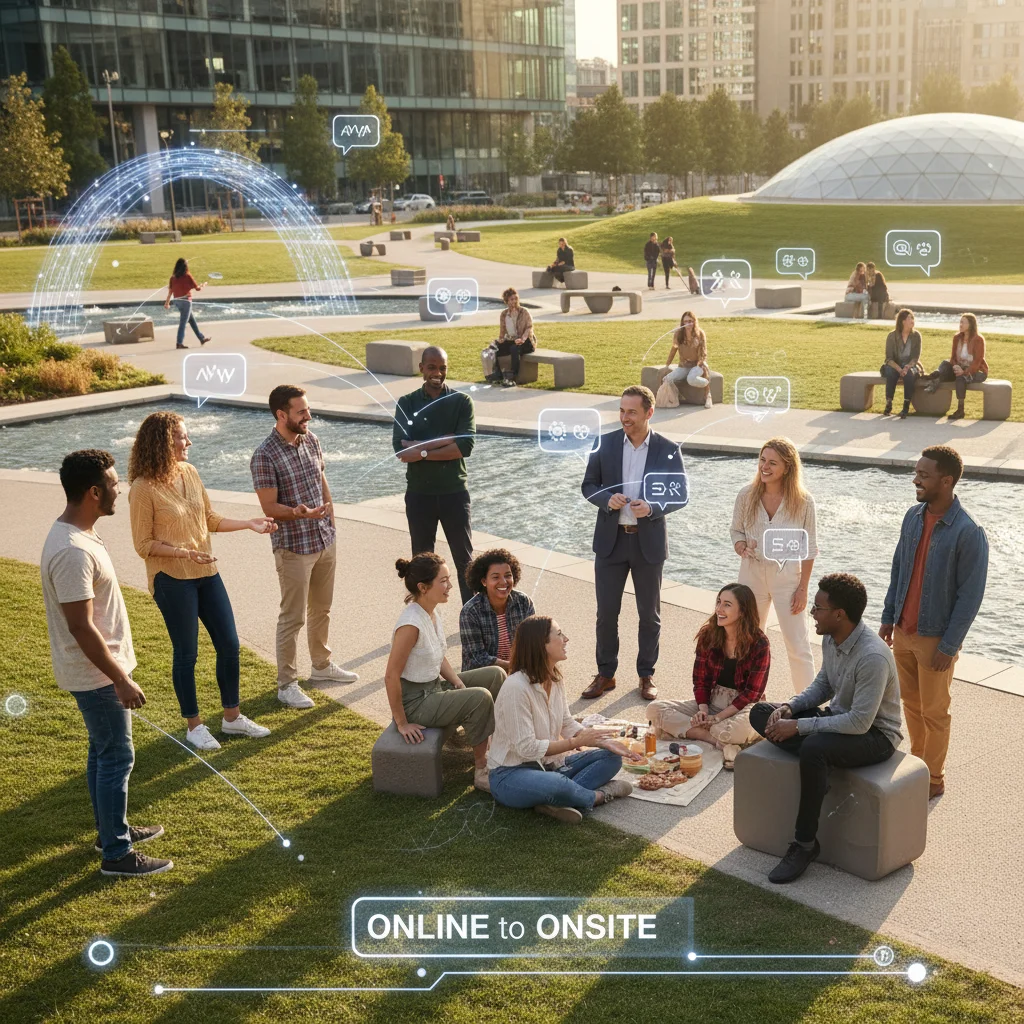
From Online to Offline: How Digital Communities are Bridging Social Gaps in 2026 for Over 30% of Americans
In an increasingly interconnected yet paradoxically isolated world, the role of online communities bridging social gaps has never been more critical. What once began as niche forums and interest groups has evolved into a powerful force for fostering genuine human connection, transcending geographical boundaries and traditional social structures. By 2026, projections indicate that over 30% of Americans will actively participate in and benefit from these digital-to-physical social bridges, fundamentally reshaping how we form relationships and build support networks. This article delves into the transformative power of these communities, exploring their evolution, impact, and the exciting future they hold.
The Evolution of Digital Socialization: From Chat Rooms to Real-World Meetups
Remember the early days of the internet, with rudimentary chat rooms and bulletin boards? While these platforms offered a glimpse into the potential of online interaction, they were often characterized by anonymity and superficiality. Fast forward to today, and the landscape is dramatically different. Modern online communities bridging divides are sophisticated ecosystems, built on shared passions, mutual support, and a collective desire for authentic connection. Platforms like Reddit, specialized Facebook groups, Discord servers, and even gaming communities have moved beyond mere digital interaction to become catalysts for real-world engagement.
The shift is profound. Users are no longer content with just digital likes or comments; they crave deeper, more tangible interactions. This desire has fueled the growth of countless groups dedicated to everything from local hiking trails and specific craft hobbies to support networks for rare conditions and professional development. The beauty lies in their accessibility: individuals who might struggle to find like-minded people in their immediate physical vicinity can now connect with thousands, if not millions, globally. This global reach, however, is increasingly being leveraged to create hyper-local, physical connections.
Consider the rise of meetup groups organized through platforms like Meetup.com, which has facilitated millions of real-world events. These are not merely digital spaces; they are launchpads for physical gatherings, ranging from book clubs and photography walks to coding workshops and volunteer initiatives. The trust and familiarity built online often translate seamlessly into warmer, more immediate interactions when members finally meet in person. This evolution underscores a fundamental human need for belonging, a need that digital platforms are now uniquely positioned to help fulfill by acting as powerful conduits for online communities bridging people together in tangible ways.
Why Are Online Communities So Effective at Bridging Social Gaps?
The efficacy of online communities bridging social gaps stems from several key factors. Firstly, they offer a low-barrier entry point for individuals who might be shy, socially anxious, or simply new to a particular area. Engaging in a digital space allows for a gradual introduction, enabling individuals to observe, learn, and contribute at their own pace before committing to an in-person interaction. This psychological safety net is invaluable for fostering confidence and encouraging participation.
Secondly, these communities are often built around highly specific interests. Unlike broader social circles, where finding common ground can be challenging, online groups pre-select for shared passions. This inherent commonality acts as a powerful adhesive, making conversations flow more easily and connections feel more authentic from the outset. Whether it’s a shared love for vintage video games, a commitment to sustainable living, or navigating the complexities of a specific career path, these shared interests provide a solid foundation for meaningful relationships.
Thirdly, the asynchronous nature of online communication provides flexibility. People can engage when it suits them, contributing to discussions or planning events without the immediate pressure of real-time interaction. This flexibility is particularly beneficial for individuals with demanding schedules, diverse geographical locations, or those who simply prefer to process information before responding. When these asynchronous interactions culminate in a synchronous, real-world meeting, the prior digital engagement has already laid significant groundwork, making the face-to-face experience richer and more rewarding. This blend of digital convenience and human desire for connection is what makes online communities bridging such a potent force for social change.
The Impact on American Society: A 2026 Outlook
By 2026, the influence of online communities bridging social gaps is expected to be widespread, affecting a significant portion of the American population. The prediction that over 30% of Americans will be impacted by this trend is not merely statistical; it represents a fundamental shift in how social capital is accumulated and maintained. This impact will manifest in several critical areas:
Reduced Social Isolation and Loneliness
One of the most profound benefits is the combating of social isolation. In an age where loneliness is recognized as a public health crisis, online communities provide crucial lifelines. For elderly individuals, those in rural areas, or people with mobility challenges, these platforms offer a vital means to connect, share experiences, and feel part of something larger. The transition from digital companionship to physical meetups, even if infrequent, can significantly enhance mental well-being and reduce feelings of isolation. Imagine a senior citizen, previously homebound, now regularly attending an in-person book club organized through a local online forum. This is the tangible impact of online communities bridging gaps.
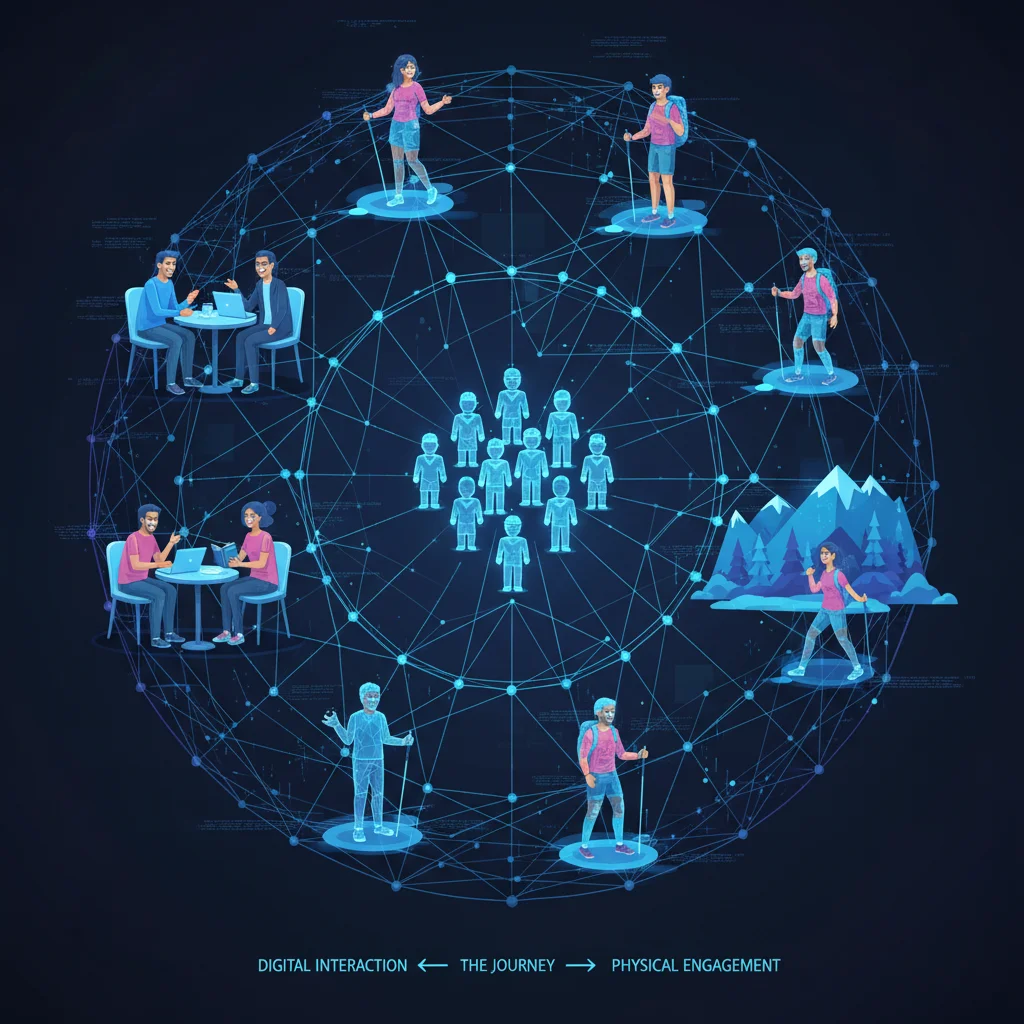
Enhanced Civic Engagement and Local Community Building
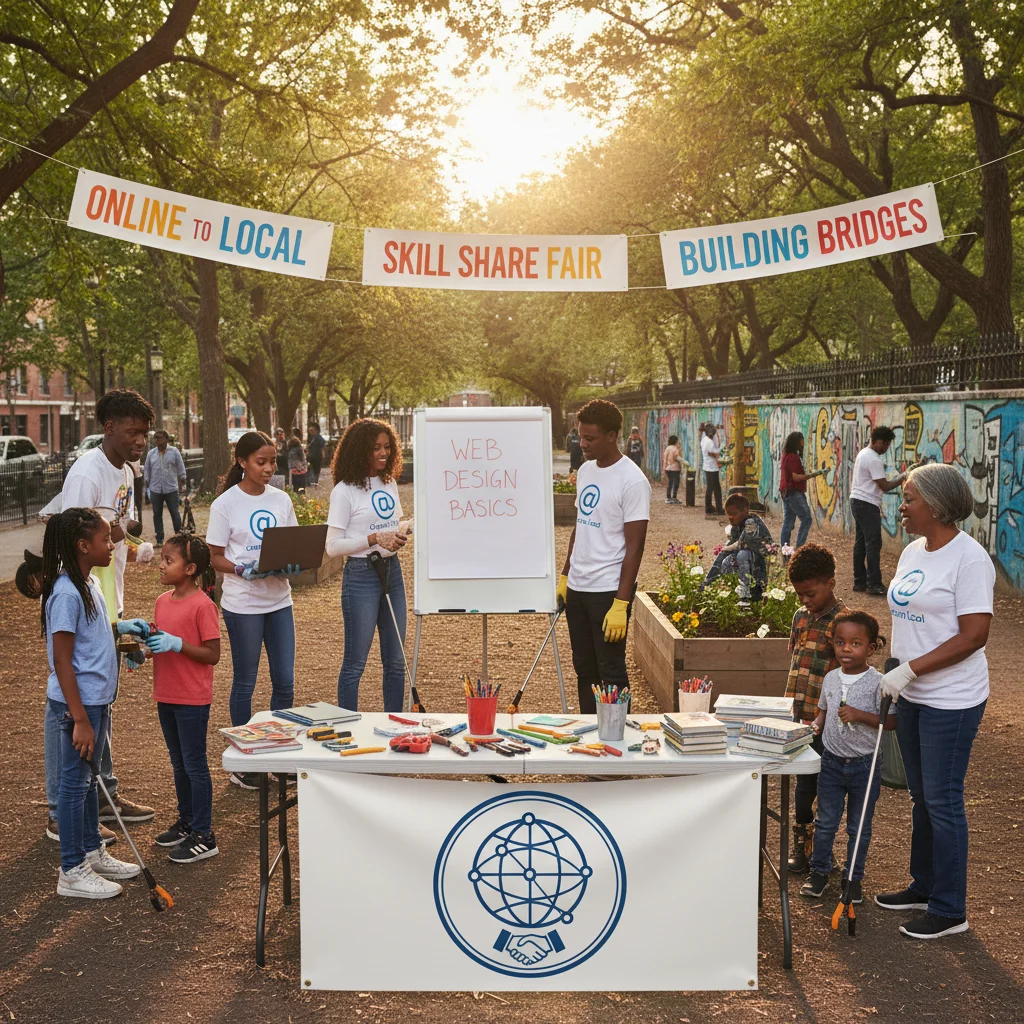
Beyond personal relationships, online communities bridging also play a pivotal role in strengthening local communities. Neighborhood-specific groups on platforms like Nextdoor or Facebook have become essential for organizing local events, sharing vital information, and mobilizing collective action. From community clean-ups and local charity drives to advocating for neighborhood improvements, these digital spaces facilitate real-world civic engagement. They empower residents to connect with their neighbors, identify shared concerns, and work collaboratively to improve their immediate environments. This grassroots activism, often initiated and coordinated online, demonstrates the tangible power of digital platforms to foster a stronger sense of local belonging and collective responsibility.
Support Networks for Marginalized and Niche Groups
For marginalized communities or individuals with very specific interests, finding support and understanding in their immediate physical environment can be challenging. Online communities provide safe havens where these groups can connect, share experiences, and find solidarity. Whether it’s a support group for a rare medical condition, a forum for LGBTQ+ youth in conservative areas, or a community for enthusiasts of an obscure hobby, these digital spaces offer invaluable emotional, informational, and social support. The subsequent ability to organize discreet or public meetups further solidifies these bonds, creating powerful real-world networks that might otherwise be impossible to form. This aspect of online communities bridging is crucial for fostering inclusivity and diversity in social interactions.
Challenges and Considerations for the Future
While the benefits are clear, the expansion of online communities bridging social gaps is not without its challenges. Issues such as digital literacy, access to technology, and the potential for misinformation or online harassment remain critical considerations. Ensuring equitable access to these platforms and fostering environments of respect and safety will be paramount to their continued success.
Furthermore, the quality of offline interactions is heavily dependent on the moderation and culture cultivated within the online space. Strong community guidelines, active moderation, and a focus on positive engagement are essential to prevent online toxicity from spilling over into real-world encounters. As these communities grow, so too will the need for robust mechanisms to ensure they remain inclusive, safe, and genuinely beneficial for all participants. The transition from online to offline requires careful navigation to maintain the integrity and positive intent of these digital connections.
Another challenge lies in managing expectations. While online connections can be incredibly powerful, they are not a panacea for all social needs. It’s important for individuals to understand that building meaningful real-world relationships still requires effort, time, and vulnerability. The online space is a facilitator, a starting point, but the sustained effort for deep connection must still occur in the physical world. Therefore, the role of online communities bridging is to initiate and support, not to entirely replace, the nuanced dynamics of human interaction.
Best Practices for Cultivating Effective Online-to-Offline Communities
For those looking to build or participate in successful online communities bridging the digital and physical worlds, several best practices can enhance the experience:
- Clear Purpose and Guidelines: Define the community’s mission and establish clear rules of engagement to foster a respectful and productive environment.
- Active Moderation: Ensure that moderators are present and active, addressing conflicts, removing inappropriate content, and guiding discussions positively.
- Encourage Real-World Meetups: Actively promote and facilitate opportunities for members to meet in person, providing logistical support and safe meeting guidelines.
- Diverse Event Offerings: Cater to various interests and comfort levels with different types of offline events, from casual coffee meetups to more structured workshops.
- Feedback Mechanisms: Implement ways for members to provide feedback on both online interactions and offline events, continuously improving the community experience.
- Celebrate Success Stories: Highlight instances where online connections have led to meaningful offline relationships or positive community impact, inspiring others.
- Digital Inclusion Efforts: Work towards making the community accessible to individuals with varying levels of digital literacy and access, potentially offering guidance or resources.
By adhering to these principles, community organizers can maximize the potential for their platforms to genuinely connect people and create lasting, positive change in the real world. The focus should always be on leveraging digital tools to enhance human connection, not to replace it.
The Future is Hybrid: Seamless Integration of Digital and Physical
Looking ahead to 2026 and beyond, the distinction between ‘online’ and ‘offline’ communities will likely become increasingly blurred. We are moving towards a hybrid model where digital platforms serve as the initial touchpoint, the organizational backbone, and the ongoing communication channel, while physical meetups provide the depth and richness of face-to-face interaction. This seamless integration will redefine what it means to be ‘socially connected’.
Imagine augmented reality (AR) tools enhancing local meetups, providing instant information about fellow attendees’ shared interests derived from their online profiles (with consent, of course). Consider AI-powered matchmaking within online communities, suggesting potential real-world connections based on deeper compatibility metrics. The possibilities are vast and exciting, promising an era where technology truly serves to amplify human connection rather than diminish it.
The success of this hybrid future hinges on our collective ability to design and utilize these platforms responsibly. Education on digital citizenship, robust privacy controls, and a continued emphasis on fostering empathy and understanding will be crucial. As online communities bridging grow in prominence, their ethical development and deployment will determine their long-term positive impact on society.
Conclusion: The Enduring Power of Connection
The journey from nascent online forums to sophisticated digital ecosystems that facilitate real-world connections is a testament to humanity’s enduring need for belonging. By 2026, the statistic that over 30% of Americans will be impacted by online communities bridging social gaps will signify more than just a trend; it will mark a significant evolution in our social fabric. These communities are not merely digital spaces; they are vibrant, dynamic incubators for real-world friendships, support systems, and collective action. They offer a powerful antidote to isolation, a platform for shared passions, and a catalyst for stronger, more engaged local and global communities.
As we navigate an increasingly complex world, the ability to find and nurture connections, both online and off, will remain paramount. The future of social interaction is undoubtedly hybrid, with digital platforms playing an indispensable role in initiating, sustaining, and enriching our human relationships. The power of online communities bridging the digital divide to create tangible, positive social impact is undeniable, promising a more connected and compassionate society for years to come.