The Rise of Micro-Communities in 2026: 3 Key Trends Shaping Digital Socialization in the US
The Rise of Micro-Communities in 2026: 3 Key Trends Shaping Digital Socialization in the US
The digital landscape is constantly evolving, and as we push further into the mid-2020s, one phenomenon stands out as particularly transformative: the exponential growth and influence of micro-communities. In 2026, these niche, interest-driven groups are not just a trend; they are fundamentally reshaping how individuals in the US connect, share, and socialize online. Gone are the days when broad social networks dominated every aspect of our digital lives. Today, people are seeking deeper, more meaningful connections, and they are finding them within the cozy, curated confines of micro-communities. This shift represents a profound re-prioritization from passive consumption to active participation, from generalized interactions to specialized engagements. Understanding these dynamics is crucial for anyone looking to navigate or contribute to the future of digital socialization.
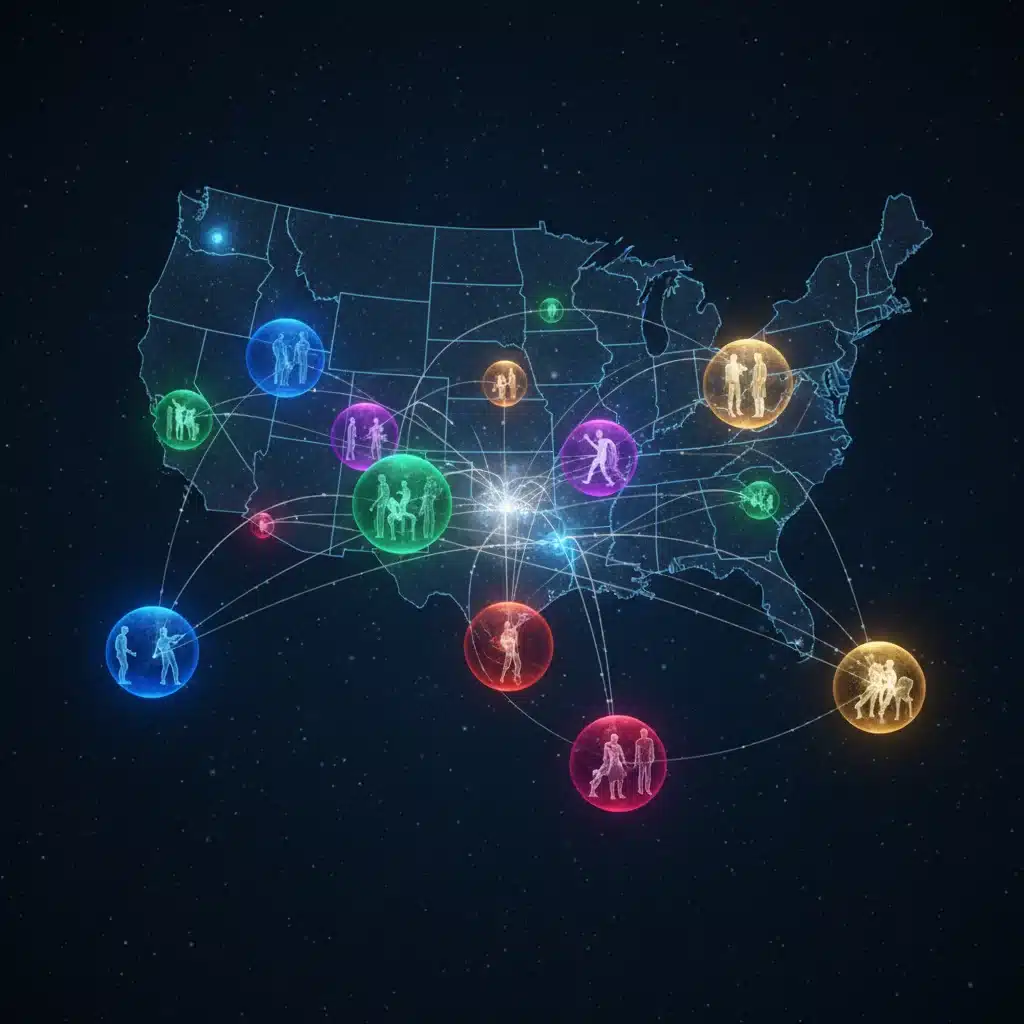
The allure of micro-communities lies in their ability to foster a sense of belonging and shared identity that larger platforms often struggle to provide. Whether it’s a Discord server dedicated to vintage video game restoration, a private Facebook group for urban gardeners in specific zip codes, or a specialized forum for indie comic book creators, these spaces offer a sanctuary for enthusiasts. They provide platforms where common interests aren’t just tolerated, but celebrated, leading to more authentic and supportive interactions. This article will delve into the three most significant trends that are propelling the rise of Micro-Communities 2026 Trends in the US, examining how they are redefining the very fabric of digital socialization.
1. Hyper-Personalization and Niche Specialization: The Era of Ultra-Specific Connections
The first and arguably most powerful trend driving the growth of micro-communities is the increasing demand for hyper-personalization and niche specialization. As digital noise intensifies, individuals are actively seeking environments where their unique interests are not just acknowledged but are the very foundation of interaction. This goes beyond broad categories like ‘gaming’ or ‘cooking’; it delves into the granular, the specific, and the passionately pursued. Think beyond general ‘tech enthusiasts’ to ‘vintage mechanical keyboard collectors’ or ‘sustainable aquaponics practitioners in arid climates.’ These ultra-specific interests, once difficult to connect over, are now the bedrock of thriving online ecosystems.
In 2026, platforms and tools are becoming increasingly sophisticated at enabling these specialized connections. AI-driven algorithms are no longer just recommending content; they are actively suggesting and helping to form new micro-communities based on complex user data, behavioral patterns, and declared interests. This means that if you’ve been heavily researching rare plant species, you might find yourself invited to a private forum discussing the propagation of Monstera deliciosa ‘Albo Variegata’ with experts from around the globe. This level of precision ensures that members are not just passive observers but active, deeply engaged participants who share a genuine passion.
The benefits of hyper-specialization are manifold. For members, it means less irrelevant content, more focused discussions, and a higher likelihood of finding like-minded individuals who truly understand their specific passions and challenges. This leads to stronger bonds, a greater sense of psychological safety, and often, faster problem-solving and knowledge sharing. For community organizers and platform developers, it means higher engagement rates, increased retention, and a more vibrant, self-sustaining community. The very definition of ‘social’ is shifting from superficial broad strokes to deeply meaningful niche interactions. This trend is not just about finding your tribe; it’s about finding your ultra-specific sub-tribe, where every member speaks the same nuanced language of passion.
Moreover, the tools facilitating these specialized groups are becoming more intuitive and accessible. From dedicated apps designed for specific hobbies to advanced filtering options within existing platforms, the barrier to entry for creating and joining hyper-niche groups is significantly lower than it once was. This ease of access fuels the proliferation of even more specialized communities, creating a rich tapestry of digital social ecosystems. The emphasis is on quality over quantity, depth over breadth, ensuring that every interaction within these micro-communities adds significant value to the members’ lives.
2. The Blurring Lines Between Online and Offline: Hybrid Community Models
The second significant trend shaping Micro-Communities 2026 Trends is the increasing integration of online and offline experiences, leading to the emergence of robust hybrid community models. The pandemic accelerated the adoption of digital tools for connection, but as society reopens and evolves, the desire for tangible, in-person interaction has not diminished; rather, it has transformed. In 2026, successful micro-communities are adept at leveraging both digital platforms for continuous engagement and physical meetups for deeper bonding and shared experiences.
Consider a micro-community centered around local craft beer brewing. While online forums, chat groups, and video calls facilitate daily discussions, recipe sharing, and troubleshooting, the true essence of the community often culminates in physical events. These might include monthly tasting sessions at a local brewery, workshops on advanced brewing techniques, or even collaborative brewing projects where members physically come together to create a unique batch. The online space serves as the connective tissue, keeping the community alive and active between physical gatherings, while the offline events provide the essential human element, solidifying relationships and creating shared memories that strengthen the group’s identity.

This hybrid approach offers the best of both worlds: the convenience and accessibility of digital communication, coupled with the richness and authenticity of face-to-face interaction. For micro-communities, this means greater resilience and a deeper sense of commitment from members. Online discussions can lead to offline friendships, which in turn enhance online engagement. This cyclical reinforcement creates a powerful feedback loop that strengthens the community as a whole. Tools that facilitate event planning, location-based meetups, and seamless transitions between virtual and physical spaces are becoming indispensable for these hybrid models.
Furthermore, this trend is empowering local micro-communities to flourish. A neighborhood book club might use an app for discussion and scheduling, but their core activity remains meeting in person. A regional hiking group organizes treks through an online portal, but the shared experience of the trail is what defines their bond. This localized hybridity is particularly strong in the US, where geographical proximity can easily translate into real-world connections. The future of digital socialization isn’t solely digital; it’s about intelligently weaving digital tools into the fabric of our physical lives to create more robust and meaningful human connections. The ease of transitioning from a lively online debate about a shared hobby to a real-world meetup to practice that hobby together is a hallmark of successful Micro-Communities 2026 Trends.
3. AI-Powered Curation and Moderation: Enhancing Safety and Engagement
The third pivotal trend influencing the landscape of micro-communities in 2026 is the sophisticated integration of AI for content curation, personalized recommendations, and, crucially, advanced moderation. As micro-communities grow in number and complexity, managing them effectively becomes a significant challenge. AI is stepping in to address these challenges, making these spaces safer, more engaging, and more efficient for both members and administrators.
On the curation front, AI algorithms are moving beyond simple keyword matching to understand the nuanced context of discussions within a micro-community. This allows for highly personalized content feeds and recommendations that genuinely align with individual members’ interests and the community’s specific focus. For example, in a micro-community dedicated to advanced theoretical physics, AI can highlight recent research papers, suggest relevant discussions, or even identify members with complementary expertise for collaborative projects, all based on their past contributions and expressed interests. This hyper-relevant content delivery significantly boosts engagement and ensures members are always presented with what matters most to them within that specific niche.
Perhaps even more critical is AI’s role in moderation. Maintaining a positive, respectful, and safe environment is paramount for the longevity and health of any micro-community. Traditional manual moderation struggles to scale with the volume and speed of online interactions. In 2026, AI-powered moderation systems are becoming increasingly adept at identifying and flagging inappropriate content, hate speech, harassment, and even subtle forms of toxicity, often before human moderators even see it. These systems can analyze sentiment, detect patterns of problematic behavior, and enforce community guidelines with greater consistency and speed.

This doesn’t mean human moderators are obsolete; rather, AI augments their capabilities, allowing them to focus on more complex cases, community building initiatives, and direct member support. AI takes care of the repetitive, high-volume tasks, freeing up human resources to foster deeper connections and strategic growth within the community. This collaborative approach between AI and human oversight ensures that micro-communities remain welcoming, productive spaces where members feel secure to express themselves and engage authentically. The ethical implications of AI in moderation are continually being addressed, with transparency and user appeal processes becoming standard features, ensuring a balance between automated efficiency and human accountability. The effective deployment of AI is a cornerstone of scalable and sustainable Micro-Communities 2026 Trends.
The Broader Impact of Micro-Communities on Digital Socialization
The three trends discussed – hyper-personalization, hybrid models, and AI-powered management – are not isolated phenomena but rather interconnected forces driving a fundamental shift in digital socialization. This shift has profound implications for individuals, businesses, and the very fabric of online interaction in the US.
For Individuals: Deeper Connections and Stronger Identities
For the average internet user, the rise of micro-communities means an escape from the overwhelming, often superficial, nature of mainstream social media. Instead of broadcasting to a wide, often indifferent audience, individuals can now engage in focused, meaningful conversations with people who genuinely share their passions. This fosters a stronger sense of belonging and validates niche interests that might otherwise feel marginalized. It’s about finding ‘your people’ and building authentic relationships based on shared values and specific pursuits. The mental health benefits of such targeted and supportive environments are significant, offering refuge from the pressures of performative online personas.
For Businesses and Brands: Authentic Engagement and Targeted Marketing
For businesses and brands, micro-communities present both a challenge and an immense opportunity. The challenge lies in moving away from broad, one-size-fits-all marketing strategies. The opportunity, however, is far greater. By identifying and engaging with relevant micro-communities, brands can cultivate incredibly loyal customer bases and gain invaluable insights into their target demographics. Sponsoring a micro-community, participating authentically, or even building one around their product or service can lead to unparalleled brand advocacy and organic growth. This isn’t about intrusive advertising; it’s about becoming a valued part of a community’s ecosystem, offering genuine value, and participating in the conversation. The return on investment for such targeted, authentic engagement often far surpasses traditional marketing efforts, as trust and credibility are built from within the community.
The Future of Digital Platforms: Adapt or Fade
Major digital platforms are also feeling the pressure and are adapting. Those that fail to integrate features supporting niche groups and personalized experiences risk losing users to more specialized alternatives. We are already seeing platforms invest heavily in group functionalities, customizability, and advanced moderation tools to accommodate the demand for micro-communities. The future success of any social platform will increasingly hinge on its ability to empower users to create and manage these smaller, more intimate spaces, rather than just serving as a broad public square. The emphasis is shifting from simply connecting people to helping people connect meaningfully.
Challenges and Considerations for Micro-Communities in 2026
While the benefits are clear, the proliferation of micro-communities also brings its own set of challenges. One concern is the potential for echo chambers, where individuals are only exposed to ideas and perspectives that reinforce their existing beliefs. While beneficial for fostering shared interests, this can sometimes limit exposure to diverse viewpoints, leading to intellectual isolation. Community leaders and platform developers must consider mechanisms to encourage healthy debate and cross-pollination of ideas without compromising the community’s core identity.
Another challenge is the ongoing battle against misinformation and harmful content. Even with advanced AI moderation, bad actors can attempt to infiltrate and disrupt micro-communities. Continuous vigilance, combined with robust reporting mechanisms and responsive human moderation, will remain critical. The balance between fostering open discussion and maintaining a safe environment is delicate and requires constant attention.
Furthermore, the sustainability of micro-communities is a key consideration. Many are born out of passion but require significant effort to maintain. Questions around funding, volunteer burnout for administrators, and the long-term viability of specialized platforms will continue to be important. Innovative models for supporting these communities, whether through member contributions, ethical sponsorships, or platform support, will be essential for their continued flourishing.
Conclusion: The Enduring Power of Niche Connections
As we look ahead to 2026, it’s clear that micro-communities are not just a fleeting trend but a fundamental reorientation of digital socialization in the US. Driven by the relentless pursuit of hyper-personalization, the desire for integrated online and offline experiences, and powered by sophisticated AI curation and moderation, these niche groups are offering a more authentic, engaging, and supportive alternative to the broad, often overwhelming, social media landscape. They are a testament to the enduring human need for belonging, for shared passion, and for meaningful connection in an increasingly digital world.
The future of online interaction is not about bigger networks; it’s about richer, more focused ones. It’s about finding your specific corner of the internet where you are truly understood and valued. For individuals, this means more fulfilling digital lives. For businesses, it means more impactful engagement. And for platforms, it means a renewed focus on enabling genuine human connection. The Micro-Communities 2026 Trends are setting the stage for a more fragmented yet infinitely more connected digital future, one where quality of interaction triumphs over mere quantity of connections.