The 2026 Impact of AI on Artistic Expression: 7 Emerging Trends in Digital Art and Music in the US
The landscape of creativity is undergoing a profound transformation, driven by the relentless advancement of Artificial Intelligence. As we look towards 2026, the influence of AI on artistic expression in the United States is not just a theoretical concept but a tangible reality, reshaping how art is created, consumed, and perceived. From generating intricate visual masterpieces to composing complex musical scores, AI is rapidly becoming an indispensable tool, collaborator, and even a creator in its own right. This paradigm shift raises fascinating questions about authorship, originality, and the very definition of art itself. The symbiosis between human ingenuity and machine capabilities is unlocking unprecedented avenues for exploration, pushing the boundaries of what is possible in the digital art and music domains. Understanding these emerging trends is crucial for artists, enthusiasts, and industry professionals alike, as they offer a glimpse into the future of creative industries.
The integration of AI into artistic processes is far from a monolithic phenomenon. Instead, it manifests in diverse forms, each with its unique implications and opportunities. We are witnessing the birth of entirely new art forms, the democratization of creative tools, and the personalization of artistic experiences on an unprecedented scale. This article delves deep into seven key emerging trends that are poised to define the 2026 impact of AI on artistic expression within the vibrant and ever-evolving cultural tapestry of the US. These trends highlight not only technological advancements but also the philosophical and practical challenges and triumphs that accompany such a revolutionary shift. Prepare to explore a future where algorithms dance with imagination, and code harmonizes with creativity, forever altering the canvas and soundstage of American art.
1. Generative AI as a Collaborative Partner in Digital Art
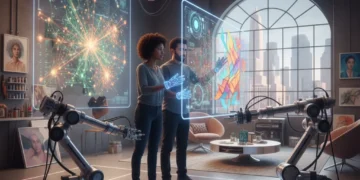
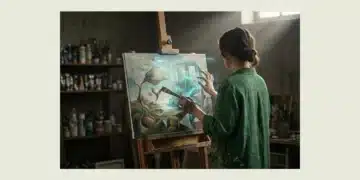
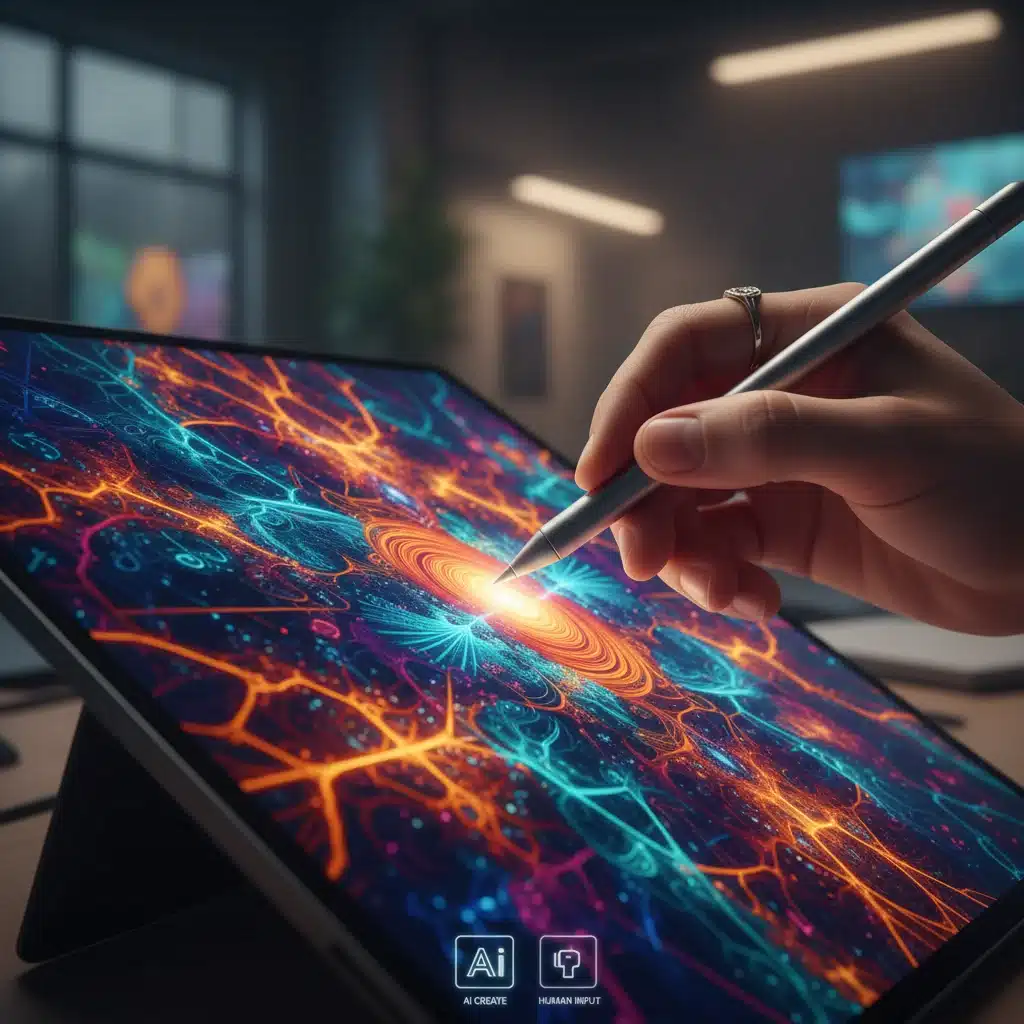
One of the most significant and rapidly evolving trends is the role of generative AI as a collaborative partner in digital art. By 2026, AI models like DALL-E, Midjourney, and Stable Diffusion will have advanced significantly, becoming even more sophisticated in their ability to interpret complex prompts and produce stunning, high-resolution imagery. This isn’t about AI replacing artists; rather, it’s about augmenting human creativity. Artists are increasingly using these tools to brainstorm ideas, generate initial concepts, or even create entire compositions that they then refine, modify, and imbue with their unique artistic vision. The collaborative aspect of AI artistic expression allows for rapid prototyping and exploration of styles that might otherwise take weeks or months to develop manually. This trend democratizes art creation, enabling individuals without traditional art training to produce visually compelling works, while simultaneously empowering seasoned artists to push their creative boundaries.
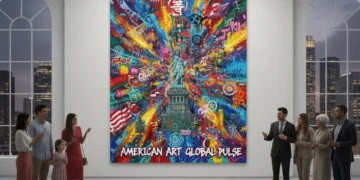
The US digital art scene is already teeming with examples of this collaboration. Galleries are showcasing AI-assisted art, and digital platforms are hosting competitions dedicated to works co-created with AI. The accessibility of these powerful tools means that the barrier to entry for digital art creation is significantly lowered, fostering a new generation of artists who blend technical prowess with imaginative storytelling. Critically, the discussion around authorship is evolving. Is the human artist merely a curator of AI outputs, or is the AI an extension of the artist’s intent? By 2026, this nuanced understanding of AI artistic expression will be more widely accepted, recognizing the intricate dance between human direction and algorithmic execution. The artist’s role shifts from sole creator to visionary director, guiding the AI to manifest their conceptual frameworks. This collaborative model is fostering innovation at an unprecedented pace, leading to entirely new aesthetic languages and visual narratives that were previously unimaginable. The iterative nature of AI generation allows for a dynamic feedback loop, where artists can continuously refine their prompts and parameters, guiding the AI towards increasingly precise and evocative results. This iterative process is not just about efficiency; it’s about expanding the creative dialogue between human and machine, leading to outputs that are truly hybrid in their origin and profoundly impactful in their presentation.
2. AI-Driven Personalization in Music Composition and Curation
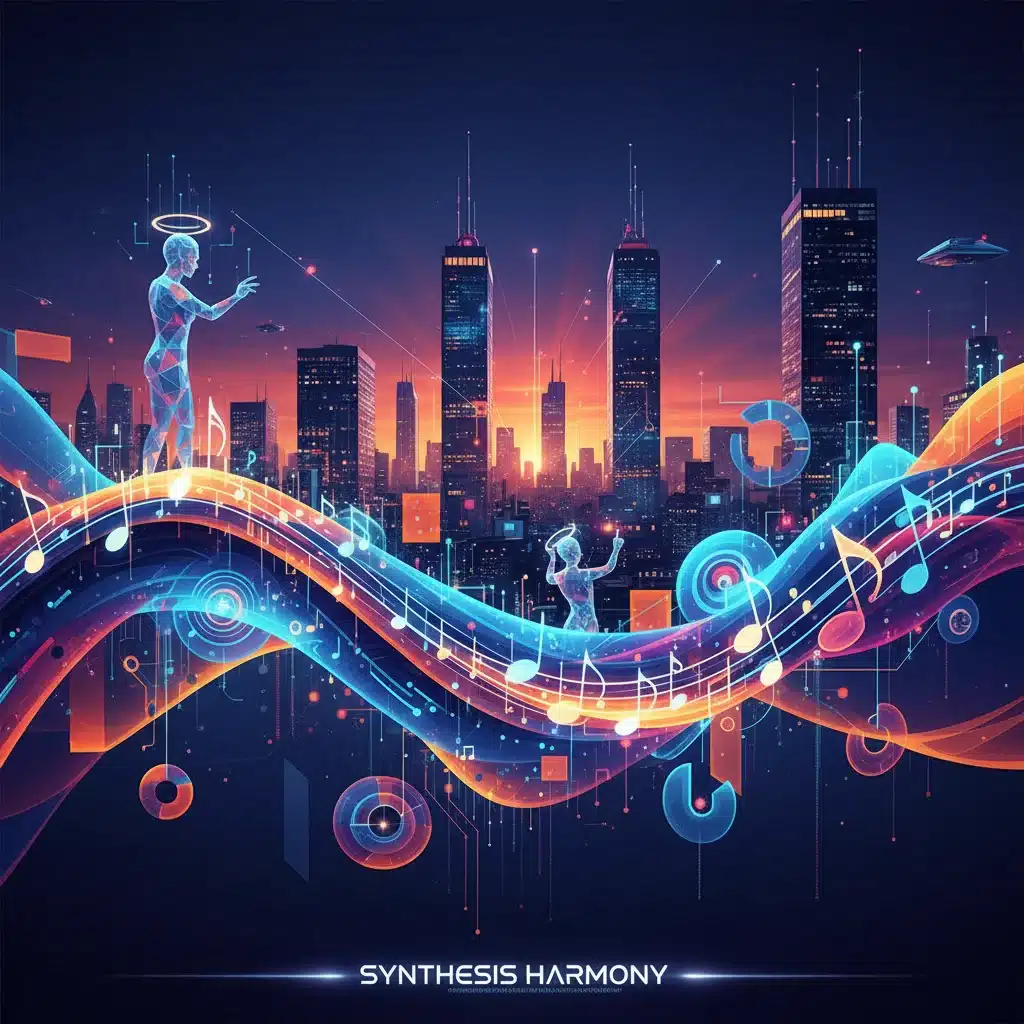
In the realm of music, AI is revolutionizing both composition and curation through unprecedented personalization. By 2026, AI algorithms will be adept at learning individual listener preferences, not just in terms of genre but also mood, tempo, instrumentation, and even emotional resonance. This will lead to highly personalized music streams that dynamically adapt to a user’s current state or activity. Imagine an AI composing a unique, ambient soundtrack for your morning commute, or a high-energy track tailored precisely to your workout routine, all based on real-time biometric data and past listening habits. This level of personalized AI artistic expression moves beyond simple playlists, venturing into generative music designed specifically for one individual.
For artists, AI tools will offer sophisticated ways to experiment with sound. AI composers can generate variations on melodies, harmonies, and rhythms, providing artists with an endless wellspring of inspiration. Musicians can feed their existing works into AI models to generate remixes, instrumental tracks, or even entirely new pieces in their signature style. This trend is particularly impactful in the US, where the music industry is constantly seeking innovative ways to engage audiences and streamline production. Independent artists can leverage AI to create high-quality backing tracks or explore complex orchestral arrangements without needing extensive traditional musical training or expensive studio resources. The ethical implications of AI-generated music, particularly regarding royalties and intellectual property, will also be a major discussion point, requiring new legal frameworks to adapt to this evolving form of AI artistic expression. The ability of AI to analyze vast datasets of musical theory and performance allows it to identify patterns and generate compositions that adhere to or deliberately break conventional rules, offering artists a powerful tool for both exploration and disruption. This means that AI isn’t just mimicking existing styles; it’s capable of proposing novel musical structures and sonic palettes that can inspire human composers to venture into uncharted creative territories. The interaction between human intuition and algorithmic logic creates a fertile ground for unprecedented musical innovation, expanding the very definition of what constitutes a musical work.
3. Immersive and Interactive AI Art Experiences
The rise of immersive technologies like Virtual Reality (VR) and Augmented Reality (AR) is converging with AI to create breathtaking interactive art experiences. By 2026, AI will power dynamic, responsive digital art installations in galleries, public spaces, and even within our homes. These installations won’t just be static displays; they will react to viewer presence, movement, and even emotional states, creating a truly personalized and evolving encounter with the artwork. Imagine walking through a digital forest where the flora and fauna adapt their appearance and behavior based on your gaze, or a musical composition that changes its melody and rhythm in response to your gestures. This form of AI artistic expression blurs the lines between observer and participant, making the audience an integral part of the creative process.
In the US, major cultural institutions and tech companies are investing heavily in these hybrid experiences. Museums are exploring AI-powered interactive exhibits that offer deeper engagement with historical art, while contemporary artists are using AI to build entirely new worlds within VR. These experiences are not merely visual; they often incorporate haptic feedback, spatial audio, and even olfactory elements, all orchestrated by AI to create a multisensory narrative. The challenge lies in designing intuitive interfaces that allow for seamless interaction without overwhelming the user. As AI models become more adept at understanding human intent and predicting user behavior, these immersive experiences will grow increasingly sophisticated, offering unparalleled opportunities for artistic exploration and audience engagement. This trend signifies a shift from passive consumption to active participation, where the artwork is not a fixed entity but a fluid, responsive environment shaped by both AI and human interaction. The potential for storytelling in these interactive environments is boundless, allowing narratives to unfold in non-linear ways, adapting to individual choices and fostering a deeper, more personal connection with the artistic content. The integration of AI also enables these experiences to evolve over time, learning from interactions and continuously refining their responses, ensuring that each encounter is unique and memorable.
4. The Emergence of AI-Generated Digital Art Marketplaces and Authenticity
As AI artistic expression proliferates, the market for AI-generated digital art is burgeoning. By 2026, we will see a significant expansion of specialized online marketplaces dedicated to selling and licensing AI-created or AI-assisted artworks. These platforms will need robust mechanisms to address authenticity, provenance, and intellectual property rights. Blockchain technology, for instance, is already being explored to create immutable records of AI artwork creation, tracking its evolution from prompt to final output and ensuring transparent ownership. The US market, known for its innovation in digital commerce, will likely lead the development of these sophisticated marketplaces.
The question of ‘who owns’ AI-generated art is complex. If an artist uses an AI tool, is the copyright solely theirs, or does the AI developer have a claim? What if the AI generates art entirely autonomously? These legal and ethical dilemmas are being actively debated and will likely lead to new legal precedents and industry standards by 2026. These marketplaces will not only facilitate transactions but also serve as curated spaces that define aesthetic quality and value in the rapidly evolving world of AI artistic expression. Furthermore, they will provide opportunities for artists to monetize their AI-assisted creations, creating new economic models for the creative economy. The demand for unique digital assets, fueled by trends like NFTs, will further accelerate the growth and sophistication of these platforms. The role of curation will also become paramount, as these marketplaces will need to distinguish between novel, innovative AI art and mere algorithmic replication, guiding collectors and enthusiasts towards works that genuinely push artistic boundaries. This discernment will be crucial in establishing the long-term value and credibility of AI art within the broader art market. The development of AI tools that can analyze and categorize art based on style, originality, and impact will also play a role in shaping these marketplaces, providing both artists and buyers with valuable insights.
5. AI in Music Production: From Mastering to Metadata
AI’s impact on music production extends far beyond composition. By 2026, AI tools will be integrated into nearly every stage of the music production pipeline, from initial recording to final mastering and distribution. AI-powered mixing and mastering algorithms will analyze tracks and automatically apply optimal equalization, compression, and effects, often achieving professional-grade results faster and more affordably than traditional methods. This democratizes high-quality production, enabling independent artists and smaller studios in the US to compete with larger labels.
Beyond the sonic aspects, AI will also play a crucial role in metadata generation and discoverability. AI algorithms can analyze a piece of music and automatically generate descriptive tags, identify key instruments, determine mood, and even predict potential audience demographics. This enhanced metadata will significantly improve how music is categorized, searched, and recommended across streaming platforms, making it easier for listeners to discover new artists and for artists to reach their target audience. The efficiency and precision offered by AI in these technical aspects of music production free up human producers and engineers to focus on the creative nuances and artistic direction, further elevating the overall quality of AI artistic expression in music. The use of AI in sound design, such as generating unique textures and atmospheric elements, will also become more prevalent, allowing musicians to expand their sonic palettes without needing extensive synthesis knowledge. This integration of AI across the production chain ensures that the technical quality of music can keep pace with creative ambition, making sophisticated sound accessible to a broader range of creators. The ability of AI to learn from vast libraries of professionally mixed and mastered tracks allows it to apply best practices and achieve a polished sound that was once the exclusive domain of highly experienced engineers. This technological leap levels the playing field, fostering a more diverse and vibrant musical ecosystem.
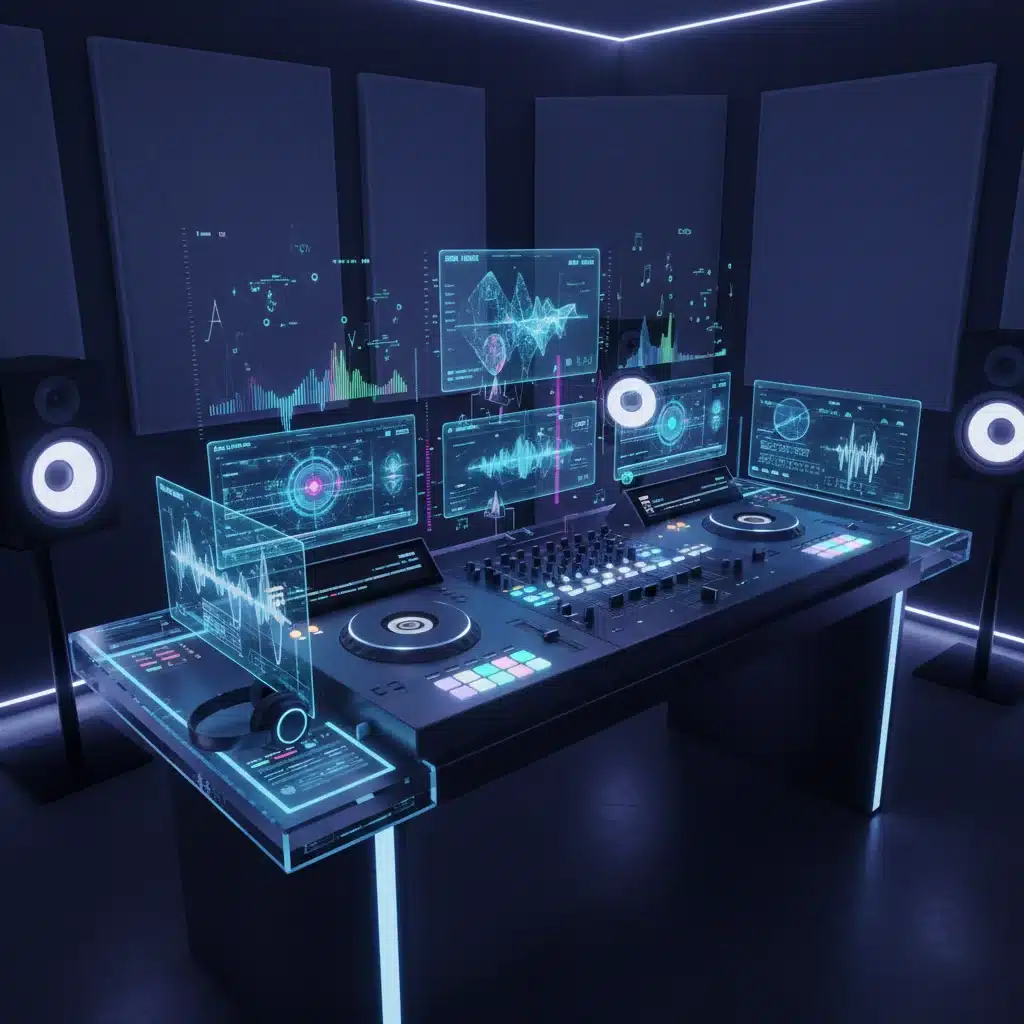
6. AI-Enhanced Performance and Live Art
The stage itself is not immune to AI’s transformative touch. By 2026, AI will increasingly enhance live performances and interactive art installations. Imagine dancers interacting with AI-generated visuals that respond to their movements in real-time, creating dynamic, ever-changing backdrops. Musicians might collaborate with AI companions that generate improvisational elements during a live show, adapting to the band’s energy and audience reaction. These AI-enhanced performances offer a new layer of spontaneity and technological spectacle, pushing the boundaries of what a live artistic experience can be.
In the US, experimental theater groups, electronic music artists, and performance artists are already exploring these possibilities. AI can control lighting, soundscapes, and projection mapping, creating immersive environments that are synchronized with human performers. The challenge lies in ensuring that the AI remains a tool for enhancement rather than a distraction, maintaining the authentic human connection that is central to live art. As AI models become more sophisticated in understanding and generating emotional responses, they will be able to contribute more nuanced and impactful elements to live performances, creating truly unforgettable moments of AI artistic expression. The integration of AI into live art also opens up possibilities for remote collaboration, where performers in different locations can interact with a shared AI-driven environment, creating a global stage without physical presence. This expands the reach and accessibility of live art, allowing diverse audiences to experience innovative performances. Furthermore, AI can personalize aspects of a live show for individual audience members, perhaps through augmented reality overlays visible through smart glasses, providing unique perspectives and information tailored to their interests. This fusion of live performance with cutting-edge AI technology promises a future where art is not just seen or heard, but deeply experienced and actively engaged with on multiple sensory and intellectual levels.
7. Ethical Considerations and the Future of Human Creativity with AI
As AI’s impact on artistic expression deepens, so too do the ethical considerations surrounding its use. By 2026, discussions around authenticity, intellectual property, bias in algorithms, and the potential displacement of human artists will be at the forefront. The US creative community is already grappling with questions of attribution: when an AI generates a piece of art or music based on existing human works, how do we ensure fair compensation and recognition for the original creators? Furthermore, AI models trained on biased datasets can inadvertently perpetuate and amplify existing biases in art and music, leading to a lack of diversity or representation. Addressing these issues requires a multi-faceted approach involving artists, technologists, policymakers, and legal experts.
The future of human creativity in an AI-dominated world is not one of obsolescence but rather evolution. AI is not replacing creativity; it is redefining it. Artists will increasingly focus on conceptualization, curation, and the unique human touch that AI cannot replicate – emotional depth, lived experience, and intentionality. The challenge for the US creative sector will be to embrace AI as a powerful tool while safeguarding the fundamental values of human artistry. Education will play a crucial role, equipping artists with the skills to effectively leverage AI and understand its limitations. By proactively addressing these ethical considerations, society can ensure that the rise of AI artistic expression leads to a more inclusive, innovative, and ethically sound creative future. This involves developing robust ethical guidelines for AI development and deployment in artistic contexts, fostering transparent practices, and ensuring that artists have agency and control over how AI interacts with their work. The ongoing dialogue around these issues will be vital in shaping a future where AI serves to amplify human creativity rather than diminish it, ensuring that the essence of artistic expression remains rooted in human experience and imagination, even as the tools we use become increasingly sophisticated.
Conclusion: A New Dawn for AI Artistic Expression
The year 2026 promises to be a pivotal moment for AI artistic expression in the United States. The seven trends outlined above paint a picture of a dynamic, rapidly evolving creative landscape where AI is not just a tool, but a catalyst for unprecedented innovation in digital art and music. From generative collaboration to personalized musical experiences, immersive installations, and enhanced live performances, AI is reshaping every facet of the artistic process and experience. While challenges related to authenticity, ethics, and intellectual property remain, the opportunities for artists to explore new creative frontiers are immense.
The future of art and music in the US will be a testament to the synergistic relationship between human imagination and artificial intelligence. It will be a future where boundaries are blurred, possibilities are expanded, and the very definition of creativity is continually redefined. Artists who embrace these technologies, understand their potential, and navigate their ethical implications will be at the forefront of this new creative dawn, leading the way in a world where AI artistic expression is not just a trend, but a fundamental pillar of modern culture. The journey ahead is one of continuous discovery, where each algorithmic brushstroke and every synthesized note contributes to a richer, more diverse, and profoundly exciting artistic world.