Real Estate Market Rebalancing: 4 Economic Factors Driving a Projected 7% Shift in U.S. Housing Prices During 2026
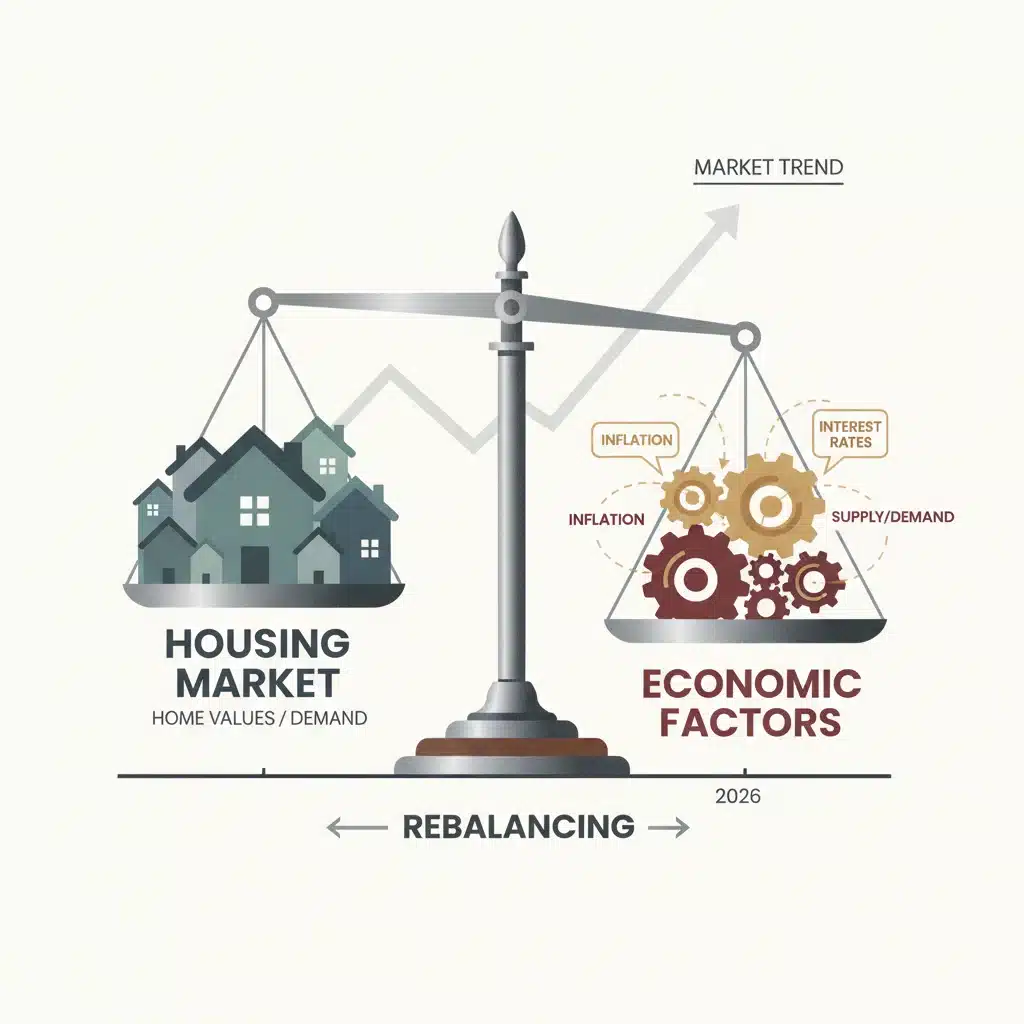
The United States housing market has been a rollercoaster of highs and lows over the past few years, leaving many homeowners, prospective buyers, and investors wondering what the future holds. After unprecedented growth, fueled by low interest rates and high demand, economists and real estate analysts are now forecasting a significant period of "housing market rebalancing." This rebalancing is projected to bring about a notable 7% shift in U.S. housing prices by 2026, a development that warrants close examination. Understanding the underlying economic factors driving this change is crucial for anyone navigating the complexities of real estate.
This comprehensive analysis will delve into the four primary economic forces shaping this projected shift: interest rates, inflation, housing inventory, and evolving demographic trends. Each of these elements plays a pivotal role, interacting in complex ways to influence affordability, demand, and ultimately, the valuation of residential properties across the nation. By dissecting these factors, we aim to provide a clearer picture of what to expect in the coming years and how to prepare for a more balanced, albeit different, housing landscape.
The Crucial Role of Interest Rates in Housing Market Rebalancing
Interest rates are arguably the most influential external factor affecting the housing market. Their movements directly impact the affordability of mortgages, which in turn dictates buyer demand and, consequently, home prices. The period of historically low interest rates, particularly during the pandemic, ignited a buying frenzy, making homeownership accessible to a broader demographic and pushing prices to record highs. However, as the Federal Reserve began its aggressive rate-hiking cycle to combat inflation, the housing market felt an immediate chill.
The Impact of Rising Rates on Affordability
When mortgage rates climb, the monthly cost of borrowing increases significantly, even if the home’s price remains constant. For example, a difference of just a few percentage points in interest rates can add hundreds, if not thousands, to a monthly mortgage payment, effectively pricing out a substantial portion of potential buyers. This reduction in purchasing power leads to a decrease in demand, forcing sellers to adjust their expectations and, in many cases, lower their asking prices. The market "rebalances" as the equilibrium between what buyers can afford and what sellers demand shifts.
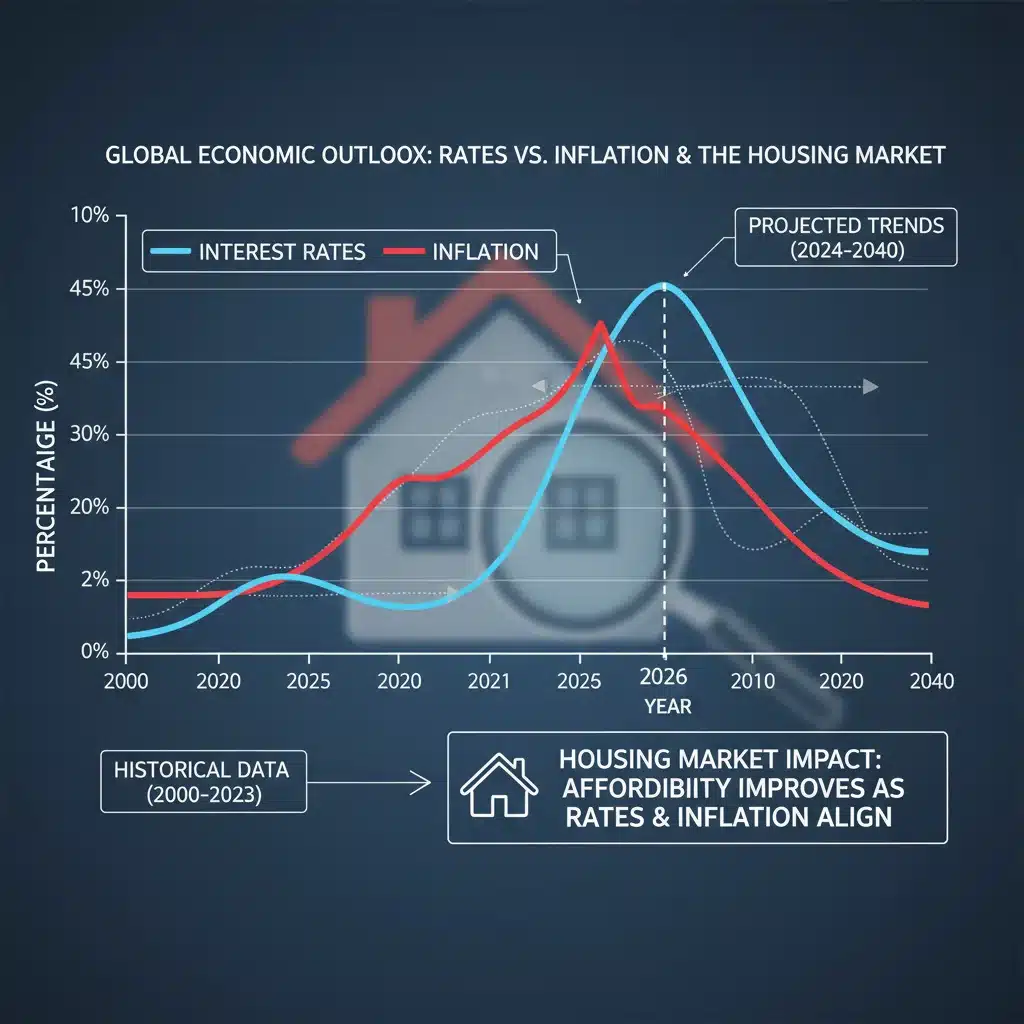
The projection of a 7% shift in housing prices by 2026 is largely predicated on the sustained impact of these higher interest rates. While the Federal Reserve may eventually ease its stance, it’s unlikely that rates will return to the ultra-low levels seen in recent years. This "new normal" for interest rates will recalibrate buyer expectations and redefine affordability metrics for the foreseeable future. Borrowers will need to adjust to higher financing costs, making careful budgeting and financial planning more critical than ever.
Forecasting Future Rate Movements
Predicting the exact trajectory of interest rates is challenging, as it depends on a multitude of economic indicators, including inflation, employment figures, and global economic stability. However, the general consensus among economists is that while rates may fluctuate, they are likely to remain elevated compared to the pre-2022 era. This sustained higher-rate environment will continue to exert downward pressure on home prices, contributing significantly to the anticipated housing market rebalancing. The ripple effect of these rates extends beyond just new purchases; it also impacts refinance activity, further influencing the overall liquidity and dynamics of the real estate sector. Investors, too, are adjusting their strategies, seeking higher yields to offset increased borrowing costs, which can lead to shifts in investment property valuations.
Inflationary Pressures and Their Dual Effect on Real Estate
Inflation, often seen as a silent tax, plays a complex and often contradictory role in the housing market. On one hand, it can drive up the cost of construction, making new homes more expensive. On the other hand, sustained high inflation can erode purchasing power, making existing homes less affordable. The current period of elevated inflation is a significant factor contributing to the projected housing market rebalancing.
Rising Construction Costs and New Home Supply
High inflation directly impacts the cost of building materials, labor, and land acquisition. Lumber, steel, concrete, and various finishes have all seen substantial price increases. This translates to higher construction costs for developers, who then pass these costs onto consumers in the form of higher new home prices. While this might seem to support higher prices, it can also stifle new construction, especially for entry-level homes, further exacerbating supply shortages in certain segments of the market. When new home construction slows, it puts more pressure on the existing home inventory, but only up to a point where affordability becomes a major barrier.
Moreover, inflationary pressures can lead to increased wages for construction workers, adding another layer to the rising costs. This dynamic creates a challenging environment for developers, who must balance the need to build affordable housing with the escalating expenses of doing so. The result is often a focus on higher-margin properties, leaving a gap in the market for more moderately priced homes. This imbalance in new supply contributes to the overall housing market rebalancing by influencing the types of homes available and their price points.
Eroding Purchasing Power and Consumer Confidence
While real estate has historically been viewed as a hedge against inflation, persistent high inflation can erode household savings and disposable income. When the cost of everyday goods and services rises, consumers have less money available for large purchases like a home down payment or higher mortgage payments. This erosion of purchasing power directly impacts demand, especially among first-time homebuyers who are often more sensitive to price increases and financing costs.
Furthermore, high inflation can dampen consumer confidence. Uncertainty about future economic stability and job security can make individuals hesitant to commit to a significant long-term investment like a home. This cautious approach by potential buyers contributes to a cooling market, where sellers may need to offer concessions or lower prices to attract interest. The interplay between inflation and interest rates is particularly critical here; central banks raise rates to combat inflation, creating a dual challenge for the housing market. This dual pressure accelerates the housing market rebalancing, pushing prices towards a more sustainable level as purchasing power diminishes and borrowing costs rise.
Housing Inventory: The Supply-Demand Imbalance
The fundamental economic principle of supply and demand heavily dictates housing prices. For years, particularly since the 2008 financial crisis, the U.S. has grappled with a significant shortage of housing inventory. This scarcity, coupled with burgeoning demand, has been a primary driver of escalating home values. However, the current period of housing market rebalancing is also characterized by shifts in this delicate balance.
The Persistent Under-supply of Homes
Despite recent fluctuations, the overall housing supply in many regions remains historically low. Years of under-building, coupled with factors like restrictive zoning laws, labor shortages in construction, and the rising cost of materials, have prevented supply from keeping pace with population growth and household formation. This persistent under-supply acts as a floor for prices, preventing a dramatic crash even in the face of cooling demand. However, the "rebalancing" doesn’t necessarily mean a massive influx of new homes overnight, but rather a slight easing of the extreme scarcity.
The existing homeowners, many of whom locked in historically low mortgage rates, are often reluctant to sell and move, as doing so would mean taking on a new mortgage at a much higher rate. This "lock-in effect" further constrains existing home inventory, leading to fewer homes on the market. While new construction is slowly picking up, it’s not enough to fully alleviate the deep-seated supply issues. This continued tightness in supply, even as demand moderates, means that while price growth may slow or even dip, a widespread collapse is less likely. Instead, we see a recalibration towards a more sustainable level, supporting the projected 7% shift rather than a drastic plunge.
Shifting Dynamics of Listing and Sales
As interest rates rise and affordability becomes a greater concern, the dynamics of listing and sales begin to shift. Homes may stay on the market longer, and sellers might receive fewer multiple offers. This gives buyers more negotiation power and allows for a more considered purchasing process, moving away from the frenzied bidding wars of recent years. This normalization of the market is a key component of the housing market rebalancing.
While the total number of homes for sale might not dramatically increase, the "quality" of the inventory can change. More motivated sellers, perhaps those needing to relocate or downsize, will be more willing to adjust prices. This subtle shift in seller motivation, combined with increased buyer selectivity due to higher costs, contributes to the gradual downward pressure on prices. The market isn’t collapsing, but it’s certainly becoming less advantageous for sellers, leading to the anticipated rebalancing as the scales tip slightly more towards buyers.
Demographic Shifts and Evolving Housing Preferences
Beyond the immediate economic indicators, long-term demographic trends play a crucial role in shaping the housing market. The U.S. population is constantly evolving, with different generations entering various life stages, impacting demand for different types of housing and in different geographical locations. These demographic shifts are a powerful, underlying force contributing to the housing market rebalancing.
Millennials and Gen Z: The New Homebuyers
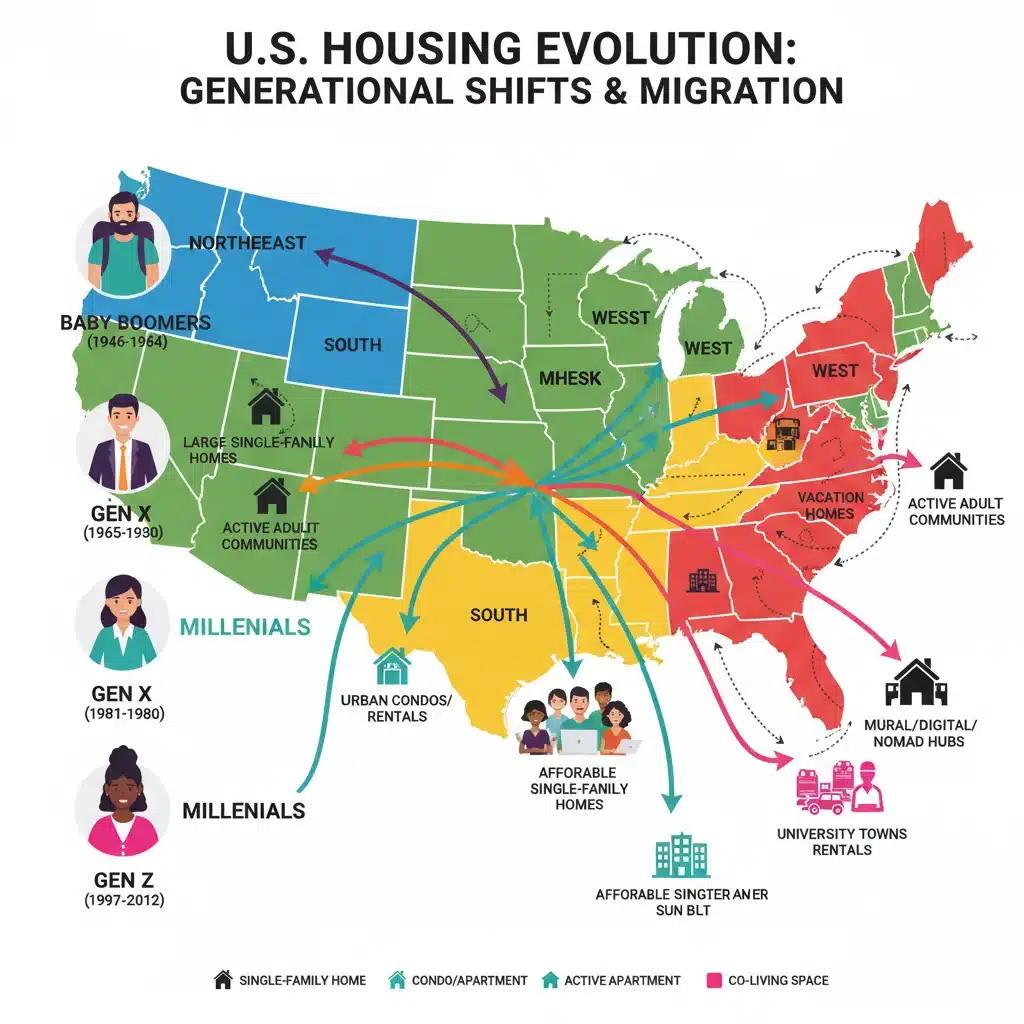
Millennials, now the largest generation, are firmly in their prime homebuying years, while Gen Z is beginning to enter the market. Their sheer numbers represent a significant source of demand. However, these generations often face unique challenges, including student loan debt, higher living costs, and the need for more affordable housing options. Their preferences also differ; many prioritize walkable communities, access to amenities, and often, more flexible living arrangements.
The delayed homeownership trend among younger generations means that while they desire homes, their entry into the market is often slower and more deliberate. This delayed entry, combined with their preference for more urban or suburban density over sprawling single-family homes, influences where and what kind of housing is in demand. As these generations continue to mature and form households, their choices will heavily influence localized housing market rebalancing, creating hot spots in some areas and cooling trends in others, particularly as they seek out value and affordability.
Migration Patterns and Regional Disparities
The pandemic accelerated existing migration trends, with many individuals and families relocating from expensive coastal cities to more affordable regions in the Sun Belt and Mountain West. This "flight to affordability" initially drove up prices in these destination markets. However, as these markets become less affordable due to increased demand, the pace of migration may slow, or new "secondary" markets may emerge as attractive alternatives.
These evolving migration patterns create significant regional disparities in the housing market. While some areas might experience a noticeable decline in prices as part of the housing market rebalancing, others might see continued, albeit slower, appreciation due to sustained influx of residents. Understanding these localized demographic shifts is vital for predicting how the national 7% shift in housing prices will manifest across different states and metropolitan areas. Factors like remote work flexibility continue to empower individuals to choose where they live based on lifestyle and cost, further accentuating these regional differences.
The Interplay of Factors: A Holistic View of Housing Market Rebalancing
It is crucial to understand that these four economic factors — interest rates, inflation, housing inventory, and demographic shifts — do not operate in isolation. They are intricately linked, with changes in one often triggering a ripple effect across the others. The projected 7% shift in U.S. housing prices by 2026 is a culmination of these interconnected forces working in concert to bring about a more balanced market.
Complex Interactions and Feedback Loops
For instance, rising interest rates (Factor 1) are a direct response to high inflation (Factor 2). Higher interest rates then reduce buyer affordability, which in turn cools demand and can lead to an increase in housing inventory (Factor 3) as homes sit on the market longer. Meanwhile, demographic shifts (Factor 4) dictate the underlying demand pool and where that demand is concentrated, influencing which markets are more resilient or more susceptible to price adjustments. The "lock-in effect" — where current homeowners with low mortgage rates are reluctant to sell — further complicates the inventory picture, creating a feedback loop where limited supply, despite cooling demand, prevents a freefall in prices.
This complex interplay means that forecasting the exact magnitude and timing of the housing market rebalancing is challenging. However, the consensus points towards a gradual adjustment rather than a sudden crash. The market is resilient, supported by strong fundamentals like continued job growth and a still-present desire for homeownership among younger generations. The rebalancing is more about a return to sustainable growth patterns after an overheated period, rather than a catastrophic downturn. It represents a necessary correction that, while potentially uncomfortable for some, ultimately creates a healthier and more stable real estate environment in the long run.
Implications for Buyers, Sellers, and Investors
For prospective buyers, the housing market rebalancing could mean more opportunities, less competition, and potentially more favorable pricing. However, they will also need to contend with higher financing costs. Patience and careful financial planning will be paramount. For sellers, it implies a shift from a "seller’s market" to a more balanced or even "buyer’s market" in some areas. Realistic pricing, strategic staging, and a willingness to negotiate will become increasingly important.
Investors will need to adapt their strategies, potentially focusing on properties that offer strong rental yields or those in markets with robust long-term demographic growth. The era of rapid appreciation might be tapering off, making cash flow and sustainable growth more central to investment decisions. Understanding the nuances of each of these four factors — interest rates, inflation, inventory, and demographics — will be crucial for making informed decisions in this evolving real estate landscape. The projected 7% shift is not just a number; it represents a profound recalibration of the forces that govern one of the most significant sectors of the U.S. economy.
Conclusion: Navigating the New Era of Housing Market Rebalancing
The U.S. housing market is undeniably entering a new phase — one characterized by a significant housing market rebalancing. The projected 7% shift in U.S. housing prices by 2026 is not a prediction of collapse, but rather an indication of a return to more sustainable and rational market conditions after an extraordinary period of growth. This rebalancing is being driven by the powerful confluence of four key economic factors: elevated interest rates, persistent inflationary pressures, the ongoing dynamics of housing inventory, and the evolving preferences and movements of demographic groups.
Understanding these drivers is paramount for anyone involved in real estate. For homebuyers, it signals a potential easing of competition and an opportunity to purchase at more reasonable valuations, albeit with higher borrowing costs. For sellers, it means adjusting expectations and preparing for a market that demands more strategic approaches. For investors, it necessitates a pivot towards long-term value and cash flow, rather than speculative appreciation.
The journey to 2026 will be marked by continued adjustments as these economic forces play out. While challenges remain, particularly concerning affordability and supply shortages in key areas, the rebalancing process is ultimately a healthy correction. It aims to establish a more stable and predictable housing market, one that better reflects the underlying economic realities and demographic imperatives of the nation. By staying informed and adapting to these shifts, individuals and businesses can successfully navigate this evolving real estate landscape and capitalize on the opportunities that arise from a more balanced market.