Personal Data Management: 6 Essential Tools for U.S. Consumers in 2026 (COMPARISON/ANALYSIS)

In an increasingly digital world, the concept of personal data management has evolved from a niche concern to a critical necessity for every U.S. consumer. With data breaches becoming alarmingly frequent and privacy regulations constantly shifting, understanding how to safeguard your digital footprint is paramount. As we look towards 2026, the tools and strategies for effective personal data management are becoming more sophisticated, offering individuals greater control over their sensitive information. This comprehensive guide will delve into the landscape of personal data management, highlighting its importance and providing an in-depth analysis of six essential tools poised to empower U.S. consumers in the coming years. Our goal is to equip you with the knowledge to make informed decisions, ensuring your personal data remains private and secure.
The Imperative of Personal Data Management in 2026
The digital age has brought unprecedented convenience, but it has also ushered in an era where personal data is a valuable commodity. Every click, every purchase, every online interaction generates data that can be collected, analyzed, and often, monetized. For U.S. consumers, this means navigating a complex web of privacy policies, consent forms, and potential vulnerabilities. The stakes are high: identity theft, financial fraud, and targeted advertising are just a few consequences of inadequate personal data management.
Why Personal Data Management Matters More Than Ever
By 2026, the volume of data generated globally will have exploded, making proactive personal data management indispensable. Here’s why it’s so crucial:
- Protection Against Cyber Threats: With sophisticated phishing attacks, ransomware, and data breaches becoming commonplace, robust personal data management acts as your first line of defense.
- Maintaining Digital Privacy: Many companies collect vast amounts of personal data, often without explicit, clear consent. Effective tools allow you to understand and control who has access to your information.
- Preventing Identity Theft: Your personal data – social security numbers, bank details, addresses – are prime targets for identity thieves. Managing this data securely minimizes your risk.
- Navigating Evolving Regulations: Laws like the California Consumer Privacy Act (CCPA) and emerging federal regulations in the U.S. grant consumers more rights over their data. Personal data management tools help you exercise these rights effectively.
- Controlling Your Digital Footprint: Everything you do online leaves a trace. Understanding and managing this digital footprint allows you to shape your online persona and protect your reputation.
- Financial Security: Protecting financial data from unauthorized access is key to preventing fraud and maintaining economic stability.
Understanding Your Digital Footprint
Before diving into tools, it’s essential to grasp what constitutes your digital footprint. This includes:
- Active Data: Information you intentionally share, such as social media posts, emails, online forms, and e-commerce transactions.
- Passive Data: Information collected without your direct intervention, such as browsing history, IP addresses, location data, and cookies.
Both active and passive data contribute to a comprehensive profile that can be used by advertisers, data brokers, and even malicious actors. Effective personal data management involves actively controlling both these facets.
Criteria for Evaluating Personal Data Management Tools
When assessing the best personal data management tools for U.S. consumers in 2026, several key criteria come into play. These ensure that the tools not only offer robust protection but also align with user needs and the evolving regulatory landscape.
1. Data Encryption and Security Features
Top-tier tools must offer strong encryption for data at rest and in transit. This includes end-to-end encryption for communications and secure storage protocols. Features like multi-factor authentication (MFA) and biometric login are also critical.
2. Privacy Controls and Customization
The ability to granularly control who sees your data and how it’s used is paramount. This involves clear privacy settings, options for data minimization, and features that allow you to opt-out of data sharing with third parties.
3. User-Friendliness and Accessibility
A powerful tool is only effective if users can easily understand and utilize its features. Intuitive interfaces, clear dashboards, and cross-platform compatibility (desktop, mobile) are essential for widespread adoption.
4. Data Deletion and Portability
Consumers should have the right to delete their data from services and to easily port it to another service. Tools that facilitate these actions are highly valued, especially in light of data privacy regulations.
5. Transparency and Reporting
The best tools are transparent about their own data handling practices and provide users with reports or dashboards detailing their data’s status, access logs, and privacy score.
6. Reputation and Trustworthiness
A company’s track record, its commitment to privacy, and its responsiveness to user concerns are vital indicators of trustworthiness. Independent audits and certifications further bolster confidence.
7. Cost-Effectiveness
While privacy is priceless, the cost of a tool can influence its accessibility. We consider both free and premium options, evaluating their value proposition.
6 Essential Personal Data Management Tools for U.S. Consumers in 2026
Based on the criteria above, here are six essential personal data management tools that U.S. consumers should consider integrating into their digital lives by 2026:
1. Dashlane (Password Manager & Digital Wallet)
Dashlane has long been a leader in password management, but its capabilities extend far beyond simply storing credentials. In 2026, it remains a cornerstone of personal data management due to its robust features that protect a wider array of personal information.
- Key Features:
- Advanced Password Management: Generates strong, unique passwords and securely stores them, along with two-factor authentication (2FA) codes.
- Digital Wallet: Securely stores payment information, IDs, and other sensitive documents, making online transactions safer and more convenient.
- Dark Web Monitoring: Scans the dark web for compromised personal information, alerting users to potential breaches.
- VPN Integration: Offers a built-in VPN for secure browsing, protecting your IP address and encrypting your internet traffic.
- Identity Theft Protection: Premium plans often include identity theft insurance and restoration services.
- Pros: Comprehensive suite of security features, excellent user interface, strong encryption, and cross-device synchronization.
- Cons: Premium features can be costly, and the VPN is basic compared to standalone services.
- Why it’s essential for personal data management: Dashlane centralizes and protects critical personal data, from login credentials to financial details, significantly reducing vulnerability to identity theft and unauthorized access. Its proactive monitoring and secure storage make it indispensable.
2. ProtonMail / ProtonVPN (Secure Email & VPN Service)
Proton Technologies has built a reputation for privacy-first services, and their offerings, particularly ProtonMail and ProtonVPN, are vital for personal data management. They exemplify a commitment to user privacy that is increasingly rare.
- Key Features:
- End-to-End Encrypted Email (ProtonMail): Ensures only the sender and recipient can read emails, even Proton cannot access content.
- Zero-Access Encryption: All user data is encrypted at rest, meaning even if servers are compromised, data remains secure.
- Secure VPN (ProtonVPN): Routes internet traffic through encrypted tunnels, masking IP addresses and preventing internet service providers (ISPs) and third parties from tracking online activity.
- Strict No-Logs Policy: ProtonVPN operates under Swiss privacy laws and maintains a strict no-logs policy, ensuring user activity is not recorded.
- Open Source & Independently Audited: Transparency through open-source code and regular security audits builds trust.
- Pros: Unwavering commitment to privacy, strong encryption, user-friendly interfaces, and a suite of integrated privacy tools.
- Cons: Free tiers have limitations; premium features can be more expensive than competitors.
- Why it’s essential for personal data management: ProtonMail and ProtonVPN provide foundational layers of privacy for online communication and browsing, crucial for protecting sensitive conversations and preventing data collection by third parties. They are vital for maintaining anonymity and data integrity.
3. DeleteMe (Data Broker Removal Service)
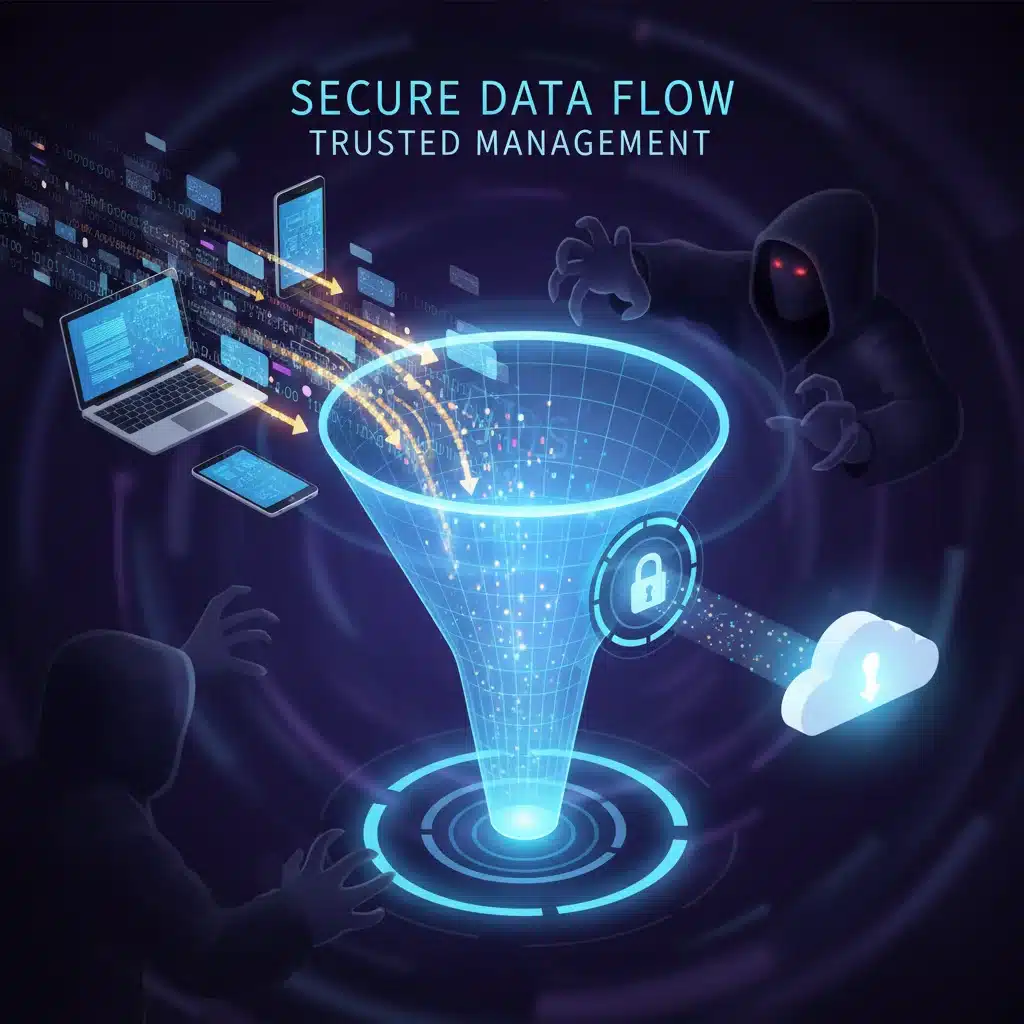
Data brokers collect and sell vast amounts of personal information without your explicit consent. DeleteMe offers a proactive solution to this widespread personal data management challenge.
- Key Features:
- Automated Data Removal: Scans over 50 data broker websites for your personal information (name, address, phone number, email, etc.) and submits opt-out requests on your behalf.
- Continuous Monitoring: Regularly rescans and resubmits requests as data brokers often re-list information.
- Comprehensive Coverage: Targets a wide range of data brokers, including people-search sites and marketing databases.
- Detailed Reports: Provides users with reports on where their data was found and what has been removed.
- Pros: Saves significant time and effort compared to manual opt-out requests, effective in reducing online personal information exposure.
- Cons: Subscription-based service, cannot guarantee 100% removal from all corners of the internet.
- Why it’s essential for personal data management: DeleteMe directly addresses the issue of data brokers, which are major contributors to personal data exposure. By actively removing your information from these databases, it significantly reduces your digital footprint and the risk of targeted attacks or identity theft.
4. Brave Browser (Privacy-Focused Web Browser)
While not a traditional data management tool, Brave Browser plays a crucial role in preventative personal data management by blocking trackers and ads at the browser level.
- Key Features:
- Built-in Ad & Tracker Blocker: Automatically blocks ads, cross-site trackers, and other invasive elements, improving browsing speed and privacy.
- HTTPS Everywhere: Automatically upgrades connections to HTTPS for enhanced security whenever possible.
- Fingerprinting Protection: Makes it harder for websites to uniquely identify you based on browser configurations.
- IPFS Integration: Offers integration with the InterPlanetary File System (IPFS) for more decentralized and private web access.
- Rewards Program (Optional): Users can opt-in to view privacy-respecting ads and earn Basic Attention Tokens (BAT).
- Pros: Significantly enhances browsing privacy and speed, open-source, rewards users for attention.
- Cons: Some users may find the cryptocurrency aspect confusing, occasional website compatibility issues (rare).
- Why it’s essential for personal data management: Brave prevents data collection at the source – your web browser. By blocking trackers and ads, it limits the amount of passive data collected about your online behavior, reducing your digital footprint and enhancing your personal data management efforts.
5. Standard Notes (Encrypted Note-Taking Application)
For sensitive personal notes, ideas, and documents, a secure note-taking app is a vital component of personal data management. Standard Notes stands out for its unwavering commitment to encryption and privacy.
- Key Features:
- End-to-End Encryption: All notes are encrypted on your device before being synced to the cloud, ensuring only you can read them.
- Open-Source & Audited: The code is publicly available for scrutiny, fostering transparency and trust.
- Cross-Platform Compatibility: Available on virtually all operating systems and devices.
- Offline Access: Access and edit notes even without an internet connection.
- Rich Text & Markdown Support: Allows for flexible note creation and organization.
- Pros: Superior security and privacy for personal notes, highly customizable, robust ecosystem of extensions (with premium).
- Cons: Free version is basic; advanced features require a paid subscription.
- Why it’s essential for personal data management: Many individuals store sensitive personal information in notes, from financial planning details to health information. Standard Notes ensures this data is completely private and secure, preventing unauthorized access even if cloud servers are compromised.
6. MyData (Emerging Personal Data Vault & Consent Management)
While still in various stages of development and adoption, the concept of a ‘Personal Data Vault’ or ‘Consent Management Platform’ is gaining traction. MyData is a prominent framework and movement advocating for individuals’ rights to their data, and various tools are emerging under this umbrella. For 2026, we anticipate more refined applications that embody the MyData principles.
- Key Features (anticipated/ideal):
- Centralized Data Storage: A secure, encrypted vault where individuals can store their personal data from various sources.
- Granular Consent Management: Allows users to explicitly grant or revoke consent for data sharing with third parties, specifying what data and for what purpose.
- Data Portability Facilitation: Simplifies the process of requesting and transferring personal data from one service to another.
- Data Usage Transparency: Provides clear dashboards showing who has accessed your data and for what reasons.
- Monetization Options (Optional): Some platforms may allow users to ethically monetize their data by choosing to share it with specific companies under controlled conditions.
- Pros: Empowers individuals with unprecedented control over their data, aligns with future privacy regulations, fosters a more ethical data economy.
- Cons: Still an evolving ecosystem, widespread adoption and interoperability are challenges, requires user engagement.
- Why it’s essential for personal data management: MyData-aligned tools represent the future of personal data management, moving beyond reactive protection to proactive, consent-based control. They promise to fundamentally shift power dynamics from corporations to individuals, making them a critical component for advanced data privacy in 2026 and beyond.
Integrating These Tools for Holistic Personal Data Management
While each of these tools offers significant benefits individually, their true power lies in their combined usage. A holistic approach to personal data management involves creating a layered defense strategy:
- Foundation with Password Manager (Dashlane): Secure all your accounts with strong, unique passwords and 2FA.
- Privacy-First Communication (ProtonMail/ProtonVPN): Ensure your emails and internet browsing are encrypted and private.
- Offensive Data Cleanup (DeleteMe): Actively remove your personal information from data broker sites.
- Proactive Browsing Protection (Brave Browser): Prevent trackers and ads from collecting your browsing data.
- Secure Personal Records (Standard Notes): Encrypt and protect any sensitive notes or documents.
- Future-Proofing with Consent Management (MyData-aligned tools): Prepare for a future where you dictate how your data is used and shared.
This multi-faceted strategy ensures comprehensive personal data management, addressing various attack vectors and data exposure points. Regular review of your privacy settings across all online services and accounts remains a vital best practice, regardless of the tools you employ.
Challenges and Future Trends in Personal Data Management
Despite the advancements in personal data management tools, several challenges persist, and new trends are emerging that U.S. consumers should be aware of:
1. The Rise of AI and Data Processing
Artificial intelligence models require vast datasets for training, often incorporating personal information. Understanding how your data is used in AI development and exercising your right to opt-out will become a new frontier in personal data management.
2. Interoperability and Ecosystems
The ideal future involves tools that seamlessly integrate and share data securely under user control. The challenge is to move away from fragmented solutions towards a more unified personal data management ecosystem.
3. Quantum Computing Threats
While still theoretical for most immediate threats, the long-term prospect of quantum computers breaking current encryption standards means that tools will need to evolve with ‘post-quantum cryptography’ to maintain security.
4. Biometric Data Protection
As biometric authentication (fingerprints, facial recognition) becomes more common, securing this highly sensitive data will be a critical aspect of personal data management.
5. Digital Inheritance and Legacy Planning
Planning for what happens to your digital assets and personal data after your passing is an often-overlooked but increasingly important aspect of comprehensive personal data management.
Best Practices for U.S. Consumers in Personal Data Management
Beyond specific tools, adopting certain best practices is fundamental to effective personal data management:
- Regularly Review Privacy Settings: On social media, apps, and websites, routinely check and adjust your privacy settings to the highest level of protection.
- Be Skeptical of Information Requests: Think twice before sharing personal information, especially if it seems irrelevant to the service.
- Use Strong, Unique Passwords: A password manager is essential for this. Never reuse passwords across different accounts.
- Enable Multi-Factor Authentication (MFA): Wherever available, enable MFA for an extra layer of security.
- Understand Privacy Policies (or Summaries): While often lengthy, try to grasp the core of how companies use your data. Tools that summarize these policies can be helpful.
- Clear Your Browsing Data: Regularly clear cookies, cache, and browsing history, or use a privacy-focused browser that does this automatically.
- Limit Public Information: Be mindful of what you share publicly on social media and other platforms.
- Back Up Important Data Securely: Ensure critical personal files are backed up using encrypted cloud services or external drives.
- Stay Informed: Keep up-to-date with the latest data privacy news, regulations, and security threats.
Conclusion: Empowering Your Digital Future
The landscape of personal data management in 2026 demands vigilance and proactive measures from U.S. consumers. The tools discussed – Dashlane, ProtonMail/ProtonVPN, DeleteMe, Brave Browser, Standard Notes, and emerging MyData-aligned platforms – represent the cutting edge of data protection and privacy empowerment. By understanding the importance of personal data management, adopting a layered approach with these essential tools, and adhering to best practices, you can significantly enhance your digital security and reclaim control over your personal information.
The future of digital privacy is not just about what companies do, but what individuals choose to do. Equipping yourself with the right knowledge and the best personal data management tools is your most powerful defense in the evolving digital frontier. Take charge of your data, and safeguard your digital future.