Economic Policy Changes 2026: Impact on US Industries
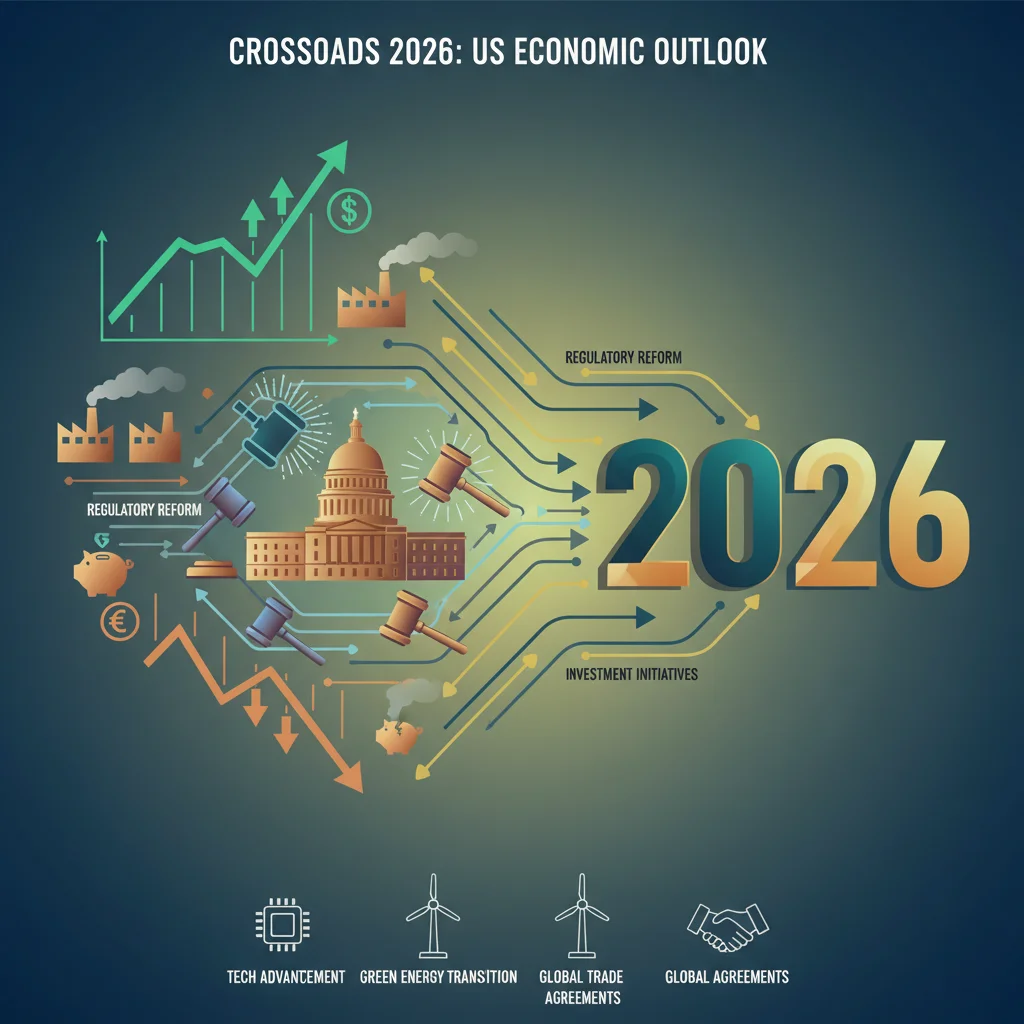
The year 2026 looms as a pivotal moment for the United States economy, with anticipated shifts in Economic Policy 2026 poised to reshape the landscape for various industries. Businesses, policymakers, and consumers alike are bracing for a series of regulatory adjustments, fiscal policy realignments, and potential changes in trade agreements that could reverberate across sectors. Understanding these impending changes is not merely an academic exercise; it’s a critical imperative for strategic planning, risk management, and capitalizing on emerging opportunities.
The intricate web of economic forces at play makes forecasting precise outcomes challenging, yet the direction of travel for certain policy areas is becoming clearer. From revamped tax structures to new environmental mandates and evolving labor laws, the cumulative effect of these changes could significantly alter operational costs, investment patterns, and competitive dynamics. This comprehensive analysis delves into the most likely policy shifts, their potential financial impact, and strategic considerations for US industries to navigate the evolving economic environment successfully.
Understanding the Landscape: Key Drivers of Economic Policy 2026
Several fundamental factors are driving the anticipated economic policy changes slated for 2026. These drivers are multifaceted, ranging from domestic political cycles and evolving societal priorities to global economic pressures and technological advancements. A holistic understanding of these underlying forces is crucial for businesses to anticipate and adapt to the forthcoming regulatory environment.
Domestic Political Cycles and Legislative Agendas
The rhythm of US politics plays an undeniable role in shaping economic policy. With midterm elections typically occurring in even-numbered years, the legislative agenda for the subsequent years often reflects the priorities and mandates of the newly elected or re-elected officials. By 2026, the political landscape will have settled from recent electoral cycles, potentially leading to more consolidated policy initiatives. Key areas of focus often include:
- Fiscal Policy: Debates around government spending, national debt, and taxation are perennial. Depending on the prevailing political ideology, 2026 could see significant overhauls in corporate tax rates, individual income tax brackets, or the introduction of new taxes aimed at specific industries or behaviors.
- Regulatory Reform: Different administrations often have contrasting views on the extent of government regulation. Some may advocate for deregulation to stimulate economic growth, while others might push for increased oversight in areas like finance, environmental protection, or consumer safety. The pendulum swing of regulatory philosophy will be a major determinant of the Economic Policy 2026.
- Social and Economic Justice Initiatives: Growing awareness of income inequality, access to healthcare, and workforce development often translates into legislative efforts. Policies related to minimum wage, worker benefits, affordable housing, and education funding could see significant changes, directly affecting labor markets and business costs.
Global Economic Pressures and Geopolitical Dynamics
The US economy does not operate in a vacuum. Global economic trends, international trade relations, and geopolitical stability profoundly influence domestic policy. By 2026, we can expect:
- Trade Policy Evolution: Existing trade agreements may be renegotiated, new tariffs could be imposed or removed, and the emphasis on supply chain resilience and domestic production is likely to remain strong. Industries heavily reliant on international trade, imports, or exports will need to closely monitor these developments.
- Inflationary and Deflationary Pressures: Global supply chain disruptions, energy price fluctuations, and shifts in international demand can all contribute to inflationary or deflationary environments. Central banks and governments will likely adjust monetary and fiscal policies to counteract these pressures, impacting interest rates, borrowing costs, and investment.
- Climate Change and Sustainability Goals: International agreements and growing domestic pressure for climate action will undoubtedly influence environmental regulations. This could manifest as carbon pricing, stricter emissions standards, incentives for renewable energy, and mandates for sustainable manufacturing practices, all integral components of Economic Policy 2026.
Technological Advancements and Digital Transformation
Rapid technological innovation is not just changing how businesses operate; it’s also prompting new policy considerations. The rise of artificial intelligence, blockchain, and advanced automation brings both immense opportunities and complex challenges, including:
- Data Privacy and Cybersecurity Regulations: As digital economies expand, the need for robust data protection laws becomes paramount. New regulations akin to GDPR or CCPA could become more widespread, impacting how businesses collect, store, and utilize customer data.
- Regulation of Digital Assets: Cryptocurrencies and other digital assets are still in a nascent regulatory phase. By 2026, we might see more definitive frameworks for their taxation, trading, and integration into traditional financial systems.
- Workforce Automation and Future of Work Policies: The increasing adoption of automation raises questions about job displacement and the need for workforce retraining. Policies supporting STEM education, vocational training, and social safety nets for displaced workers could gain traction, influencing labor costs and human resource strategies.
Anticipated Policy Shifts: A Deeper Dive into Economic Policy 2026
While the exact contours of future policy remain to be definitively shaped, several areas are ripe for significant change by 2026. Businesses should begin scenario planning around these potential shifts.
Taxation: Corporate and Individual Rate Adjustments
Tax policy is often a primary tool for economic steering. The current corporate tax rate, while lower than historical highs, could be subject to review. Arguments for increasing it might stem from a desire to fund public programs or reduce national debt, while arguments for maintaining or even further reducing it would focus on enhancing international competitiveness and stimulating domestic investment.
- Corporate Tax Rates: A potential increase in the corporate tax rate could directly impact profitability and investment decisions. Industries with lower profit margins or those heavily reliant on retained earnings for growth would feel this most acutely. Conversely, new tax incentives for specific activities, such as R&D or domestic manufacturing, could emerge.
- Individual Income and Wealth Taxes: Changes to individual income tax brackets, capital gains taxes, or even the introduction of new wealth taxes could alter consumer spending patterns and the availability of investment capital. High-net-worth individuals and sectors catering to them would need to adapt.
- Digital Services Taxes: As the global consensus around taxing multinational digital giants evolves, the US might implement its own version of a digital services tax, impacting tech companies and those operating extensively online.
Regulatory Environment: Focus on Environment, Social, and Governance (ESG)
The emphasis on ESG factors is not a passing trend but a fundamental shift in how businesses are expected to operate. By 2026, ESG considerations are likely to be embedded more deeply into regulatory frameworks.
- Environmental Regulations: Stricter emissions standards, mandates for renewable energy adoption, increased scrutiny of supply chain sustainability, and potentially carbon pricing mechanisms could become more prevalent. Industries like manufacturing, energy, and transportation will face significant compliance costs and opportunities for innovation.
- Labor Laws and Worker Protections: Policies aimed at enhancing worker rights, improving workplace safety, increasing minimum wages, and promoting diversity, equity, and inclusion (DEI) are likely to be strengthened. This could lead to higher labor costs and necessitate adjustments in human resource management.
- Consumer Protection: Enhanced data privacy laws, stricter regulations on product safety and labeling, and increased scrutiny of monopolistic practices could impact a wide range of consumer-facing industries, from e-commerce to healthcare.

Trade Policy and Supply Chain Resilience
The vulnerabilities exposed by recent global events have underscored the importance of resilient supply chains. 2026 could see further policy actions aimed at securing critical supply lines and promoting domestic production.
- “Buy American” Provisions: Expansion of policies favoring domestically produced goods and services in government procurement could benefit certain US manufacturers but potentially increase costs for others.
- Strategic Reshoring Incentives: Tax breaks, subsidies, or other incentives might be offered to encourage companies to bring manufacturing back to the US, particularly for critical goods like semiconductors, pharmaceuticals, and defense components.
- Tariff Adjustments: While difficult to predict, strategic tariffs could be used as a tool to protect nascent domestic industries or to address perceived unfair trade practices.
Sector-Specific Impacts: How Industries Will Be Affected by Economic Policy 2026
The broad strokes of economic policy will translate into very specific challenges and opportunities for different industries. While a universal 7% impact is a generalized projection, the actual effect will vary significantly by sector.
Manufacturing and Industrial Sector
This sector is often at the forefront of policy changes related to trade, labor, and environment.
- Increased Costs: Stricter environmental regulations, higher wages, and potential tariffs on imported raw materials could increase operational costs.
- Reshoring Opportunities: Incentives for domestic production and supply chain resilience could create significant opportunities for growth and investment in US manufacturing.
- Automation Investment: To offset rising labor costs and enhance competitiveness, manufacturers may accelerate investment in automation and advanced robotics, driven by policy incentives or necessity.
Technology and Digital Services
The tech sector, while often seen as agile, faces unique regulatory challenges.
- Data Privacy Compliance: New data privacy laws could necessitate significant investments in compliance infrastructure and legal expertise, impacting business models reliant on data collection.
- Antitrust Scrutiny: Increased regulatory oversight of large tech companies, potentially leading to antitrust actions or stricter merger review processes, could reshape competitive dynamics.
- AI Regulation: The nascent field of AI regulation could introduce new ethical guidelines, accountability frameworks, and safety standards, influencing product development and deployment.
Energy and Utilities
This sector is highly sensitive to environmental and climate policies.
- Renewable Energy Incentives: Continued or expanded tax credits and subsidies for solar, wind, and other renewable energy sources will drive investment and accelerate the transition away from fossil fuels.
- Carbon Pricing/Emissions Caps: The introduction of a carbon tax or cap-and-trade system would directly impact fossil fuel industries and industrial emitters, necessitating carbon capture technologies or shifts to cleaner energy sources.
- Infrastructure Investment: Government-led infrastructure projects, particularly in smart grids and electric vehicle charging networks, could create significant opportunities for utilities and related construction firms.
Healthcare and Pharmaceuticals
Healthcare is a perennially regulated sector, with Economic Policy 2026 likely to bring further changes.
- Drug Pricing Reform: Continued pressure to lower prescription drug costs could lead to new negotiation powers for government programs or increased scrutiny of pharmaceutical pricing strategies.
- Telehealth Expansion: Policies supporting the expansion and reimbursement of telehealth services could continue, benefiting digital health platforms and remote care providers.
- Supply Chain Security: Focus on securing the supply chain for critical medicines and medical devices, potentially through reshoring incentives, will be a key area.
Financial Services
The financial sector is always under the microscope for stability and consumer protection.
- Increased Regulatory Scrutiny: Post-pandemic economic recovery and concerns about systemic risk could lead to enhanced oversight of banks, investment firms, and fintech companies.
- Digital Asset Regulation: Clearer regulatory frameworks for cryptocurrencies, stablecoins, and blockchain applications will impact how financial institutions engage with these emerging technologies.
- Consumer Lending Standards: Potential changes to lending standards or consumer credit protection laws could affect banks, credit unions, and alternative lenders.
Navigating the Changes: Strategic Adjustments for Businesses
Given the anticipated shifts in Economic Policy 2026, businesses must adopt proactive and adaptive strategies. Simply reacting to new regulations will likely put companies at a disadvantage.
Proactive Engagement and Lobbying
Businesses and industry associations should actively engage with policymakers during the legislative process. Providing data, insights, and proposed solutions can help shape regulations in a way that minimizes adverse impacts and maximizes beneficial outcomes. Lobbying efforts, when transparent and ethical, are a legitimate way to advocate for industry interests.
Scenario Planning and Risk Assessment
Developing multiple scenarios based on different policy outcomes is crucial. What if corporate taxes increase by X%? What if carbon emissions targets are set at Y? By modeling these scenarios, businesses can assess potential financial impacts, identify vulnerabilities, and develop contingency plans. A comprehensive risk assessment should include regulatory risk, market risk, and operational risk stemming from policy changes.
Investment in Technology and Innovation
Many policy changes, particularly those related to environmental sustainability and labor, can be mitigated or even turned into opportunities through technological innovation. Investing in automation, energy-efficient processes, sustainable materials, and digital transformation can help companies comply with new regulations while also enhancing efficiency and competitiveness.
Supply Chain Diversification and Reshoring Considerations
To mitigate risks associated with trade policy shifts and global disruptions, businesses should explore diversifying their supply chains. This might involve identifying alternative suppliers in different regions or seriously evaluating the feasibility of reshoring certain production capabilities, especially if government incentives are offered. Building redundancy and resilience into supply chains will be paramount.
Workforce Development and Adaptation
Changes in labor laws and the increasing demand for new skills due to automation and digital transformation necessitate a focus on workforce development. Businesses should invest in retraining programs, upskilling initiatives, and talent acquisition strategies that align with future job market demands. Adapting to new minimum wage laws or benefit mandates will also require careful financial planning.
Financial Planning and Capital Allocation
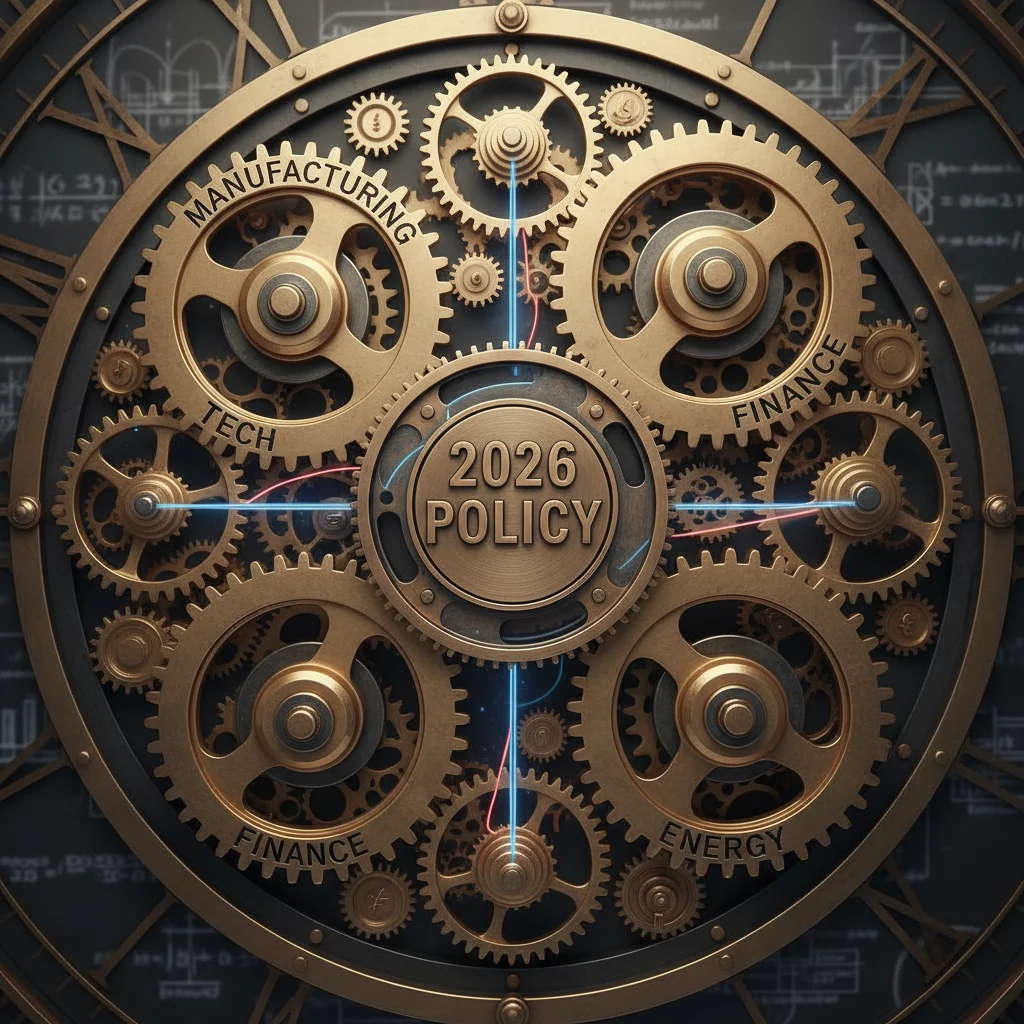
The financial implications of Economic Policy 2026 cannot be overstated. Businesses need to meticulously review their financial models, capital expenditure plans, and budget allocations. This includes:
- Cash Flow Management: Anticipating increased compliance costs, higher taxes, or new investment requirements will be vital for maintaining healthy cash flow.
- Access to Capital: Understanding how changes in interest rates or investor sentiment (influenced by policy) might affect access to debt or equity financing.
- Pricing Strategies: Evaluating whether cost increases can be absorbed or if adjustments to pricing strategies will be necessary to maintain profitability.
Embracing ESG Principles
Beyond mere compliance, businesses that genuinely embrace ESG principles will likely find themselves better positioned. Strong ESG performance can attract investors, enhance brand reputation, improve employee morale, and potentially unlock new market opportunities as consumer preferences shift towards more sustainable and ethically produced goods and services. Integrating ESG into the core business strategy, rather than treating it as a peripheral concern, will be a competitive differentiator.
Conclusion: Preparing for the Future of Economic Policy 2026
The economic landscape of 2026 promises to be dynamic, shaped by a confluence of political, global, and technological forces. The anticipated changes in Economic Policy 2026 will undoubtedly present both formidable challenges and significant opportunities for US industries. While a precise 7% impact is a broad generalization, the overarching message is clear: inaction is not an option.
Businesses that proactively monitor policy developments, engage with stakeholders, conduct thorough risk assessments, and strategically invest in innovation and resilience will be best equipped to not only survive but thrive in the evolving regulatory environment. The ability to adapt, innovate, and align business strategies with the broader societal and economic objectives reflected in these policies will be the hallmark of successful enterprises in the years to come. By understanding the potential shifts in taxation, regulation, and trade, and by implementing robust strategic adjustments, US industries can navigate the complexities of 2026 and lay the groundwork for sustained growth and prosperity.