Urban Exodus or Return: US Population Shifts by Mid-2026 – An In-Depth Analysis
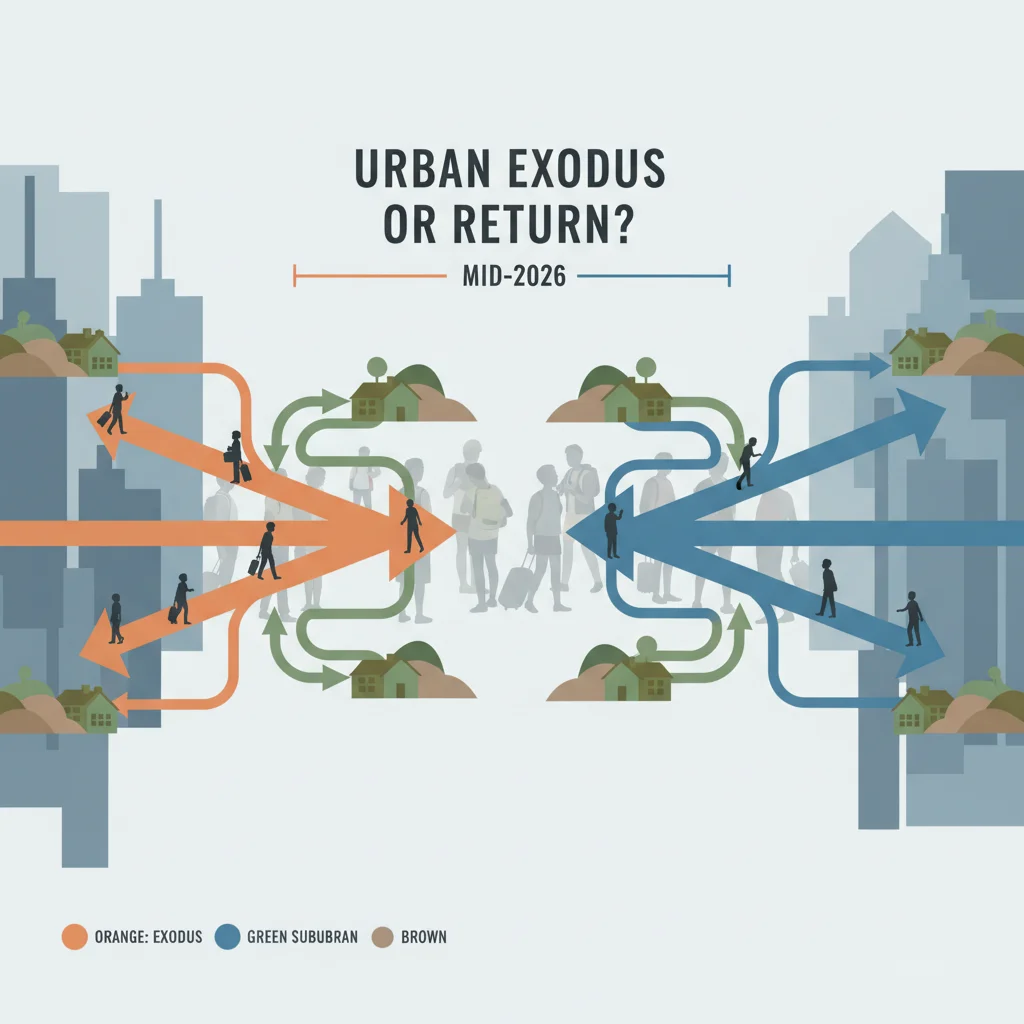
Urban Exodus or Return? Analyzing US Population Shifts and Their Societal Impact by Mid-2026
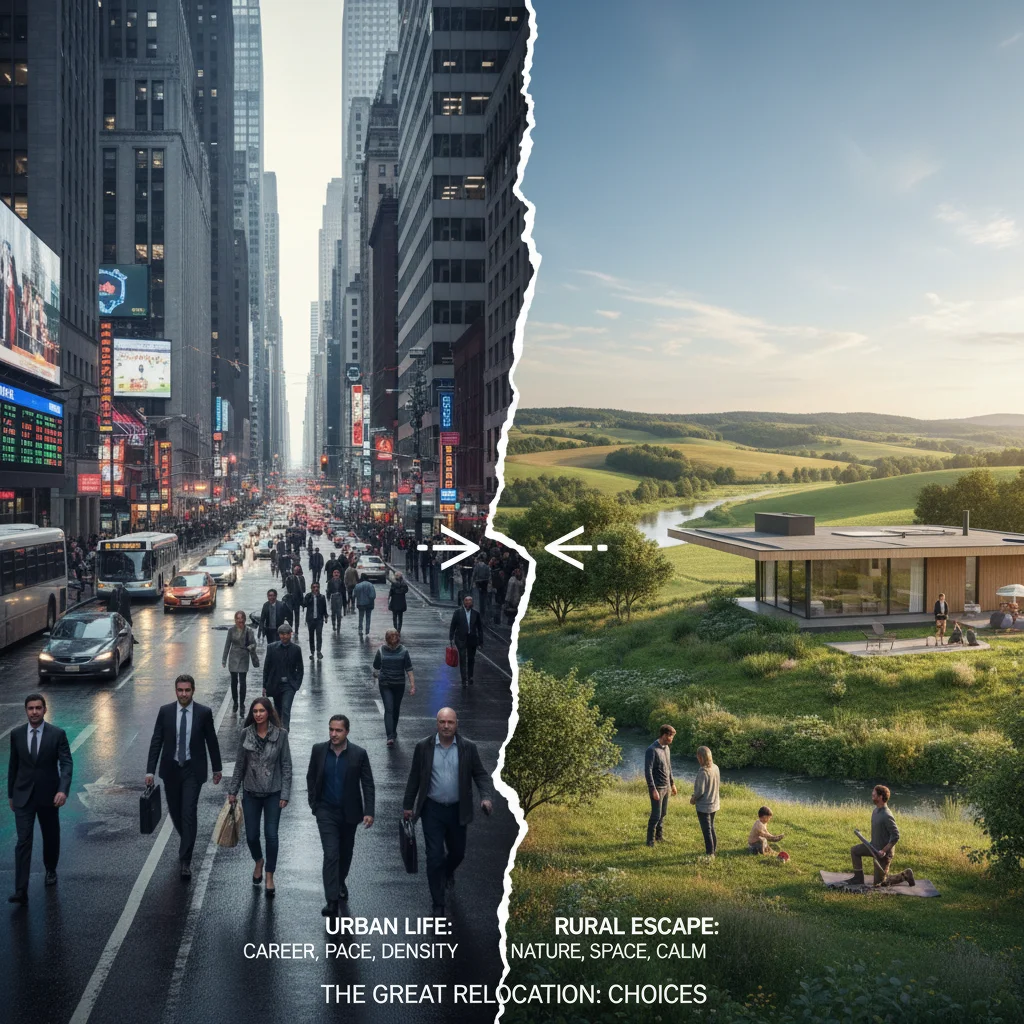
The landscape of American demography is a perpetually evolving tapestry, woven from economic pressures, technological advancements, and shifting societal values. In recent years, the narrative has been dominated by talk of an ‘urban exodus’ – a perceived mass migration from bustling metropolitan centers to quieter, often more affordable suburban and rural locales. However, as we approach mid-2026, the question intensifies: Is this exodus a permanent redirection, or are we witnessing the early signs of a ‘great return’ to urban living? Understanding these complex US population shifts is not merely an academic exercise; it’s crucial for policymakers, urban planners, businesses, and individuals alike, as these movements profoundly impact everything from housing markets and infrastructure to social dynamics and economic development.
The COVID-19 pandemic undoubtedly acted as a catalyst, accelerating pre-existing trends and introducing new variables into the equation of where Americans choose to live. Remote work became not just a possibility but a widespread reality for many, untethering individuals from the necessity of living near their workplaces. This newfound flexibility, combined with a desire for more space, lower costs of living, and perceived safety, fueled the initial wave of departures from densely populated urban cores. Yet, cities are resilient entities, offering unique advantages – cultural amenities, diverse job markets, robust public transportation, and a vibrant social fabric – that continue to exert a powerful pull. As the world recalibrates post-pandemic, the interplay between these centrifugal and centripetal forces will define the future of American communities.
This comprehensive analysis will delve into the multifaceted drivers behind current US population shifts, examine the data and emerging trends leading up to mid-2026, and explore the far-reaching societal and economic impacts of these demographic transformations. We will dissect the motivations behind both urban out-migration and potential re-urbanization, considering factors such as housing affordability, economic opportunities, quality of life, and the evolving nature of work. By understanding these dynamics, we can better anticipate the challenges and opportunities that lie ahead for a nation in demographic flux.
The Great Urban Exodus: Tracing Its Roots and Recent Acceleration
For decades, American cities were the undisputed engines of growth, drawing in talent and capital with the promise of opportunity and innovation. However, even before the pandemic, subtle cracks began to appear in this narrative. Rising housing costs, increasing traffic congestion, and a growing desire for more personal space started to push some residents towards the urban periphery. The pandemic, with its lockdowns and emphasis on social distancing, amplified these concerns exponentially, leading to a significant acceleration of what many termed the ‘urban exodus.’
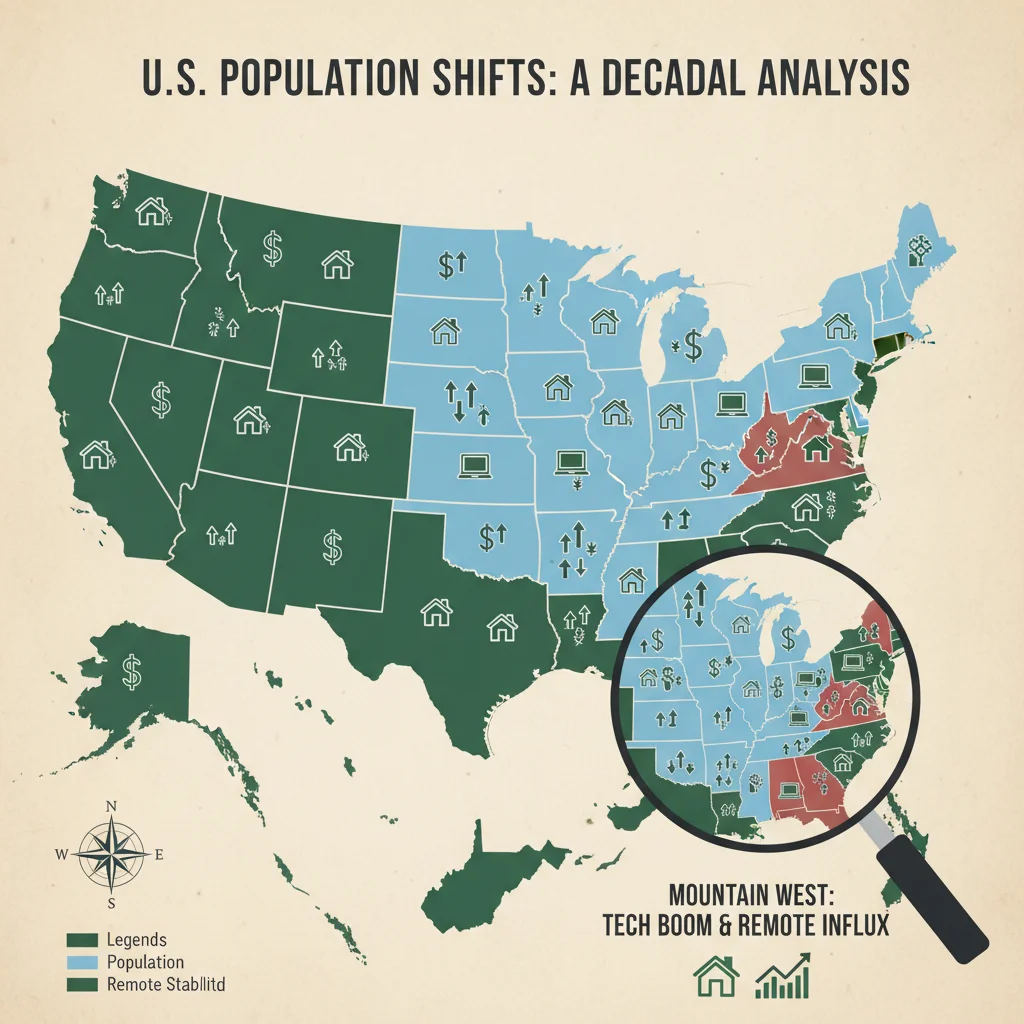
Initially, the flight from cities was characterized by a move to nearby suburbs, offering a compromise between urban amenities and more space. However, as remote work solidified for many professions, the radius of potential relocation expanded dramatically. Individuals and families began to consider entirely new states and regions, often prioritizing affordability, access to nature, and a slower pace of life. Data from various sources, including the U.S. Census Bureau and real estate platforms, showed discernible patterns of population decline in major metropolitan areas like New York, Los Angeles, and San Francisco, while states like Florida, Texas, and parts of the Mountain West experienced significant influxes.
Key Drivers of the Exodus:
- Remote Work Revolution: The most significant factor. The ability to work from anywhere removed the geographical constraints that once tied workers to urban employment centers. This newfound freedom allowed people to prioritize other factors in their living decisions.
- Housing Affordability: Exorbitant housing costs in major cities became unsustainable for many, particularly younger generations and families. Moving to less dense areas often meant significantly more space for the same or even lower mortgage payments.
- Quality of Life and Space: The desire for larger homes, yards, and access to outdoor recreational activities grew during the pandemic. Urban living, with its smaller apartments and limited green spaces, became less appealing for some.
- Cost of Living: Beyond housing, the general cost of living – from groceries to transportation – is often considerably lower in suburban and rural areas, offering greater financial stability.
- Safety and Health Concerns: During the height of the pandemic, some residents perceived cities as higher-risk environments for viral transmission, contributing to the desire for less crowded surroundings.
The impact of this exodus has been profound. In sending cities, there were initial concerns about declining tax bases, empty commercial spaces, and a loss of cultural vitality. In receiving areas, particularly smaller towns and rural communities, the influx brought both opportunities and challenges. New residents boosted local economies and diversified populations, but also strained existing infrastructure, drove up local housing prices, and sometimes led to cultural clashes.
The Pendulum Swings: Signs of an Urban Return?
While the urban exodus garnered significant attention, the narrative is rarely one-sided or linear. As we approach mid-2026, there are compelling indicators suggesting that the pendulum may be beginning to swing back, or at least stabilize, with some urban centers experiencing a resurgence of interest. The allure of city life, for many, is deeply ingrained and difficult to fully replace.
One of the primary drivers for a potential urban return is the re-evaluation of remote work. While highly valued, fully remote work isn’t a perfect fit for everyone or every company. Many businesses are adopting hybrid models, requiring employees to be in the office a few days a week, which necessitates living within a commutable distance to a metropolitan area. Furthermore, for some individuals, the isolation of remote work and the lack of spontaneous social interaction found in cities have become drawbacks.
Factors Fueling a Potential Return:
- Hybrid Work Models: The rise of hybrid work, rather than fully remote, means many still need to be near an office, making suburban and urban living attractive again.
- Social and Cultural Amenities: Cities remain hubs of culture, arts, dining, and diverse social opportunities. For younger demographics, and those seeking vibrant community life, these amenities are a significant draw.
- Career Opportunities and Networking: While remote work opened doors, many high-growth industries and specialized roles still thrive on in-person collaboration and networking, which are more readily available in urban centers.
- Walkability and Public Transit: The convenience of walkable neighborhoods, access to public transportation, and reduced reliance on cars are significant advantages for many urban dwellers.
- Access to Services: Cities typically offer a broader range of specialized healthcare, educational institutions, and other essential services.
- The ‘Buzz’ Factor: For some, the energy, diversity, and constant stimulation of city life are irreplaceable elements of their desired lifestyle.
Real estate markets in some major cities are already showing signs of stabilization and even renewed growth, particularly in rental markets. While not a full reversal, this suggests a recalibration rather than a continued freefall. Younger generations, often less tied down by family and homeownership, may be particularly inclined to return to or remain in cities for career advancement and social experiences.
Demographic Data and Projections for Mid-2026
To truly understand the trajectory of US population shifts, we must look at concrete data and projections. While precise predictions are challenging, current trends offer valuable insights into what mid-2026 might look like. The U.S. Census Bureau, alongside various research institutions and real estate analytics firms, provides crucial data points.
Recent data indicates a complex picture. While some major cities continue to experience net out-migration, the pace has often slowed significantly compared to the peak pandemic years. Conversely, many mid-sized cities and established suburbs are seeing robust growth. The ‘donut effect,’ where populations move from the urban core to surrounding suburban rings, is a persistent trend. However, there’s also evidence of certain urban cores, particularly those with strong job markets and attractive amenities, beginning to regain residents.
Key Data Points and Emerging Trends:
- Suburban Sprawl Continues: Suburbs, offering a blend of space and proximity to urban centers, are likely to remain popular. Many suburban areas are evolving into ‘surban’ environments, developing their own amenities and job opportunities.
- Rise of ‘Zoom Towns’: Remote-friendly smaller cities and towns in scenic or desirable locations will continue to attract new residents, though perhaps at a slower rate than the initial surge.
- Sun Belt Growth: States in the Sun Belt (e.g., Florida, Texas, Arizona, North Carolina) are projected to continue experiencing significant population growth due to warmer climates, lower taxes, and often more affordable housing.
- Coastal City Recalibration: Major coastal cities like New York and San Francisco might see a stabilization of their populations, with some return, particularly among younger professionals, but likely not a full reversal to pre-pandemic growth rates.
- Interstate Migration Patterns: The overall trend of Americans moving across state lines remains high, driven by economic opportunity and quality of life considerations.
By mid-2026, we anticipate a more nuanced pattern than a simple urban exodus or return. It’s likely to be a dynamic equilibrium, with different regions and city types experiencing varied fates. Some cities will successfully adapt to hybrid work models and re-emphasize their unique attractions, while others may struggle to retain residents. The key will be understanding the localized drivers of migration.
Societal and Economic Impacts of Shifting Populations
The movement of millions of people across the country has profound and cascading effects on nearly every aspect of society and the economy. These US population shifts create both opportunities and significant challenges that communities must address.
Economic Impacts:
- Housing Market Volatility: The influx of residents into certain areas drives up housing demand and prices, potentially pricing out long-term residents. Conversely, areas experiencing out-migration may see downward pressure on housing values, though this is less common in desirable urban cores.
- Labor Market Reconfiguration: Businesses in growing areas benefit from an expanded labor pool, while those in declining areas may face talent shortages. The shift also impacts the types of jobs available, with remote work potentially diversifying local economies.
- Local Tax Bases: Population changes directly affect local government revenues (property taxes, sales taxes). Growing areas may see increased revenue but also increased demand for public services, while shrinking areas face the challenge of maintaining services with a smaller tax base.
- Infrastructure Strain: Rapid population growth in receiving communities strains existing infrastructure – roads, water systems, schools, and utilities – requiring significant investment and planning.
- Retail and Service Sector Adjustments: Businesses must adapt to changing consumer bases. Urban areas may see a transformation of downtown commercial districts, while suburban and rural areas may experience a boom in local services.
Societal Impacts:
- Demographic Change: Migration often leads to changes in the age, racial, and socioeconomic composition of communities, which can alter local culture and politics.
- Social Cohesion: Rapid influxes of new residents can sometimes lead to social tensions if not managed effectively, while a decline in population can erode community ties.
- Environmental Concerns: Sprawl associated with suburbanization can lead to increased carbon emissions, habitat loss, and pressure on natural resources.
- Access to Services: While cities offer diverse services, rural areas may struggle to provide adequate healthcare, broadband internet, and educational opportunities for a growing population.
- Redefining Community: The concept of ‘community’ itself is evolving. Digital communities are becoming more prominent, complementing or sometimes replacing traditional geographic communities.
Addressing these impacts requires proactive planning and flexible policies. Communities need to invest in resilient infrastructure, develop affordable housing strategies, and foster inclusive environments to manage these demographic shifts effectively.
Looking Ahead: Preparing for Future Population Dynamics by Mid-2026 and Beyond
As we navigate towards mid-2026 and beyond, the fluidity of US population shifts will continue to be a defining characteristic. The era of predictable, linear demographic trends may be over, replaced by a more dynamic and responsive landscape. Preparing for this future requires foresight, adaptability, and a willingness to embrace new paradigms.
Key Considerations for the Future:
- Flexible Urban Planning: Cities must become more adaptable, designing spaces that can serve multiple purposes and accommodate fluctuating populations. This includes rethinking commercial real estate, investing in mixed-use developments, and prioritizing green spaces.
- Investment in Rural Infrastructure: To support continued growth in smaller communities, significant investment in broadband internet, transportation, and public services is essential. This can help bridge the urban-rural divide.
- Affordable Housing Solutions: Across the spectrum, from urban centers to rural towns, the crisis of housing affordability needs creative and comprehensive solutions, including zoning reforms, incentives for developers, and support for diverse housing types.
- Sustainable Development: As populations shift, ensuring that growth is environmentally sustainable is paramount. This involves promoting compact development, protecting natural habitats, and investing in renewable energy and efficient public transit.
- Leveraging Technology: Technology will play an even greater role in managing population shifts, from smart city initiatives to remote healthcare and education. Data analytics will be crucial for understanding and responding to trends.
- Community Building: Fostering strong, inclusive communities, whether urban, suburban, or rural, will be vital to ensuring social cohesion amidst demographic change. This includes promoting civic engagement and supporting local institutions.
- Policy Adaptation: Government policies at all levels – federal, state, and local – must evolve to support these new realities. This includes tax policies, funding for infrastructure, and regulations that promote equitable development.
The future of American communities will not be a simple choice between urban or rural, but rather a spectrum of living environments, each with its unique advantages and challenges. The ability of regions to attract and retain residents will depend on their capacity to offer a compelling combination of economic opportunity, quality of life, and robust infrastructure.
Conclusion: A New Chapter in American Demography
The journey of US population shifts leading up to mid-2026 is a compelling narrative of adaptation and evolution. What began as a pronounced urban exodus, largely spurred by the pandemic and the advent of remote work, is now showing signs of nuanced recalibration. Instead of a complete abandonment of cities, we are likely witnessing a redistribution of people across the urban-to-rural continuum, with suburbs and mid-sized cities emerging as significant beneficiaries, while some major urban centers strategically reposition themselves for renewed appeal.
The forces driving these shifts – economic pressures, technological innovations, and changing lifestyle preferences – are powerful and interconnected. Housing affordability remains a critical determinant, pushing many towards less expensive locales. Meanwhile, the permanence of hybrid work models dictates that many still need access to urban amenities and job markets, preventing a complete ruralization of the workforce. The desire for community, culture, and convenience continues to draw individuals towards vibrant centers, even as the appeal of space and nature pulls others outwards.
By mid-2026, the picture of American demography will be one of intricate complexity, not simple binaries. We will likely see continued growth in the Sun Belt, the strengthening of ‘surban’ areas, and a resilient, albeit transformed, urban core. The societal and economic ramifications are immense, influencing everything from local governance and infrastructure development to social equity and environmental sustainability. Understanding these dynamics is not just about predicting where people will live, but about anticipating how communities will thrive, adapt, and evolve in response to these fundamental human movements.
Ultimately, the story of US population shifts is a testament to American dynamism. It underscores the importance of flexible planning, inclusive policies, and continuous investment in all types of communities. The choices made by individuals about where to call home, collectively, are shaping the very fabric of the nation, leading us into a new chapter of American demography that promises both challenges and exciting opportunities for growth and innovation.