Green Economy Boom: US Investment Opportunities Surging 10% by 2026
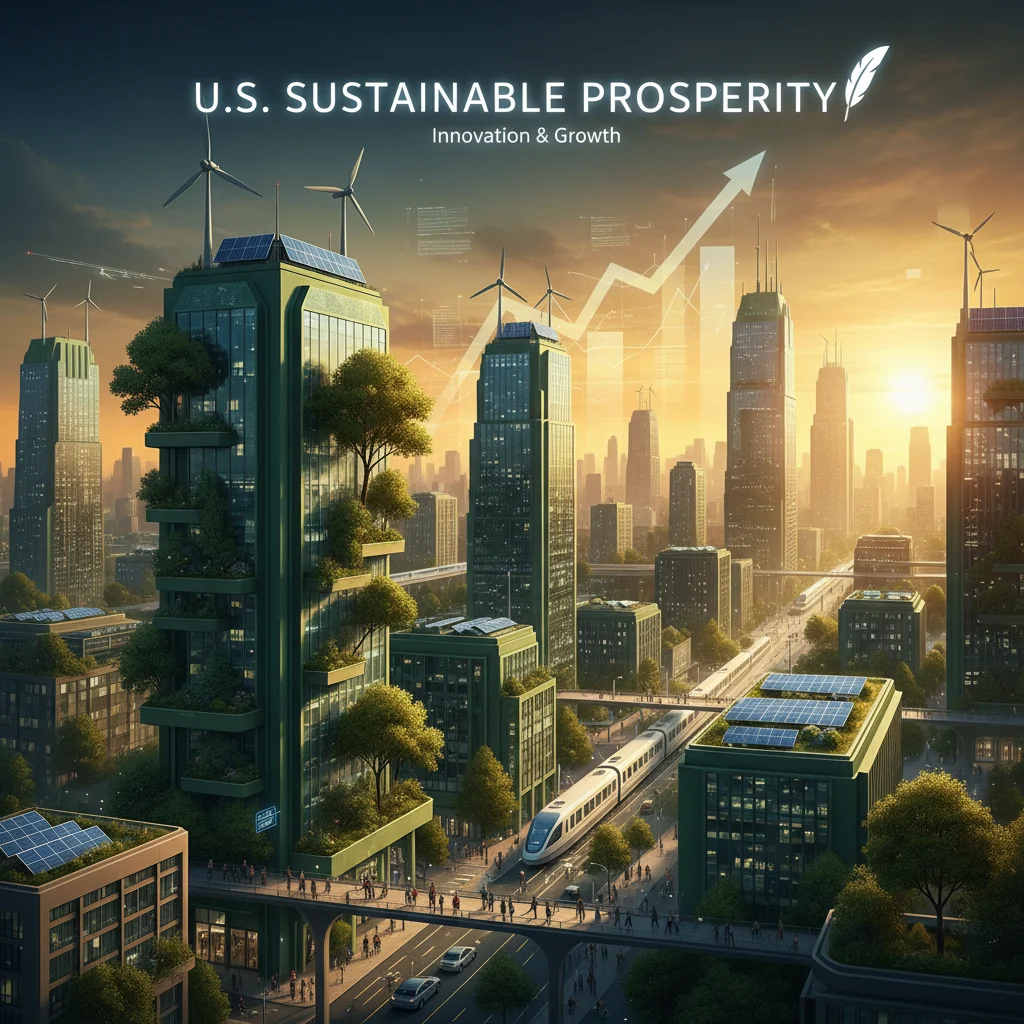
The global economic landscape is undergoing a profound transformation, driven by an urgent need for sustainable practices and a growing recognition of the financial opportunities embedded within environmental solutions. At the forefront of this shift is the United States, where the green economy US is not just emerging, but booming. Projections indicate a remarkable surge in investment opportunities, with a forecasted growth of 10% by 2026. This isn’t merely a trend; it’s a fundamental reorientation of capital towards industries that promise both ecological stewardship and robust financial returns. For investors, policymakers, and businesses alike, understanding the dynamics of this burgeoning sector is paramount.
The concept of a green economy US encompasses a broad spectrum of activities, from renewable energy generation and energy efficiency to sustainable agriculture, waste management, and green infrastructure. It’s an economy designed to reduce environmental risks and ecological scarcities, while simultaneously fostering sustainable development without degrading the environment. This holistic approach is gaining traction as the tangible impacts of climate change become more apparent and the economic benefits of adopting greener practices become undeniable. The US, with its vast resources, technological prowess, and evolving regulatory framework, is uniquely positioned to lead this transition.
This comprehensive article will delve into the multifaceted aspects of the green economy US, exploring the key drivers behind its rapid expansion, identifying the most promising investment sectors, analyzing the financial implications for various stakeholders, and providing insider knowledge to navigate this exciting new frontier. We will examine the policy landscape, technological innovations, and market forces that are collectively propelling this boom, offering a detailed roadmap for those looking to participate in and profit from the sustainable revolution.
The Unstoppable Momentum: Why the Green Economy US is Surging
Several powerful forces are converging to fuel the explosive growth of the green economy US. Understanding these drivers is crucial for appreciating the long-term sustainability and profitability of investments in this space.
Policy and Regulatory Tailwinds
Government policies play a pivotal role in shaping economic landscapes, and the US government has increasingly prioritized environmental sustainability. Initiatives like the Inflation Reduction Act (IRA) are game-changers, offering unprecedented tax credits, grants, and incentives for renewable energy projects, electric vehicle manufacturing, energy efficient home improvements, and other clean technologies. These policies not only reduce the financial risk for investors but also create a stable and predictable environment for long-term capital deployment. State and local governments are also contributing with their own mandates for renewable energy portfolios, emission reductions, and sustainable urban planning, creating a cascading effect of green initiatives across the nation.
Technological Advancements and Innovation
The pace of innovation in clean technology is accelerating rapidly. Breakthroughs in solar panel efficiency, battery storage capacity, wind turbine design, and advanced recycling techniques are making green solutions more cost-effective and competitive than ever before. For example, the cost of solar power has plummeted over the last decade, making it a more economical choice than traditional fossil fuels in many regions. Similarly, advancements in electric vehicle (EV) technology are not only improving performance and range but also driving down manufacturing costs, making EVs increasingly accessible to a wider consumer base. This continuous innovation cycle ensures that the green economy US remains dynamic and offers new avenues for investment.
Growing Consumer and Investor Demand
There’s a palpable shift in consumer preferences towards sustainable products and services. A significant portion of the population is willing to pay a premium for environmentally friendly goods, and businesses that embrace sustainability often see enhanced brand loyalty and market share. This consumer demand translates into market opportunities for companies committed to green practices. Simultaneously, institutional and retail investors are increasingly incorporating Environmental, Social, and Governance (ESG) factors into their investment decisions. The belief that sustainable businesses are better managed and more resilient to future risks is gaining widespread acceptance, channeling significant capital into the green economy US.
Corporate Sustainability Commitments
Major corporations, from tech giants to manufacturing powerhouses, are setting ambitious sustainability targets, including commitments to net-zero emissions, 100% renewable energy sourcing, and circular economy principles. These commitments are not just about corporate social responsibility; they are driven by a recognition that sustainability can enhance operational efficiency, reduce costs, mitigate risks, and attract top talent. As corporations transition their supply chains and operations to be greener, they create massive demand for clean energy, sustainable materials, and eco-friendly services, further stimulating the green economy US.
Key Sectors Poised for Explosive Growth within the Green Economy US
The 10% growth projection for 2026 is not evenly distributed across all green sectors. Certain areas are particularly ripe for investment and innovation. Here’s a closer look at the sectors leading the charge:
Renewable Energy Generation and Storage
This is arguably the most prominent and mature sector within the green economy US. Solar, wind, hydropower, and geothermal energy are rapidly displacing fossil fuels. The focus is not just on generating clean electricity but also on developing robust energy storage solutions (like advanced batteries and pumped-hydro storage) to ensure grid stability and reliability. Investment opportunities span from utility-scale projects to distributed generation, microgrids, and smart grid technologies. The IRA’s generous tax credits for renewable energy projects are particularly impactful here, making these investments even more attractive.
Electric Vehicles and Charging Infrastructure
The transition to electric transportation is undeniable. The US is seeing significant investments in EV manufacturing plants, battery production facilities, and, crucially, the expansion of charging infrastructure. This sector includes not only the vehicles themselves but also the entire ecosystem supporting them, from charging station networks to software solutions for charge management and battery recycling. As more states adopt EV mandates and consumer adoption accelerates, this sector will continue to be a powerhouse within the green economy US.
Energy Efficiency and Green Buildings
Reducing energy consumption is often the most cost-effective way to achieve sustainability goals. This sector encompasses everything from smart home technologies and energy-efficient appliances to green building materials, advanced insulation, and intelligent HVAC systems for commercial and residential properties. Retrofitting existing buildings to be more energy-efficient presents a massive market opportunity, as does the construction of new net-zero energy buildings. The IRA also provides incentives for homeowners and businesses to invest in energy-saving upgrades, further stimulating this segment.
Sustainable Agriculture and Food Systems
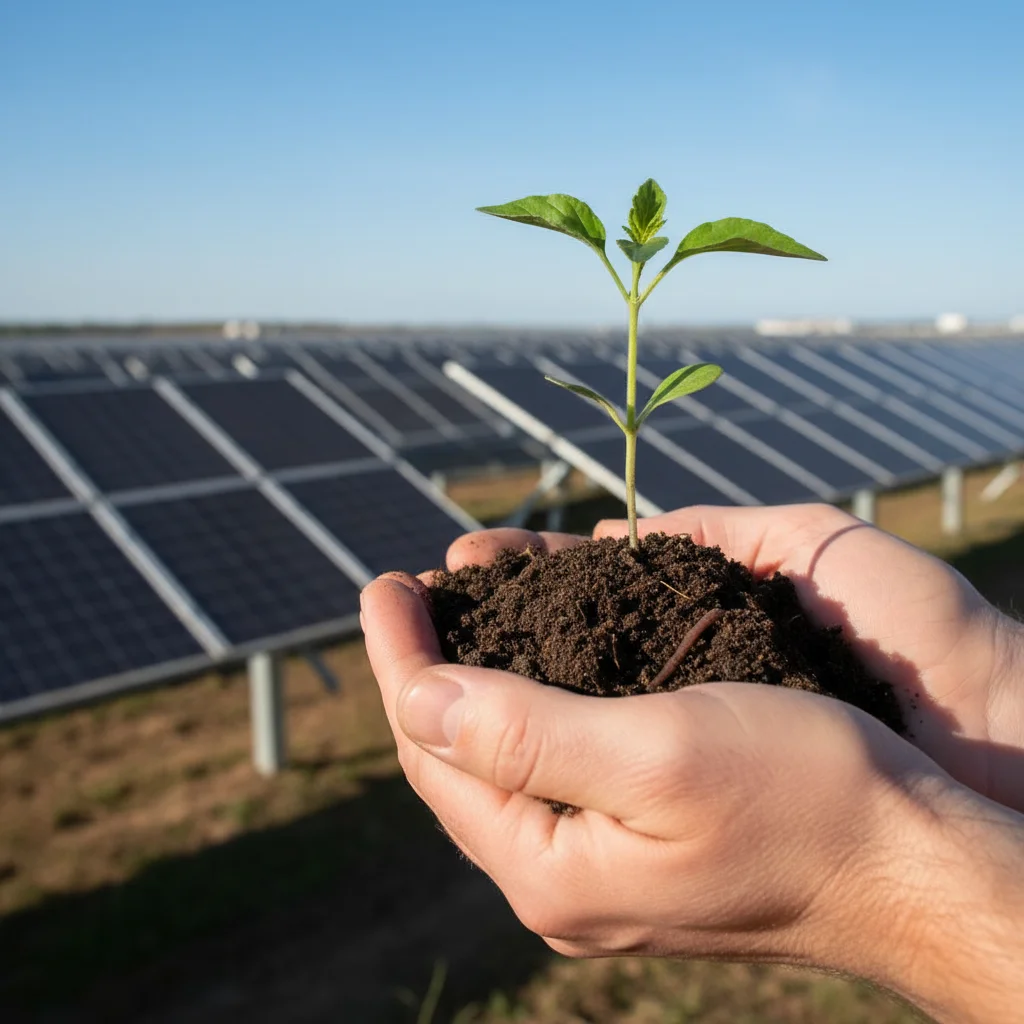
As concerns about food security, environmental degradation from conventional farming, and climate resilience grow, sustainable agriculture is gaining significant traction. This includes organic farming, regenerative agriculture practices, vertical farms, precision agriculture technologies that minimize resource use, and alternative protein sources. Investments in this area contribute to healthier ecosystems, reduced carbon footprints, and more resilient food supply chains, making it a critical component of the broader green economy US.
Waste Management and Circular Economy
Moving away from a linear ‘take-make-dispose’ model towards a circular economy is essential for true sustainability. This sector involves advanced recycling technologies, waste-to-energy solutions, composting, product design for longevity and recyclability, and business models that prioritize reuse and repair. Innovations in material science and industrial symbiosis (where waste from one process becomes a resource for another) are creating new economic opportunities and reducing environmental impact within the green economy US.
Carbon Capture, Utilization, and Storage (CCUS)
While controversial for some, CCUS technologies are seen by many as a vital tool for decarbonizing hard-to-abate industries and achieving net-zero emissions. This sector involves technologies that capture CO2 from industrial sources or directly from the atmosphere, and then either store it underground or utilize it in new products. Significant government funding and private investment are flowing into CCUS projects, particularly for heavy industries like cement, steel, and chemicals, marking it as a high-potential area within the green economy US.
Financial Impact and Investment Strategies for the Green Economy US
The projected 10% growth isn’t just a number; it represents billions of dollars in new investment, job creation, and economic value. For investors, this presents a unique opportunity to align financial goals with environmental values.
Understanding ESG Integration
ESG (Environmental, Social, Governance) criteria are no longer niche considerations; they are becoming mainstream investment factors. Companies with strong ESG profiles often demonstrate better long-term financial performance, lower volatility, and greater resilience to market shocks. Investors in the green economy US should look beyond simple financial metrics and assess a company’s environmental impact, social responsibility, and governance structures. This holistic approach can identify companies that are not only profitable today but also well-positioned for future growth in a sustainability-driven world.
Diversification Across Green Sectors
Just like any investment portfolio, diversification is key. Rather than concentrating all capital in one green sector, investors can spread their risk and maximize potential returns by investing across various segments of the green economy US, such as renewable energy, clean transport, sustainable agriculture, and green finance. This approach allows investors to capture growth from multiple angles and mitigate risks associated with any single technology or market segment.
Public Markets vs. Private Equity
Investment opportunities exist in both public and private markets. Publicly traded companies focused on renewable energy, EVs, or clean tech offer liquidity and transparency. On the other hand, private equity and venture capital funds are actively investing in early-stage green startups and infrastructure projects, offering potentially higher returns but with greater risk and less liquidity. For the sophisticated investor, a blend of both can provide a balanced exposure to the green economy US.
Green Bonds and Sustainable Finance Products
The financial industry has responded to the demand for sustainable investing with a proliferation of green financial products. Green bonds, for instance, are fixed-income instruments specifically designed to fund projects with environmental benefits. Sustainable exchange-traded funds (ETFs) and mutual funds offer diversified exposure to companies engaged in green activities. These products make it easier for a wider range of investors to participate in the growth of the green economy US.
Insider Knowledge: Navigating the Green Investment Landscape
To truly capitalize on the green economy US boom, a deeper understanding of market nuances and future trends is essential.
The Importance of Policy Stability and Evolution
While current policies are highly favorable, the long-term success of green investments often hinges on policy stability. Investors should stay informed about legislative developments and potential shifts in government priorities. Advocacy for consistent, long-term policy frameworks that support decarbonization and sustainable development is crucial for maintaining investor confidence and continued growth in the green economy US.
Supply Chain Resilience and Critical Minerals
The transition to a green economy relies heavily on critical minerals (e.g., lithium, cobalt, rare earth elements) for batteries, solar panels, and other technologies. Geopolitical risks and supply chain vulnerabilities associated with these minerals pose challenges. Smart investors will look for companies that are actively working to diversify their supply chains, engage in ethical sourcing, or innovate in recycling and alternative material development. This focus on supply chain resilience will be a key differentiator in the green economy US.
The Role of Artificial Intelligence and Digitization
AI and digital technologies are not just supporting players; they are transformative forces within the green economy US. AI can optimize energy grids, predict renewable energy output, enhance agricultural efficiency, and streamline waste management. Investors should identify companies that are effectively integrating these advanced technologies to create more efficient, scalable, and impactful green solutions.

Addressing Greenwashing Concerns
As green investing becomes more popular, so too does the risk of ‘greenwashing’ – companies misleadingly portraying their products or policies as environmentally friendly. Diligent research, independent third-party certifications, and a critical eye are essential to differentiate genuinely sustainable enterprises from those merely cashing in on the green trend. Investors need to scrutinize claims and ensure that investments truly contribute to environmental betterment within the green economy US.
The Human Capital Element
The growth of the green economy US requires a skilled workforce. Investments in education, vocational training, and workforce development programs for green jobs are crucial. Companies that prioritize attracting and retaining talent with expertise in renewable energy, clean tech engineering, environmental science, and sustainable finance will have a distinct competitive advantage. This human capital element is often overlooked but is fundamental to long-term success.
Looking Ahead: The Future of the Green Economy US
The projected 10% growth by 2026 is just the beginning. The trajectory of the green economy US points towards sustained expansion for decades to come. As climate challenges intensify and the economic benefits of sustainability become even clearer, the flow of capital into green solutions will only accelerate.
Integration and Mainstreaming
The future will see the green economy becoming increasingly integrated into the mainstream economy, rather than being a separate niche. Sustainable practices will be the norm, not the exception. Every sector, from manufacturing to finance, will have to adapt and incorporate green principles into its core operations. This mainstreaming will open up even broader investment opportunities and solidify the foundation of the green economy US.
Local and Regional Green Hubs
Expect to see the emergence of more local and regional green hubs, where clusters of innovation, manufacturing, and R&D converge around specific green technologies. These hubs, often supported by local government initiatives and academic partnerships, will drive localized economic growth and create specialized ecosystems for the green economy US.
Global Collaboration and Competition
While this article focuses on the US, the green economy is a global phenomenon. International collaboration on climate solutions and sustainable development will intensify, but so too will competition for leadership in green technologies and markets. The US’s ability to innovate and attract global talent will be critical in maintaining its position at the forefront of the global green economy.
Conclusion: A Green Horizon for US Investment
The green economy US is undergoing a transformative boom, offering unparalleled opportunities for growth, innovation, and sustainable prosperity. With investment opportunities projected to surge by 10% by 2026, driven by favorable policies, technological advancements, and increasing demand, the landscape for investors is incredibly fertile. From renewable energy and electric vehicles to sustainable agriculture and circular economy initiatives, the sectors contributing to this growth are diverse and dynamic.
For those looking to invest, strategic diversification, a keen eye on ESG factors, and an understanding of both public and private market avenues are essential. Insider knowledge regarding policy stability, supply chain resilience, technological integration, and discerning genuine sustainability from greenwashing will be critical differentiators for success.
The future of the American economy is inextricably linked to its green evolution. By embracing the principles of sustainability and actively investing in the solutions of tomorrow, stakeholders can not only achieve significant financial returns but also contribute to a more resilient, equitable, and environmentally sound future. The time to invest in the green economy US is now, as the seeds planted today promise a bountiful harvest for years to come.