Digital Fashion Trends 2026: Metaverse, AI, and Sustainability
Digital Fashion Trends 2026: Navigating the Future of Style
The fashion industry stands on the precipice of a monumental transformation, driven by technological advancements and evolving consumer demands. As we hurtle towards 2026, the concept of clothing extends far beyond physical textiles, embracing a new dimension where pixels and algorithms weave the fabric of style. The convergence of digital innovation and creative expression is giving rise to exciting Digital Fashion Trends 2026, fundamentally altering how we perceive, create, consume, and interact with fashion. This comprehensive exploration delves into the key forces shaping this digital revolution, offering insights into the opportunities and challenges that lie ahead.
From the immersive realms of the metaverse to the intelligent capabilities of artificial intelligence and the critical imperative of sustainability, digital fashion is not merely a niche; it is becoming the mainstream. Brands, designers, and consumers alike are beginning to understand that digital fashion offers unparalleled avenues for creativity, personalization, and environmental responsibility. Understanding these evolving Digital Fashion Trends 2026 is crucial for anyone looking to stay relevant and thrive in this dynamic landscape.
The Metaverse: A New Runway for Digital Fashion Trends 2026
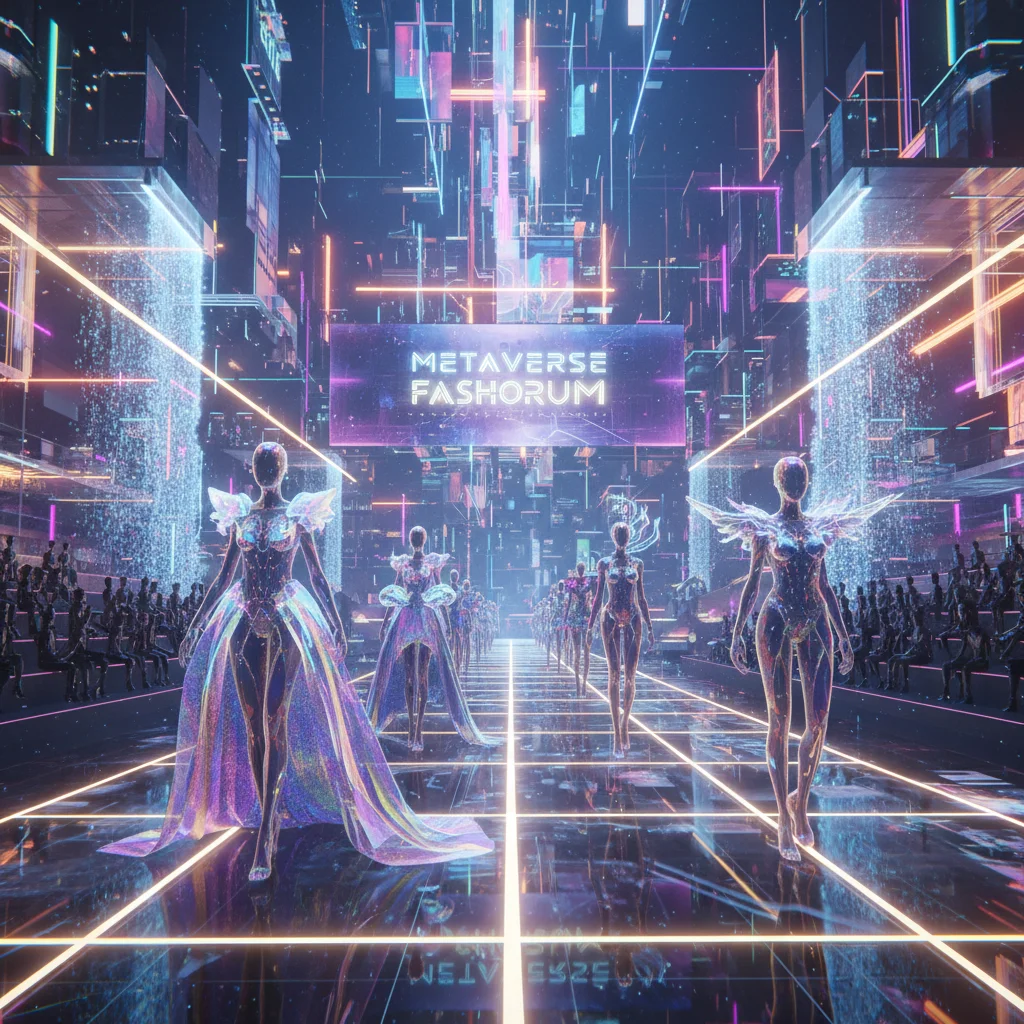
The metaverse, a persistent, interconnected set of virtual spaces, is undeniably the most significant arena for Digital Fashion Trends 2026. It offers an unprecedented platform for self-expression, identity creation, and social interaction through digital avatars. In this burgeoning digital universe, clothing transcends physical limitations, allowing for designs that defy gravity, material properties, and even conventional aesthetics.
Virtual Wardrobes and Avatar Personalization
One of the primary drivers of digital fashion in the metaverse is the desire for avatar personalization. Just as in the physical world, individuals seek to express their unique identities through their digital representations. This has led to a burgeoning market for virtual clothing, accessories, and even hairstyles. Brands are increasingly launching digital collections, allowing users to purchase and adorn their avatars with exclusive, often limited-edition, garments. This trend is set to accelerate, with virtual wardrobes becoming as significant as physical ones for many consumers.
Experiential Fashion and Virtual Events
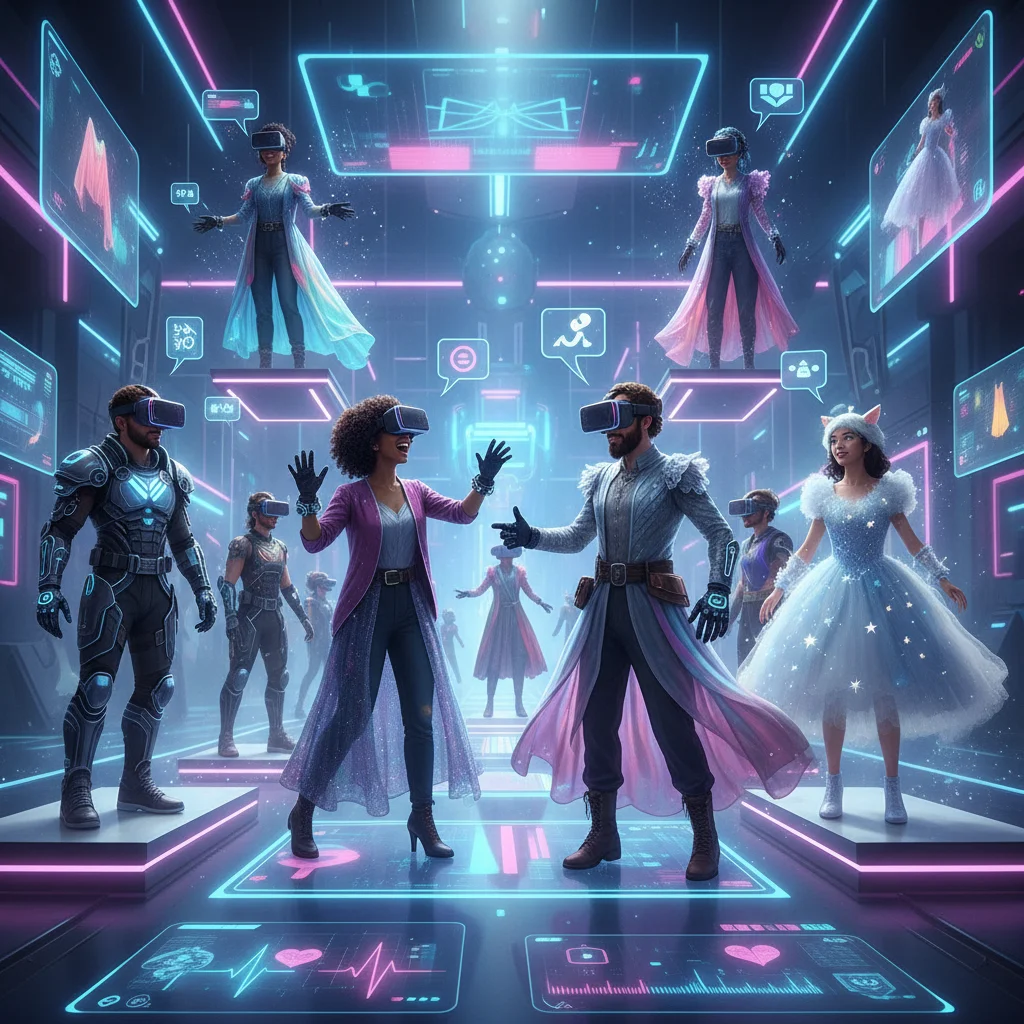
The metaverse is not just about static digital garments; it’s about dynamic, interactive experiences. Virtual fashion shows, concerts, and social gatherings are becoming commonplace, offering immersive ways for consumers to engage with brands and new collections. These events often feature exclusive digital drops, collaborations with virtual artists, and interactive elements that blur the lines between reality and simulation. For Digital Fashion Trends 2026, these experiential events will be crucial for brand engagement and community building.
NFTs and Digital Ownership
Non-Fungible Tokens (NFTs) have revolutionized the concept of digital ownership, providing verifiable proof of authenticity and scarcity for digital assets, including fashion items. NFT fashion allows consumers to truly ‘own’ their digital garments, trade them, and even showcase them across different metaverse platforms. This creates a new economy around digital fashion, enabling designers to monetize their creations in novel ways and fostering a secondary market for rare and coveted digital pieces. The integration of NFTs will continue to be a cornerstone of Digital Fashion Trends 2026.
Artificial Intelligence: The Brain Behind Digital Fashion Trends 2026
Artificial Intelligence (AI) is not just a tool; it’s a co-creator and enabler across the entire digital fashion value chain. From design and production to personalization and retail, AI is streamlining processes, fostering innovation, and enhancing the consumer experience, making it a pivotal element of Digital Fashion Trends 2026.
AI-Powered Design and Creation
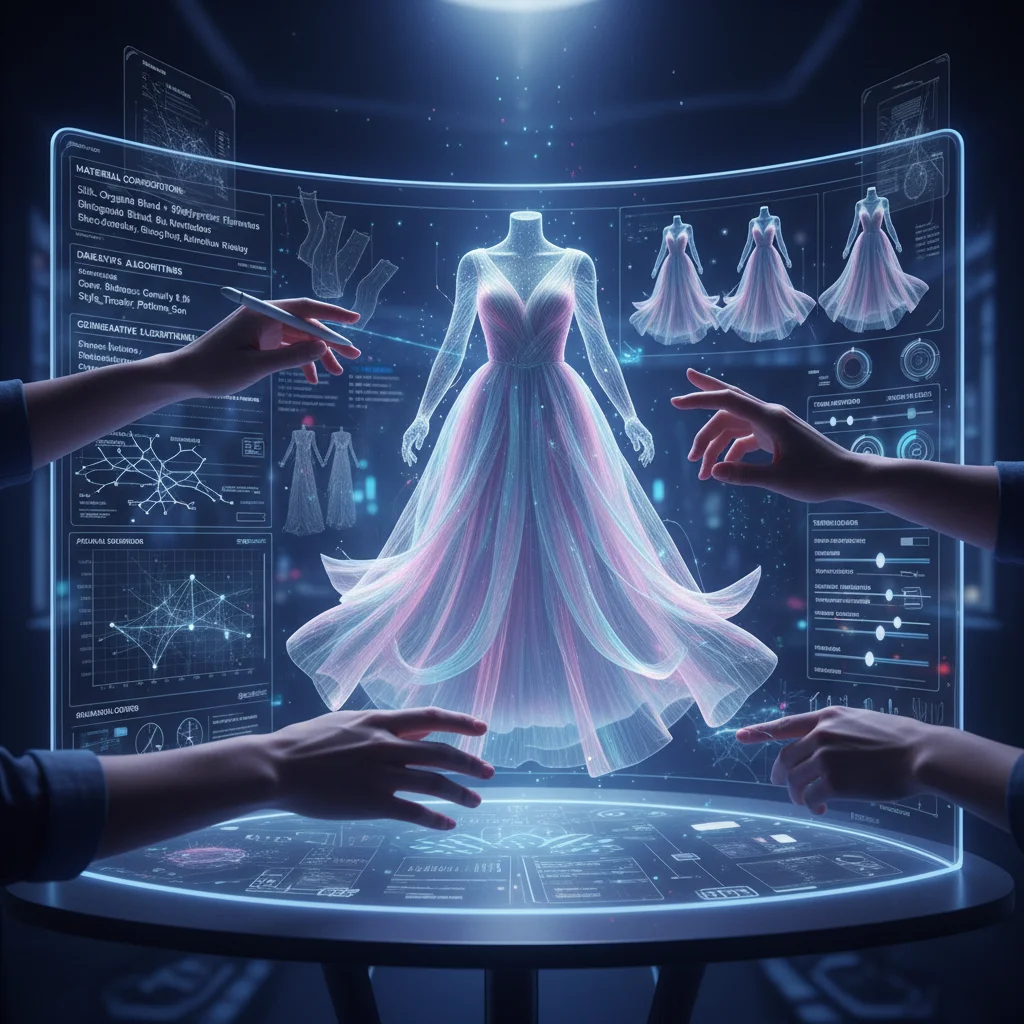
AI algorithms are now capable of generating novel design concepts, experimenting with patterns, textures, and silhouettes at an unprecedented scale. Designers can leverage AI to explore countless iterations, identify emerging stylistic preferences, and even create hyper-realistic 3D garment prototypes without needing physical samples. This not only accelerates the design process but also reduces waste associated with traditional sample production. Generative AI is rapidly becoming an indispensable tool for designers pushing the boundaries of creativity.
Personalization and Recommendation Engines
AI’s ability to analyze vast amounts of data makes it ideal for hyper-personalization. Fashion brands are using AI-driven recommendation engines to suggest digital garments and styles to consumers based on their past purchases, browsing history, avatar characteristics, and even mood. This creates a more tailored and engaging shopping experience, helping consumers discover items that resonate with their digital identity. This level of personalization is a defining characteristic of Digital Fashion Trends 2026.
Supply Chain Optimization and Efficiency
While digital fashion primarily exists in the virtual realm, its connection to the physical world often involves some form of digital-to-physical integration (e.g., creating physical replicas of digital designs for marketing or limited editions). AI can optimize these hybrid supply chains, predicting demand, managing inventory, and even identifying sustainable sourcing options for physical components. This efficiency not only reduces costs but also minimizes environmental impact, aligning with broader sustainability goals.
Sustainability: A Core Pillar of Digital Fashion Trends 2026
The fashion industry’s environmental footprint is a major concern. Digital fashion presents a compelling solution to many of these challenges, positioning sustainability as a fundamental aspect of Digital Fashion Trends 2026. By reducing the need for physical production and transportation, digital fashion inherently offers a more eco-conscious alternative.
Reduced Waste and Resource Consumption
One of the most significant environmental benefits of digital fashion is the drastic reduction in waste. The creation of virtual garments eliminates the need for raw materials, water, energy, and chemicals typically used in traditional manufacturing. This means no textile waste, no dye pollution, and a significantly smaller carbon footprint. Brands can experiment with designs, conduct virtual photoshoots, and even launch entire collections digitally before committing to physical production, thereby minimizing overproduction and unsold inventory.
Circular Digital Fashion Economy
Digital fashion facilitates a truly circular economy. Digital garments can be ‘worn’ by multiple avatars, traded, resold as NFTs, or even digitally ‘recycled’ and repurposed into new designs. This inherent reusability and lack of physical degradation contrast sharply with the linear take-make-dispose model prevalent in traditional fashion. The longevity and versatility of digital assets contribute significantly to a more sustainable fashion ecosystem.
Transparency and Ethical Sourcing
Blockchain technology, often intertwined with NFT fashion, offers unprecedented transparency. It can track the entire lifecycle of a digital garment, from its creation by a designer to its various owners. This transparency can extend to hybrid physical-digital items, providing verifiable information about ethical sourcing and sustainable production practices for any physical components involved. Consumers are increasingly demanding this transparency, making it a key factor in their purchasing decisions within the realm of Digital Fashion Trends 2026.
Augmented Reality (AR) and Virtual Try-Ons
Beyond the metaverse, Augmented Reality (AR) is transforming the pre-purchase experience for both physical and digital garments. AR allows consumers to virtually ‘try on’ clothing using their smartphones or smart mirrors, blending digital elements with the real world. This technology is a critical component of evolving Digital Fashion Trends 2026.
Enhanced Online Shopping Experience
AR virtual try-ons address a major pain point of online shopping: uncertainty about fit and appearance. By allowing customers to see how a garment looks on their own body (or a 3D avatar created from their measurements), AR significantly reduces return rates and enhances customer satisfaction. This immersive preview fosters greater confidence in online purchases, bridging the gap between digital visualization and physical reality.
Interactive Marketing and Engagement
Brands are leveraging AR for innovative marketing campaigns, creating interactive experiences where consumers can engage with products in a playful and personalized way. Imagine an AR filter that allows you to instantly ‘wear’ a new digital accessory or see a virtual runway show unfold in your living room. These engaging experiences not only promote products but also create memorable brand interactions, driving consumer interest in Digital Fashion Trends 2026.
Challenges and Opportunities in Digital Fashion Trends 2026
While the future of digital fashion looks bright, there are inherent challenges that the industry must address to fully realize its potential. However, these challenges also present significant opportunities for innovation and growth, shaping the trajectory of Digital Fashion Trends 2026.
Interoperability and Standardization
One of the biggest hurdles is the lack of interoperability between different metaverse platforms. Currently, a digital garment purchased in one virtual world may not be transferable or usable in another. Achieving standardization and seamless interoperability is crucial for a truly expansive and user-friendly digital fashion ecosystem. This will require collaboration among tech companies, brands, and industry bodies.
Digital Scarcity vs. Accessibility
The concept of digital scarcity, often driven by NFTs, creates exclusivity and value. However, balancing this with accessibility and inclusivity is vital. Digital fashion has the potential to democratize style, offering high-fashion aesthetics to a broader audience without the prohibitive costs of physical luxury items. Brands must navigate this balance carefully to foster both desirability and widespread adoption.
Intellectual Property and Copyright
Protecting intellectual property in the digital realm is a complex issue. As digital designs become easier to replicate, robust frameworks for copyright and design protection are essential to safeguard the creativity and investments of designers and brands. Blockchain technology offers some solutions, but legal and ethical guidelines need to evolve rapidly to keep pace with technological advancements.
New Revenue Streams and Business Models
Digital fashion opens up entirely new revenue streams beyond traditional sales. This includes licensing digital assets, creating subscription services for virtual wardrobes, offering customization options, and generating royalties from secondary market NFT sales. Brands can explore innovative business models that leverage the unique properties of digital goods, creating diversified and resilient income sources.
Talent and Skill Development
The rise of digital fashion necessitates a new set of skills within the industry. Designers need to be proficient in 3D modeling, animation, game design engines, and blockchain technologies. Educational institutions and brands must invest in training and upskilling programs to cultivate the next generation of digital fashion talent, ensuring a robust workforce capable of driving Digital Fashion Trends 2026 forward.
The Future Role of the Physical in Digital Fashion Trends 2026
While digital fashion is gaining immense traction, it is unlikely to completely replace physical clothing. Instead, we can anticipate a synergistic relationship where the physical and digital realms complement each other, creating a richer and more integrated fashion experience. This hybrid approach will be a defining characteristic of Digital Fashion Trends 2026.
Phygital Products and Experiences
The concept of ‘phygital’ – combining physical and digital elements – will become more prevalent. This could involve physical garments that come with a corresponding digital twin for metaverse use, or digital garments that can be ‘redeemed’ for a limited-edition physical counterpart. Such offerings create added value and enhance brand loyalty by bridging the two worlds.
Digital as a Catalyst for Physical Sustainability
Digital fashion can serve as a powerful tool for promoting sustainable practices in the physical world. By using digital samples, virtual showrooms, and AR try-ons, brands can significantly reduce the environmental impact of their physical collections. The lessons learned from the circularity of digital fashion can also inspire and inform more sustainable production and consumption models for physical goods.
Physical as Inspiration for Digital Creativity
Conversely, the craftsmanship, tactile qualities, and heritage of physical fashion will continue to inspire digital designers. The challenge will be to translate these intricate details and emotional connections into the digital realm, creating virtual garments that evoke the same sense of artistry and luxury. The interplay between physical and digital creativity will push the boundaries of design in both spheres.
Conclusion: Embracing the Digital Fashion Revolution of 2026
The landscape of fashion is undergoing an irreversible transformation, with Digital Fashion Trends 2026 at the forefront of this evolution. The metaverse offers new canvases for self-expression, AI provides intelligent tools for creation and personalization, and sustainability emerges as a guiding principle for a more responsible industry. Brands and designers who embrace these trends will not only remain competitive but will also lead the charge in shaping a future where fashion is more inclusive, innovative, and environmentally conscious.
The journey into digital fashion is just beginning. As technology continues to advance and creative boundaries are pushed, we can expect even more astonishing developments. From hyper-realistic virtual models to brain-computer interfaces that allow us to ‘feel’ digital textures, the possibilities are virtually limitless. Staying informed, adaptable, and innovative will be key to navigating and thriving within the exciting world of Digital Fashion Trends 2026.
The future of style is digital, and it promises to be as diverse, dynamic, and imaginative as the human spirit itself. Prepare to dress your avatars, explore virtual runways, and redefine what it means to be fashionable in a truly interconnected world.