US ESG Funds: Outperforming Traditional Investing by 3% in 2026
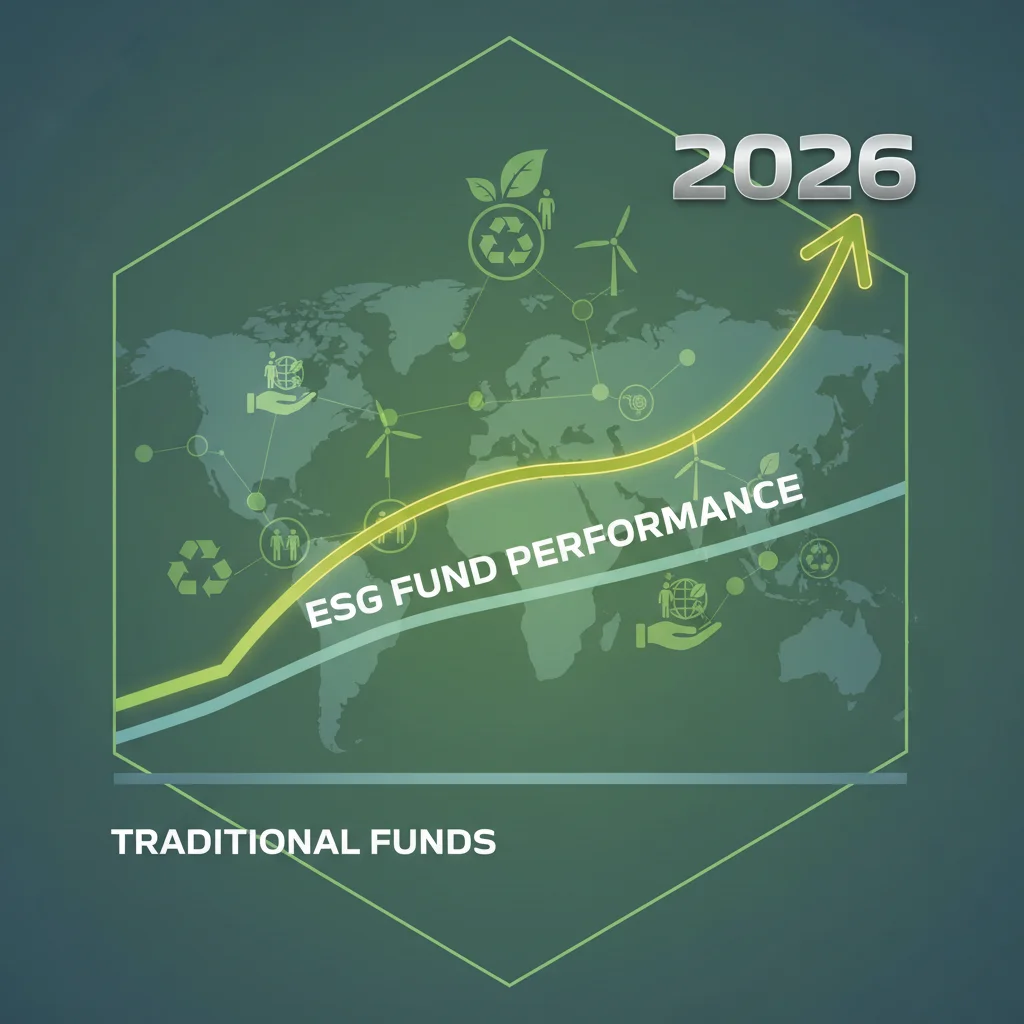
In the dynamic landscape of global finance, a significant shift is underway, one that promises not only financial gain but also a profound positive impact on the world. The era of sustainable investing, particularly through US ESG funds, is no longer a niche concept but a mainstream powerhouse. Recent projections and insider knowledge suggest a compelling future: by 2026, US ESG funds are anticipated to outperform traditional investment vehicles by a notable 3%. This isn’t just a fleeting trend; it represents a fundamental re-evaluation of value and risk in the financial markets.
For years, the debate surrounding ESG (Environmental, Social, and Governance) investing centered on whether it was possible to ‘do good’ while also ‘doing well’ financially. Skeptics often argued that prioritizing non-financial factors would inherently lead to lower returns. However, mounting evidence, coupled with evolving market dynamics and increasing investor awareness, is decisively tipping the scales. The 3% projected outperformance of US ESG funds by 2026 is a powerful testament to the maturity and efficacy of this investment approach.
This comprehensive article will delve into the multifaceted reasons behind this projected outperformance, exploring the key drivers, the tangible financial impact, and the strategic implications for both individual and institutional investors. We will uncover how shifting consumer preferences, stringent regulatory frameworks, technological advancements, and a deeper understanding of systemic risks are all converging to create a fertile ground for sustainable investments. Understanding these forces is crucial for anyone looking to navigate the future of finance and harness the power of US ESG funds for superior returns.
Defining US ESG Funds: More Than Just Greenwashing
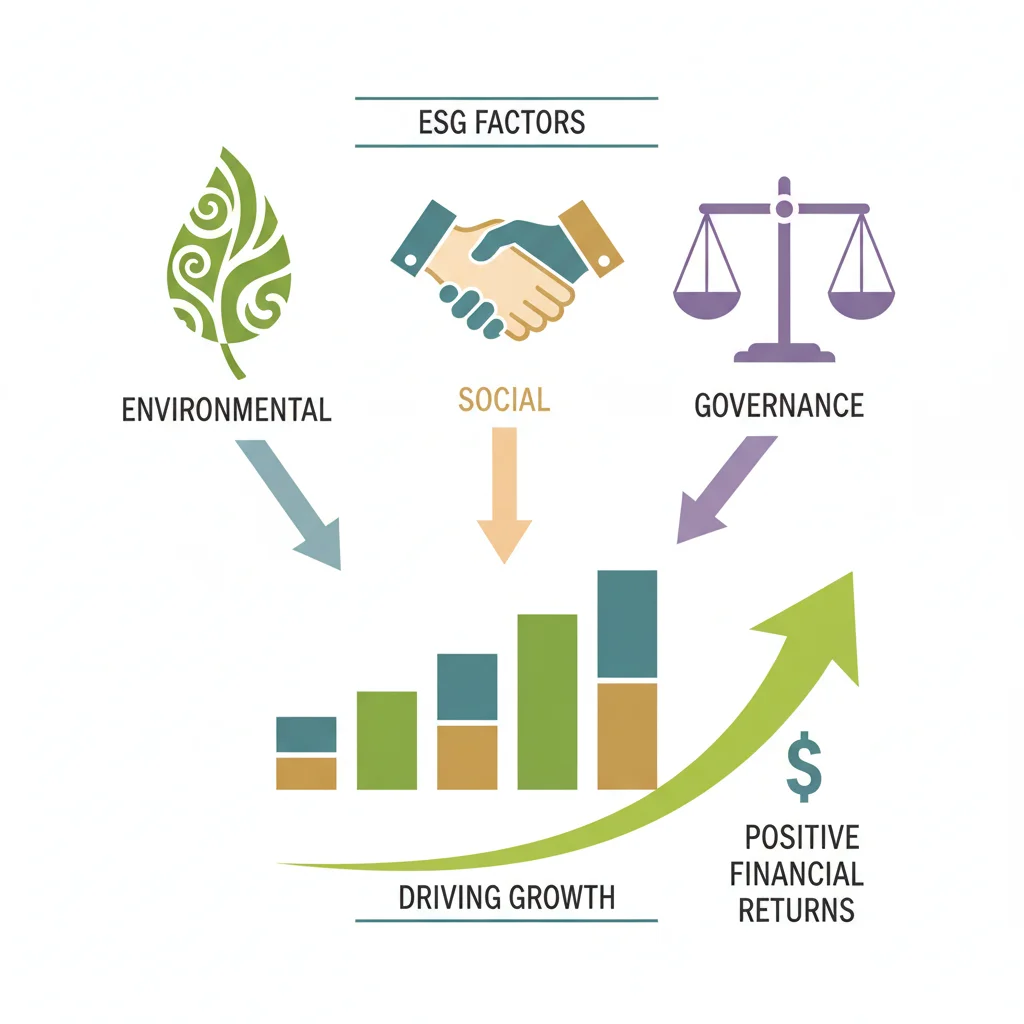
Before we dissect the outperformance, it’s essential to clearly define what constitutes US ESG funds. ESG investing, at its core, integrates environmental, social, and governance factors into investment decisions. This goes beyond simple ethical screening; it’s about identifying companies that are better managed, more resilient, and ultimately more sustainable in the long term. For environmental factors, this includes climate change mitigation, resource scarcity, pollution, and biodiversity. Social considerations encompass labor practices, human rights, community relations, and product safety. Governance factors relate to company leadership, executive compensation, audits, internal controls, and shareholder rights.
The ‘US’ aspect of these funds refers to investments primarily focused on companies operating within the United States market, adhering to or influencing US-specific regulatory and market conditions. These funds are actively seeking out companies that demonstrate strong performance across these non-financial metrics, believing that such performance is indicative of operational excellence, reduced risk, and long-term value creation. The rigorous analysis involved in selecting companies for US ESG funds means that they are often populated by businesses with robust risk management strategies, innovative solutions to global challenges, and a forward-thinking approach to their societal impact.
It’s crucial to distinguish genuine ESG integration from ‘greenwashing’ – a practice where companies or funds merely make superficial claims about sustainability without substantive action. Reputable US ESG funds employ transparent methodologies, often leveraging third-party ratings and comprehensive data analysis, to ensure that their holdings genuinely align with ESG principles. This commitment to authenticity is a significant factor in their growing credibility and, consequently, their financial success. As investor scrutiny increases, the demand for verifiable ESG credentials drives companies to improve their practices, which in turn enhances the quality and performance of these specialized funds.
The 3% Outperformance: Understanding the Mechanics
The projection of US ESG funds outperforming traditional funds by 3% by 2026 is not a random forecast but an informed estimation based on several converging factors. This outperformance stems from a combination of risk mitigation, innovation, and stronger corporate fundamentals inherent in ESG-focused companies. Companies with strong ESG profiles are typically better positioned to navigate regulatory changes, public scrutiny, and supply chain disruptions. For instance, companies with proactive environmental policies are less likely to face carbon taxes or fines for pollution. Similarly, those with robust social programs often experience higher employee morale, lower turnover, and stronger brand loyalty.
Furthermore, ESG-conscious companies are often at the forefront of innovation, developing sustainable products and services that cater to a growing market of environmentally and socially aware consumers. This innovative edge can translate into new revenue streams, competitive advantages, and expanded market share. Consider the rapid growth in renewable energy, electric vehicles, or sustainable agriculture – sectors heavily favored by US ESG funds. These areas are experiencing secular growth trends that are unlikely to reverse, providing a powerful tailwind for ESG investments.
From a financial perspective, companies with strong governance structures are less prone to corporate scandals, accounting irregularities, and executive misconduct, which can severely impact shareholder value. Better governance leads to more efficient capital allocation, reduced operational risks, and greater transparency, all contributing to more stable and predictable financial performance. The cumulative effect of these advantages – reduced risk, enhanced innovation, and superior governance – translates directly into stronger financial results that are increasingly being recognized and rewarded by the market. This recognition is a core driver of the anticipated 3% outperformance for US ESG funds.
Key Drivers Behind the Growth of US ESG Funds
Several powerful forces are propelling the growth and outperformance of US ESG funds. Understanding these drivers is key to appreciating the longevity and robustness of this investment trend.
Shifting Investor Demographics and Preferences
A significant portion of new investors, particularly millennials and Gen Z, prioritize sustainability and ethical considerations in their investment decisions. This demographic shift is creating an unprecedented demand for ESG-aligned products. These investors are not just looking for financial returns; they want their investments to reflect their values and contribute positively to global challenges. This growing pool of capital flowing into US ESG funds inherently drives up their valuations and encourages more companies to adopt sustainable practices to attract this capital.
Evolving Regulatory Landscape
Governments and regulatory bodies worldwide, including in the US, are increasingly implementing policies that favor sustainable practices. This includes carbon pricing, stricter environmental regulations, mandatory ESG disclosures, and incentives for green technologies. Companies that are already aligned with these emerging regulations face fewer compliance risks and are better positioned to capitalize on new market opportunities. Conversely, companies that lag in ESG adoption face potential penalties, reputational damage, and stranded assets. The regulatory environment acts as a strong catalyst for ESG integration, benefiting US ESG funds that invest in compliant and forward-thinking companies.
Improved Data and Analytics
The availability of more comprehensive and reliable ESG data has revolutionized the ability of investors to accurately assess and integrate ESG factors. Advanced analytics and AI are now being used to sift through vast amounts of information, identify material ESG risks and opportunities, and construct sophisticated ESG portfolios. This improved transparency and analytical capability remove much of the subjectivity that once plagued ESG investing, allowing for more informed and data-driven decisions that enhance the performance of US ESG funds.
Corporate Awareness and Integration
Companies themselves are increasingly recognizing the strategic importance of ESG. Beyond ethical considerations, they understand that strong ESG performance can lead to operational efficiencies, enhanced brand reputation, better talent attraction and retention, and improved access to capital. Many corporations are now proactively setting ambitious sustainability targets, investing in renewable energy, improving labor practices, and strengthening governance structures. This widespread corporate adoption of ESG principles provides a deeper and broader pool of high-quality assets for US ESG funds to invest in, further fueling their growth and performance.

The Financial Impact: Beyond Just Returns
While the projected 3% outperformance of US ESG funds is a compelling financial metric, the impact of sustainable investing extends far beyond simple returns. It encompasses risk reduction, enhanced resilience, and long-term value creation that can fundamentally alter an investment portfolio’s trajectory.
Reduced Risk Exposure
Companies with strong ESG practices are generally more adept at identifying and mitigating various forms of risk. Environmentally responsible companies face lower risks from climate change impacts, resource scarcity, and regulatory fines. Socially conscious companies experience fewer labor disputes, supply chain disruptions due to poor working conditions, and reputational damage from ethical lapses. Well-governed companies are less susceptible to corruption, executive mismanagement, and shareholder activism. This inherent risk reduction provides a more stable foundation for investment, making US ESG funds potentially less volatile and more resilient during market downturns.
Enhanced Long-Term Value Creation
ESG factors are increasingly recognized as material to a company’s long-term financial health. Investing in companies that are proactively addressing sustainability challenges and embracing responsible business practices means investing in businesses that are better positioned for future growth and profitability. These companies are building stronger brands, fostering deeper customer loyalty, attracting top talent, and innovating for future markets. This focus on long-term value creation, rather than short-term gains, is a hallmark of successful US ESG funds and contributes significantly to their superior performance over time.
Access to New Markets and Opportunities
The transition to a more sustainable global economy is opening up vast new markets and investment opportunities. From renewable energy infrastructure to sustainable agriculture, green technology, and circular economy solutions, companies at the forefront of these innovations are poised for substantial growth. US ESG funds are strategically positioned to capture these opportunities, investing in the companies that are not just adapting to change but actively driving it. This forward-looking approach allows them to tap into high-growth sectors that may be overlooked by traditional investment strategies.
Navigating the Landscape: Challenges and Considerations
While the outlook for US ESG funds is overwhelmingly positive, it’s important to acknowledge that the landscape is not without its challenges and considerations. Investors need to be discerning and well-informed to truly benefit from this trend.
Data Consistency and Standardization
Despite significant improvements, ESG data still lacks universal standardization. Different rating agencies use varying methodologies, leading to inconsistencies in company scores. This can make it challenging for investors to compare funds and companies directly. However, efforts are underway globally to standardize ESG reporting frameworks, which will further enhance transparency and reliability for US ESG funds.
Greenwashing Concerns
As ESG investing gains popularity, the risk of ‘greenwashing’ increases. Some companies or funds may exaggerate their sustainability credentials without genuinely integrating ESG principles. Investors must conduct thorough due diligence, examining a fund’s prospectus, holdings, and the methodologies used for ESG integration, rather than relying solely on marketing claims. Reputable US ESG funds will provide clear and verifiable evidence of their ESG commitments.
Active vs. Passive ESG Investing
Investors have the choice between actively managed US ESG funds and passive ESG index funds. Active funds offer the potential for higher alpha through skilled fund management and deep ESG research, but come with higher fees. Passive funds offer broad market exposure to ESG leaders at a lower cost, but may not be as nimble in adapting to rapidly evolving ESG issues. The choice depends on an investor’s risk tolerance, cost sensitivity, and belief in active management’s ability to outperform.
Strategic Insights for Investing in US ESG Funds
For investors looking to capitalize on the projected outperformance of US ESG funds, a strategic approach is paramount. Here are some key insights:
Diversification is Key
As with any investment strategy, diversification remains crucial. While US ESG funds offer compelling opportunities, it’s wise to diversify across different sectors, company sizes, and even different ESG themes (e.g., climate change solutions, social equity, sustainable technology). This helps mitigate risks associated with overconcentration in any single area.
Long-Term Perspective
ESG investing is inherently a long-term strategy. The benefits of sustainable practices – reduced risk, innovation, and strong governance – accrue over extended periods. Investors should adopt a long-term perspective, understanding that short-term market fluctuations are normal and do not diminish the fundamental strengths of US ESG funds.
Stay Informed and Engage
The ESG landscape is constantly evolving. Staying informed about new regulations, emerging ESG themes, and advancements in data analytics is vital. Investors can also consider engaging with fund managers and companies to advocate for stronger ESG practices, thereby contributing to both financial returns and positive societal impact through their US ESG funds.
Consider Impact Investing
For those seeking even greater direct impact alongside financial returns, exploring impact investing within the ESG framework can be beneficial. Impact investments specifically target measurable positive social or environmental outcomes alongside financial returns. While all US ESG funds aim for some level of positive impact, dedicated impact funds often have more stringent criteria and reporting on their non-financial achievements.
The Future is Sustainable: US ESG Funds Leading the Way
The projected 3% outperformance of US ESG funds over traditional investments by 2026 is more than just a financial prediction; it’s a reflection of a fundamental shift in how value is created and perceived in the global economy. Companies that prioritize environmental stewardship, social responsibility, and robust governance are proving to be more resilient, innovative, and ultimately, more profitable.
This trend is not a fleeting fad but a deeply entrenched movement driven by evolving investor preferences, supportive regulatory environments, technological advancements, and a growing corporate understanding of sustainability as a strategic imperative. As we move closer to 2026, the financial markets will increasingly reward companies that are prepared for the challenges and opportunities of a sustainable future. Those who invest wisely in US ESG funds today are positioning themselves not only for superior financial returns but also for a role in shaping a more sustainable and equitable world.
The evidence is compelling: integrating ESG factors into investment decisions is no longer a trade-off but a pathway to enhanced performance and positive impact. The future of finance is sustainable, and US ESG funds are at the forefront of this transformative journey. Investors who recognize and act on this insight will be well-rewarded in the years to come, reaping both financial success and the satisfaction of contributing to a better planet. The 3% outperformance is just the beginning of a larger story of value creation through responsible investing.
Embracing US ESG funds means investing in companies that are building a more sustainable future, demonstrating superior risk management, fostering innovation, and upholding strong ethical standards. This holistic approach to investing is proving to be a winning strategy, making these funds an indispensable component of any forward-looking investment portfolio. The journey towards 2026 will undoubtedly confirm the growing dominance and profitability of sustainable investing, with US ESG funds leading the charge.
Ultimately, the narrative around ESG investing has shifted from ‘why’ to ‘how’. The question is no longer whether sustainable practices matter, but how effectively they can be integrated into investment strategies to yield superior results. The projected outperformance of US ESG funds provides a clear answer, signaling a robust and rewarding path for investors who choose to align their capital with purpose and performance.