Creator Economy Trends 2026: Shaping American Culture
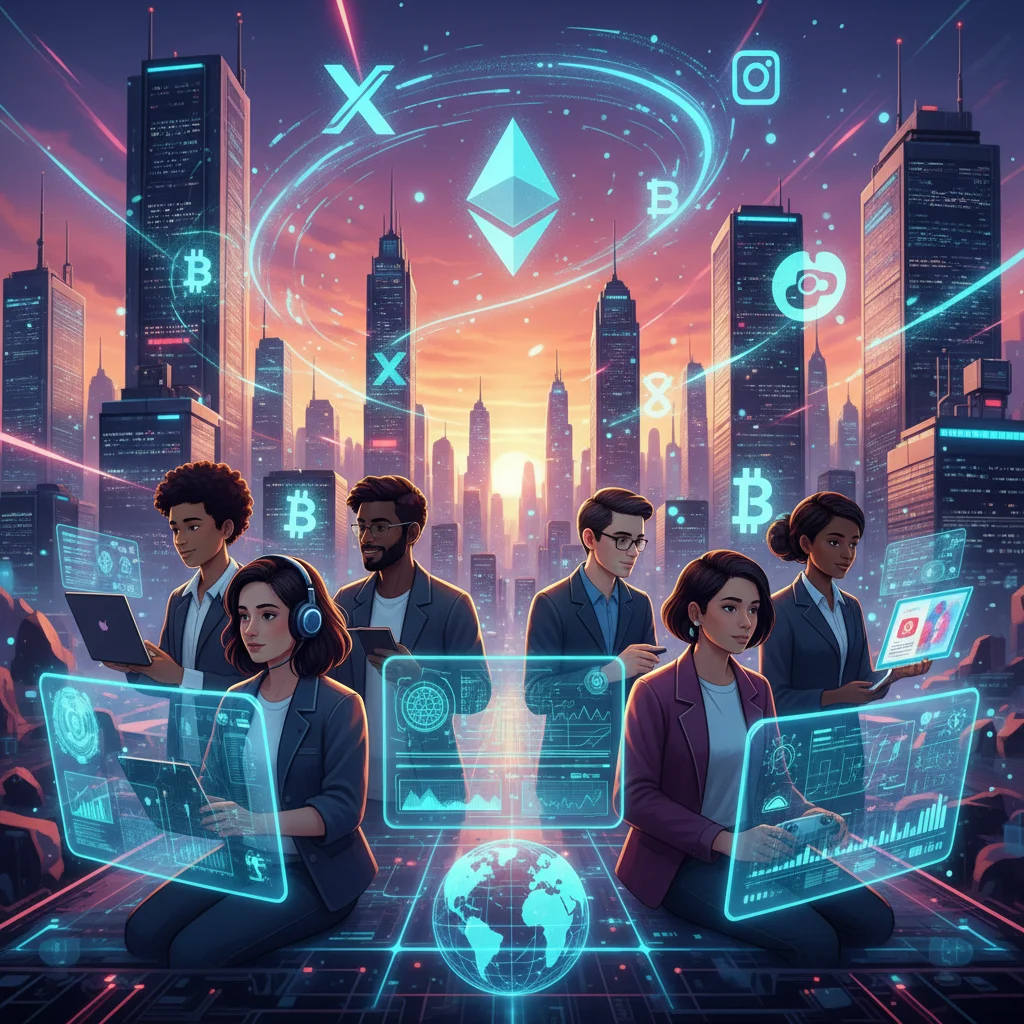
The digital landscape is a constantly evolving tapestry, and at its heart lies the formidable force known as the creator economy trends. What began as a niche pursuit for a few charismatic individuals has blossomed into a multi-billion dollar industry, fundamentally reshaping how we consume content, learn, entertain ourselves, and even conduct business. As we hurtle towards 2026, the pace of change is only accelerating, driven by technological advancements, shifting consumer behaviors, and an ever-growing pool of talented individuals seeking to monetize their passions. This in-depth analysis will decode the five pivotal creator economy trends that are not just influencing, but actively molding American culture, offering insider knowledge and a robust comparison of their potential impacts.
Understanding these trends is not merely an academic exercise; it’s crucial for creators, brands, investors, and anyone invested in the future of digital interaction. From novel monetization strategies to the pervasive influence of artificial intelligence, these shifts represent both unprecedented opportunities and significant challenges. Let’s embark on a journey to uncover the forces that will define the next chapter of the creator economy.
Trend 1: The Hyper-Personalization of Monetization and Audience Engagement
Gone are the days when advertising revenue and sponsored posts were the sole pillars of a creator’s income. By 2026, the creator economy will be characterized by an unprecedented level of hyper-personalization in both monetization and how creators interact with their audiences. This trend is a direct response to audience fatigue with generic content and a desire for more authentic, direct relationships with their favorite creators.
Direct-to-Fan Subscriptions and Memberships: Beyond the Paywall
While platforms like Patreon and Substack have long championed subscription models, 2026 will see an explosion of more sophisticated and integrated direct-to-fan offerings. Creators will move beyond simple paywalls to offer tiered memberships with highly specific perks: exclusive access to behind-the-scenes content, one-on-one virtual hangouts, personalized feedback sessions, early access to products, and even voting rights on future content. The key differentiator will be the level of perceived value and exclusivity tailored to different fan segments. For instance, a gaming creator might offer a ‘Guild Leader’ tier that includes private Discord access and collaborative game sessions, while a cooking influencer could provide a ‘Master Chef’ tier with personalized meal plans and live Q&A cooking classes.
Micro-Donations and "Tip Jar" Culture Evolution
The concept of tipping creators has been around for years, but its evolution will be profound. Expect more integrated, seamless micro-donation features within platforms, often tied to specific moments or content. Think of "cheering" a specific joke in a comedy sketch or "applauding" a particularly insightful point in an educational video. These aren’t just about financial support; they’re about instant, granular feedback and appreciation. Furthermore, gamified tipping mechanisms, where donations unlock special emotes, badges, or even temporary spotlight features, will become commonplace, turning financial support into an interactive experience.
Fractional Ownership and Community-Owned IP
This is where the future gets really interesting. Leveraging blockchain technology (which we’ll delve into further), creators will begin to experiment with fractional ownership of their intellectual property. Imagine a musician selling "shares" in a new album, allowing fans to earn a percentage of future royalties, or an artist offering fractional ownership of a digital art series. This not only provides a new revenue stream but also deeply incentivizes fans to promote and support the creator, as they now have a tangible stake in their success. Community-owned IP could see fan communities collectively funding and owning creative projects, blurring the lines between consumer and investor.
Personalized Product and Service Offerings
Creators are increasingly becoming entrepreneurs. Beyond traditional merchandise, 2026 will see a surge in highly personalized products and services. A fitness influencer might offer bespoke workout plans generated by AI based on individual user data, or a beauty guru could launch custom-blended cosmetics. The emphasis here is on leveraging the creator’s unique expertise and audience insights to develop offerings that resonate deeply with individual needs, moving away from mass-market products towards curated, high-value solutions.
Trend 2: The Pervasive Integration of AI and Automation
Artificial Intelligence is no longer a futuristic concept; it’s a present-day reality rapidly transforming every industry, and the creator economy is no exception. By 2026, AI and automation will be deeply embedded in the creator workflow, acting as powerful co-pilots rather than replacements.
AI-Powered Content Generation and Augmentation
Creators will leverage AI for everything from generating initial content ideas and drafting scripts to creating background music, voiceovers, and even basic video edits. AI tools will analyze trending topics, audience engagement data, and even a creator’s past content to suggest new angles or formats. While human creativity remains paramount, AI will significantly reduce the time and effort spent on repetitive or laborious tasks. For instance, an AI could generate multiple variations of a video thumbnail, write compelling YouTube descriptions, or even create short-form video clips from longer content for different platforms.
Hyper-Efficient Content Distribution and Scheduling
Managing multiple platforms and optimizing posting times can be a headache for creators. AI-powered scheduling tools will analyze audience behavior across various platforms (TikTok, Instagram, YouTube, etc.) to determine the optimal time to post for maximum reach and engagement. These tools will also assist in cross-platform content repurposing, automatically reformatting videos for different aspect ratios or generating platform-specific captions, ensuring creators can efficiently reach their audience wherever they are.
Audience Analytics and Engagement Optimization
AI will provide creators with unprecedented insights into their audience. Beyond basic demographics, AI will analyze sentiment, identify key discussion points in comments, predict audience preferences for future content, and even suggest personalized engagement strategies. Imagine an AI identifying a segment of your audience that responds particularly well to Q&A sessions and prompting you to host one, or flagging comments that require immediate attention. This allows creators to foster stronger, more responsive communities.
Personalized Learning and Skill Development for Creators
AI won’t just help with content; it will also empower creators to upskill. AI-driven platforms will offer personalized learning paths based on a creator’s current skills, goals, and audience feedback. Want to improve your video editing? An AI might recommend specific tutorials or provide real-time feedback on your edits. This democratizes access to specialized knowledge, allowing more creators to refine their craft and stay competitive.
Trend 3: Web3 and the Decentralization of Creative Ownership
The promise of Web3 – a decentralized internet built on blockchain technology – is poised to revolutionize the concept of ownership and value within the creator economy. While still in its nascent stages, by 2026, its influence will be undeniable.
NFTs as Digital Collectibles and Access Passes
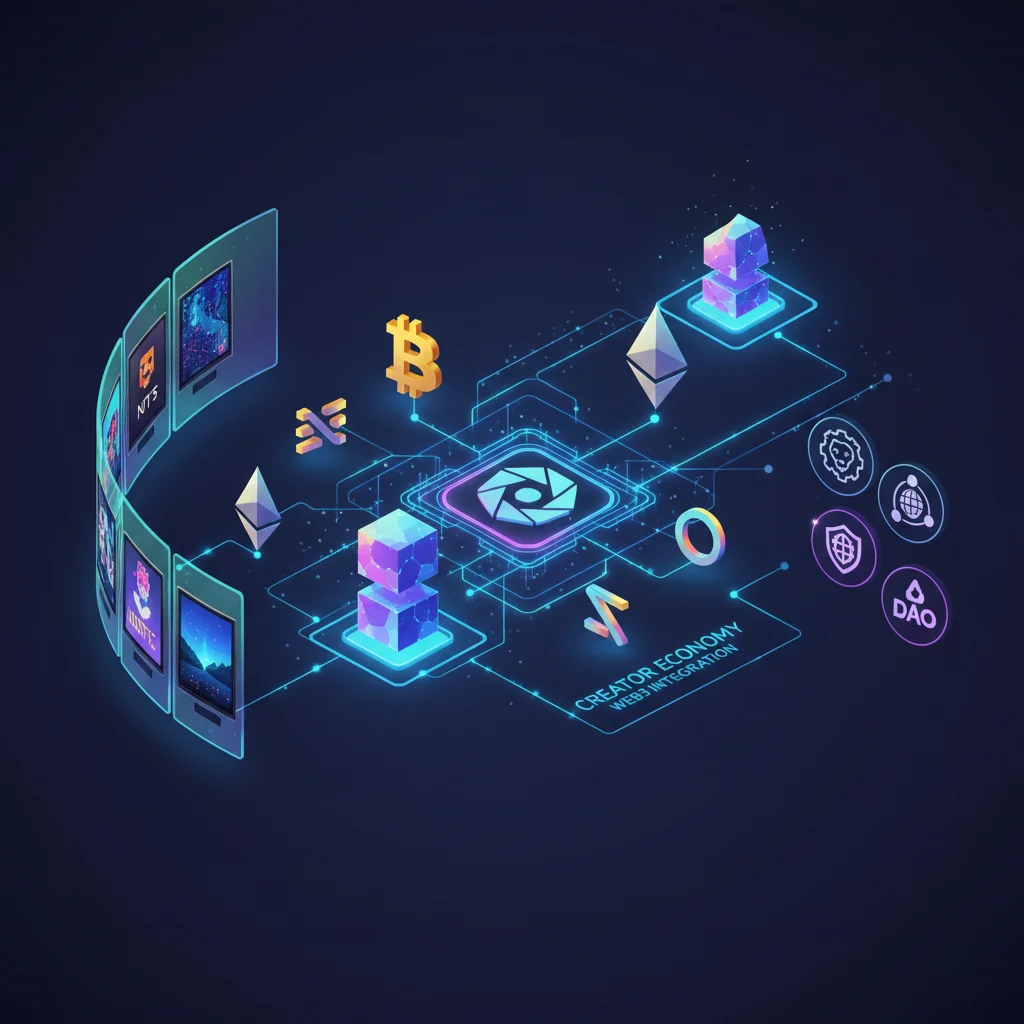
Non-Fungible Tokens (NFTs) will evolve beyond speculative art investments. They will become integral to creator-fan relationships, serving as digital collectibles, exclusive access passes, and verifiable proof of ownership for digital assets. Imagine NFTs that grant lifetime access to a creator’s exclusive Discord server, early entry to live events, or even a share of future royalties from a specific project. This creates a new layer of scarcity and value for digital content, fostering deeper engagement and providing creators with a direct, transparent revenue stream.
Decentralized Autonomous Organizations (DAOs) for Creative Projects
DAOs represent a paradigm shift in how creative projects are funded, managed, and owned. Creators will form DAOs with their most dedicated fans and collaborators, allowing collective decision-making on everything from content direction to revenue allocation. This fosters a truly collaborative environment where the community has a direct stake and voice. For example, a group of indie game developers could form a DAO to fund their next project, with NFT holders voting on game features and sharing in the game’s success.
Creator Coins and Social Tokens
The concept of "creator coins" or "social tokens" will gain traction. These are cryptocurrencies issued by individual creators, allowing their communities to invest directly in their brand. Holding a creator’s token could grant access to exclusive content, voting rights, or even discounts on merchandise. This creates a micro-economy around a creator, aligning the financial incentives of the creator and their most ardent supporters. It’s a powerful tool for community building and long-term value creation.
True Ownership of Data and Content
Web3 promises to give creators more control over their data and content, moving away from centralized platforms that often dictate terms and take a significant cut. Decentralized content hosting and distribution platforms will emerge, allowing creators to own their content outright and choose how it’s monetized. This reduces reliance on platform algorithms and policies, empowering creators with greater autonomy and potentially higher earnings.
Trend 4: The Rise of Niche Communities and Hyper-Targeted Content
While mainstream appeal once dominated the digital sphere, 2026 will solidify the power of niche communities. The internet’s vastness allows for the aggregation of highly specific interests, and creators who cater to these "micro-audiences" will thrive.
"Passion Economy" Dominance
The "passion economy" – where individuals monetize their unique skills and interests – will reach new heights. Creators will no longer feel pressured to appeal to the broadest possible audience. Instead, they will focus on serving highly specific, deeply engaged communities. This could range from creators specializing in vintage typewriter repair to those teaching advanced techniques for a niche video game. The depth of engagement within these communities often translates to higher conversion rates and stronger monetization opportunities, even with smaller audience sizes.
Micro-Influencers and Nano-Influencers as Brand Powerhouses
Brands will increasingly recognize the unparalleled authenticity and trust that micro- and nano-influencers command within their niche communities. These creators, with smaller but highly dedicated followings, often generate significantly higher engagement rates than mega-influencers. By 2026, brand partnerships will shift further towards these targeted collaborations, valuing genuine connection over sheer reach. This empowers more creators, regardless of their follower count, to build sustainable careers.
Community-First Platform Design
New platforms will emerge, and existing ones will adapt, with a strong emphasis on fostering intimate, community-driven spaces. Think of platforms designed specifically for artists to share works-in-progress and get peer feedback, or educational communities built around specific learning objectives. These platforms will prioritize features that facilitate deep interaction, shared experiences, and collaborative content creation, moving beyond passive consumption.
Content Diversity and Specialization
The drive towards niche communities will naturally lead to an explosion in content diversity. Creators will delve into highly specialized topics, offering expert insights and unique perspectives that mainstream media often overlooks. This enriches the digital ecosystem, providing valuable resources and entertainment for every conceivable interest, no matter how obscure. The "long tail" of content will become even longer and more vibrant.
Trend 5: Dynamic Brand-Creator Partnerships and Co-Creation
The relationship between brands and creators is evolving from transactional sponsorships to deep, collaborative partnerships. By 2026, co-creation will be the norm, blurring the lines between brand marketing and authentic creator content.
Authenticity and Long-Term Brand Ambassadorships
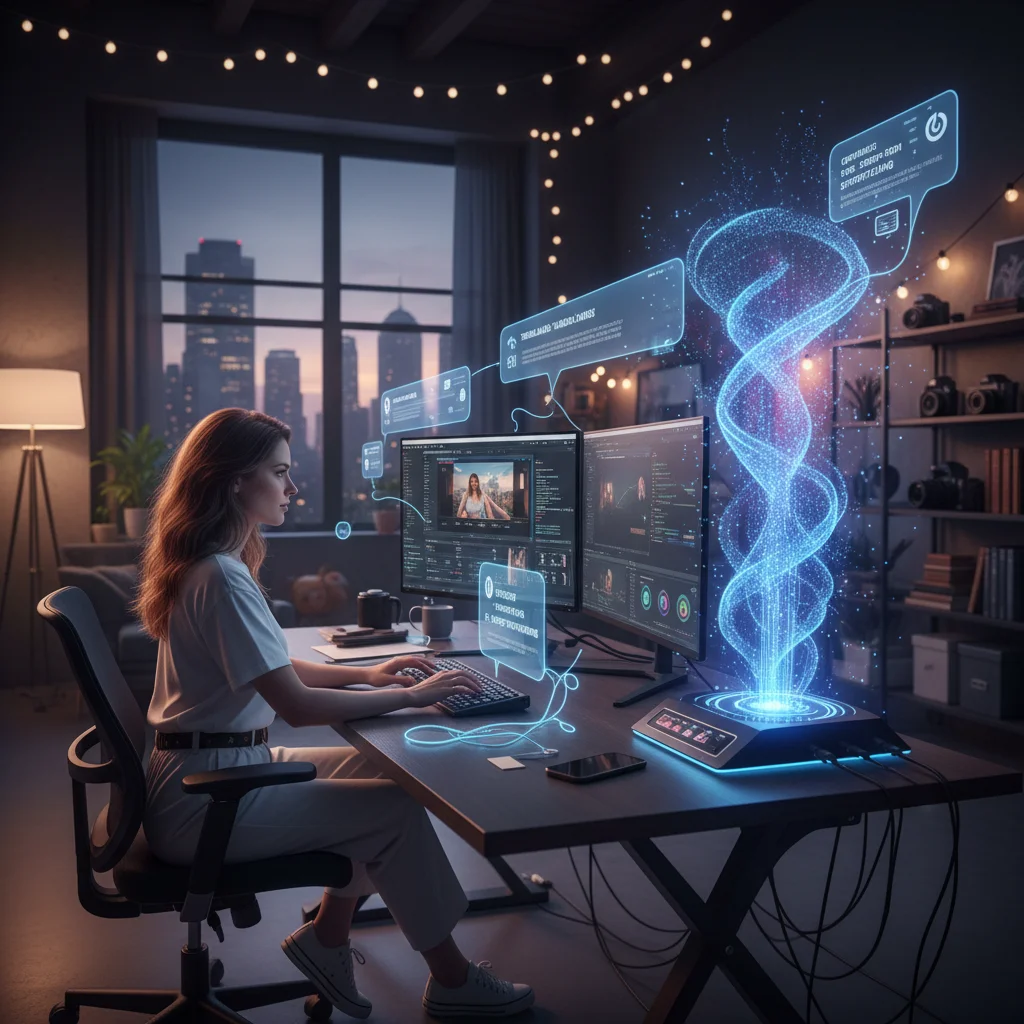
Brands are increasingly seeking genuine, long-term relationships with creators who truly align with their values and products. One-off sponsored posts will diminish in favor of extended ambassadorships where creators become integral to a brand’s narrative. This allows for more authentic storytelling, deeper integration of products into a creator’s lifestyle, and ultimately, more credible endorsements that resonate with their audience. Creators will become trusted voices, not just ad vehicles.
Product Development and Co-Branded Offerings
Creators will move beyond merely promoting products to actively participating in their development. Brands will tap into creators’ unique insights into their audience’s preferences, collaborating on everything from product design and features to marketing campaigns. This could involve a beauty influencer co-creating a new makeup line, a gamer designing a custom peripheral, or a chef developing a signature ingredient with a food brand. These co-branded offerings leverage the creator’s authenticity and the brand’s resources, resulting in highly desirable products.
Performance-Based and Equity-Based Compensation
Traditional flat-fee payments for brand deals will be supplemented, and in some cases replaced, by performance-based compensation models. This could include commission on sales, bonuses for exceeding engagement targets, or even equity stakes in the brand or product they are promoting. This aligns the incentives of both parties, motivating creators to genuinely drive results and fostering a more equitable distribution of success.
Immersive Experiences and Experiential Marketing
Brand-creator partnerships will extend into the realm of immersive experiences. Think of creators hosting brand-sponsored virtual events in the metaverse, leading interactive workshops, or curating real-world pop-up experiences. This moves beyond passive content consumption to active participation, allowing audiences to engage with brands and creators in novel, memorable ways. Experiential marketing, powered by creators, will build deeper brand loyalty and community.
The Broader Cultural Impact of the Creator Economy Trends
These five creator economy trends are not isolated phenomena; they are interwoven threads that collectively weave a new cultural fabric in America and beyond. The shift towards hyper-personalization means that individuals will increasingly expect tailored experiences in all aspects of their lives, from education to entertainment. The integration of AI will redefine productivity and creativity, challenging traditional notions of work and artistic expression. Web3’s decentralization promises to redistribute power and ownership, fostering a more equitable digital landscape where individual contributions are directly valued.
The rise of niche communities points to a fragmentation of mass culture, replaced by a vibrant tapestry of subcultures and specialized interests. This could lead to a more diverse and inclusive media landscape, but also potentially to echo chambers if not managed thoughtfully. Finally, the evolution of brand-creator partnerships signifies a fundamental change in advertising and commerce, where authenticity and collaboration are paramount, and consumers hold more sway through the creators they trust.
Challenges and Opportunities Ahead
While the opportunities presented by these trends are immense, challenges certainly exist. Ensuring fair compensation for creators, mitigating the risks of AI-generated misinformation, navigating the complexities of Web3 adoption, and fostering healthy, inclusive online communities will be critical. Regulatory bodies will grapple with new forms of digital ownership and monetization, and platforms will need to innovate continuously to stay relevant.
For aspiring creators, the landscape of 2026 demands adaptability, a willingness to learn new technologies, and an unwavering commitment to building authentic connections with their audience. For brands, it requires a shift from traditional marketing mindsets to embracing genuine collaboration and understanding the nuanced dynamics of diverse digital communities. For consumers, it offers an unprecedented array of choices, personalized experiences, and opportunities to directly support the creators they admire.
Conclusion: A Creator-Centric Future
The creator economy is not just a passing fad; it is a fundamental restructuring of how value is created, distributed, and consumed in the digital age. By 2026, the five trends outlined – hyper-personalized monetization, pervasive AI integration, Web3 decentralization, the dominance of niche communities, and dynamic brand-creator partnerships – will have profoundly reshaped American culture. They will empower a new generation of entrepreneurs, redefine the relationship between artists and their patrons, and offer consumers more authentic, engaging, and personalized experiences than ever before. Those who understand and adapt to these powerful forces will be best positioned to thrive in the exciting, creator-centric future that awaits us.