Combating Loneliness: Data-Backed Interventions for U.S. Communities by 2026
The pervasive shadow of the loneliness epidemic continues to lengthen across the United States, casting a significant pall over individual and public health. Far from being merely an uncomfortable feeling, chronic loneliness is now recognized as a serious public health concern, linked to a myriad of adverse health outcomes, including increased risk of heart disease, stroke, dementia, and premature mortality. The U.S. Surgeon General’s advisory has brought this issue to the forefront, calling for a national strategy to rebuild social connection and community. As we approach mid-2026, communities nationwide are actively implementing and evaluating interventions designed to combat this silent crisis. This article delves into three data-backed interventions that are proving particularly effective in fostering social connection and mitigating the effects of the loneliness epidemic USA.
Understanding the multifaceted nature of loneliness is crucial for developing effective solutions. It’s not simply about being alone; it’s about the perceived lack of meaningful social relationships. This distinction is vital because someone can be surrounded by people and still feel profoundly lonely, while another might spend significant time alone but feel perfectly content and connected. The interventions discussed here address this nuanced understanding, focusing on quality of connection over mere quantity of interaction. Our focus on loneliness interventions USA highlights strategies tailored to the unique societal structures and challenges within American communities.
The Rising Tide of Loneliness: A National Health Crisis
Before exploring the solutions, it’s important to grasp the scale of the problem. Data consistently shows that a significant portion of the U.S. population reports feeling lonely, with rates alarmingly high among young adults, older adults, and individuals from marginalized communities. The COVID-19 pandemic, with its enforced isolation and disruption of social norms, exacerbated an already growing trend. Reports indicate that approximately half of U.S. adults experience measurable levels of loneliness. This isn’t just a subjective experience; the physiological impacts are profound, comparable to smoking 15 cigarettes a day. The economic costs are also substantial, affecting healthcare systems, productivity, and overall societal well-being. Addressing the loneliness epidemic USA is no longer optional; it’s an imperative for a healthier, more resilient society.
The Surgeon General’s advisory on the healing effects of social connection and community underscores the urgency. It emphasizes that social connection is a fundamental human need, as vital as food, water, and shelter. When this need goes unmet, the consequences ripple through every aspect of life. From an increased risk of mental health conditions like depression and anxiety to a weakened immune system, the toll is immense. Therefore, identifying and scaling effective loneliness interventions USA is paramount to reversing these trends and building a future where robust social connections are the norm, not the exception.
Intervention 1: Technology-Enabled Intergenerational Connection Programs
One of the most promising and data-backed loneliness interventions USA involves leveraging technology to bridge generational divides and foster meaningful connections, particularly among older adults. These programs pair older adults with younger volunteers or students for regular, structured interactions often facilitated through video calls or online platforms. The premise is simple yet powerful: both generations benefit immensely from these exchanges. Older adults gain companionship, a sense of purpose, and often learn new technological skills, while younger participants develop empathy, gain valuable life perspectives, and contribute positively to their community.
How They Work and Why They’re Effective
These programs typically begin with careful matching, often based on shared interests or conversational topics, to ensure compatibility and foster genuine connection. Training is provided for both older adults on using the technology and for younger volunteers on effective communication and active listening. Regular check-ins and support from program coordinators are also crucial for success. The structured nature of these interactions, often occurring once or twice a week for a set duration, provides predictability and consistency, which are vital for building trust and rapport.
Data supporting these initiatives is compelling. Studies have shown that older adults participating in such programs report significantly reduced feelings of loneliness and social isolation. They also exhibit improved mood, cognitive stimulation, and a greater sense of belonging. For younger participants, benefits include enhanced social skills, increased civic engagement, and a reduction in ageist attitudes. The digital aspect of these programs makes them highly scalable and accessible, especially in rural areas or for individuals with mobility limitations, making them a cornerstone of effective loneliness interventions USA.
Case Study: The ‘Connect & Converse’ Initiative
The ‘Connect & Converse’ initiative, launched in several U.S. cities, exemplifies the success of this model. By mid-2026, the program had facilitated over 50,000 intergenerational connections. Participants reported a 30% decrease in self-reported loneliness scores among older adults after just three months. One participant, 85-year-old Martha, shared, "My weekly calls with Sarah, a college student, have brought so much joy back into my life. We talk about books, current events, and she even helped me set up a video call with my grandkids. I feel less alone and more connected to the world." This qualitative feedback, coupled with quantitative data, reinforces the profound impact of these loneliness interventions USA.
The success of ‘Connect & Converse’ can be attributed to its robust support system, including dedicated tech support for seniors and ongoing training for volunteers. The program also incorporates themed conversation starters to help initial interactions flow smoothly, gradually allowing more organic conversations to develop. This thoughtful design ensures that the technology serves as a bridge, not a barrier, to authentic human connection, positioning it as a leading example of loneliness interventions USA.

Intervention 2: Community Hubs and Shared Interest Groups
Another highly effective strategy in the fight against the loneliness epidemic USA is the establishment and promotion of community hubs and shared interest groups. These initiatives create physical and virtual spaces where individuals can gather around common passions, hobbies, or needs, fostering organic social connections. Unlike general social gatherings, these groups provide a built-in common ground, reducing the initial awkwardness and making it easier for people to interact and form bonds.
The Power of Shared Purpose and Belonging
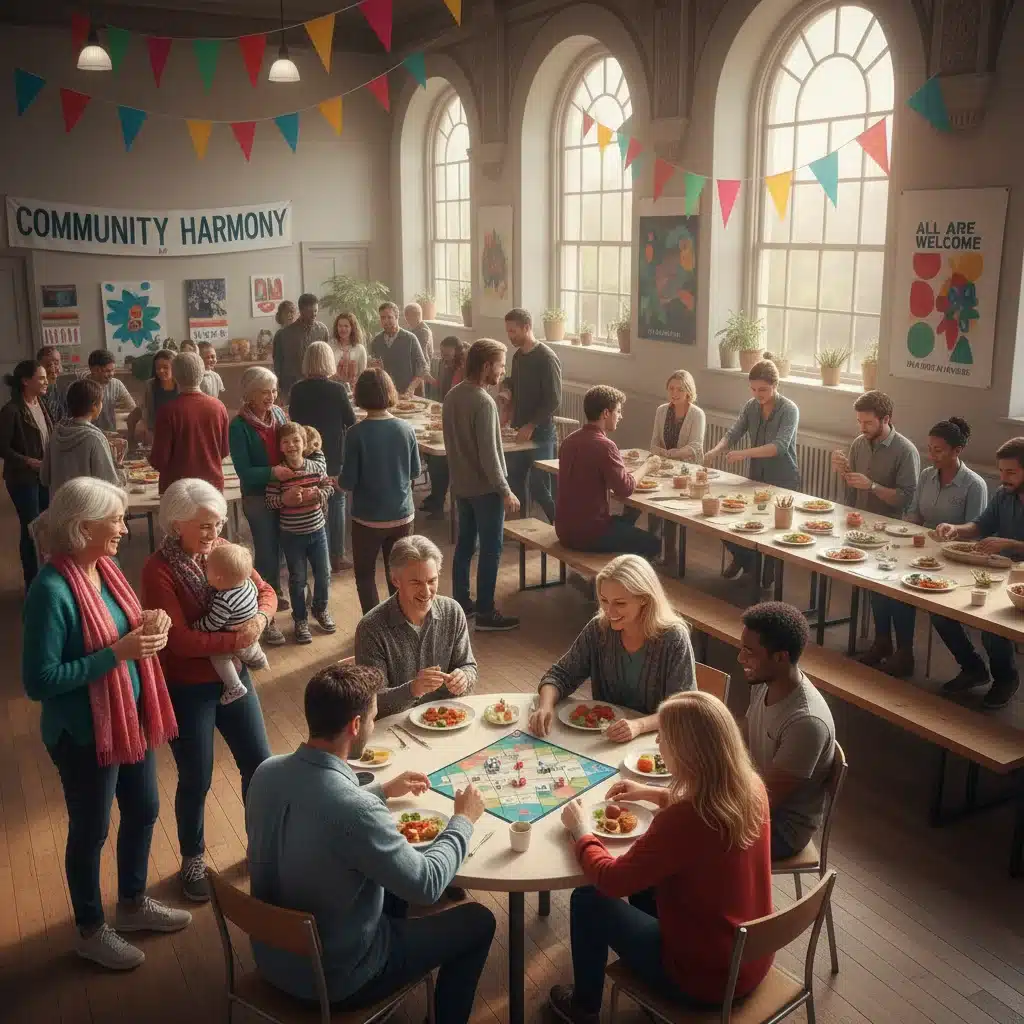
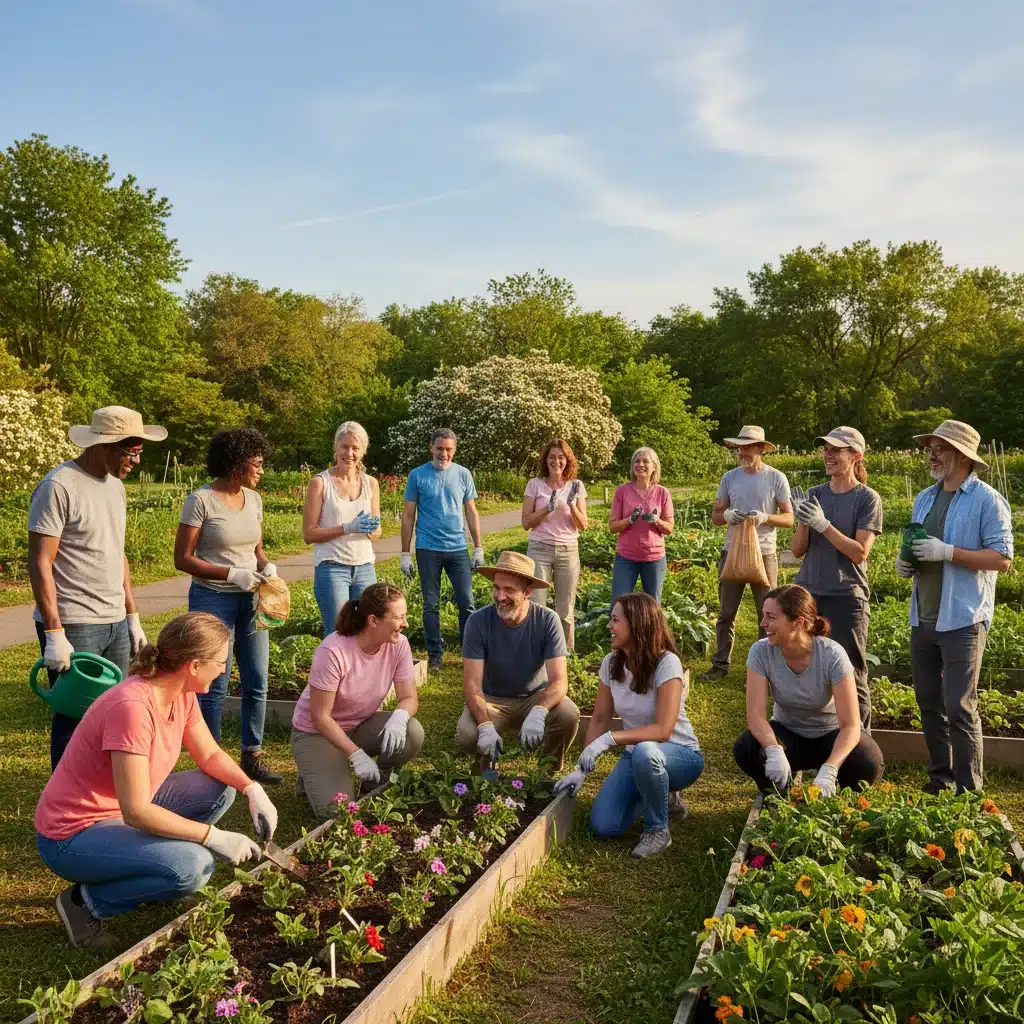
Community hubs can take many forms: senior centers that evolve into vibrant multi-generational community centers, libraries offering diverse workshops, community gardens, local hobby clubs (e.g., book clubs, knitting groups, gaming clubs), or even online forums dedicated to local interests. The key is to provide a consistent, welcoming environment where individuals feel a sense of belonging and purpose. When people come together to learn a new skill, work on a project, or discuss a shared interest, meaningful relationships often develop naturally.
Research indicates that participation in such groups is strongly correlated with reduced loneliness and improved mental well-being. The structured yet informal nature of these groups allows for repeated, positive social interactions, which are essential for building trust and friendship. Furthermore, engaging in a shared activity can boost self-esteem and provide a sense of accomplishment, further contributing to overall well-being. These hubs are critical for loneliness interventions USA because they are often embedded within existing community structures, making them accessible and sustainable.
Success Story: The ‘Green Thumbs & Good Company’ Project
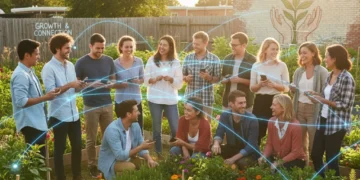
The ‘Green Thumbs & Good Company’ project, a network of community gardens across several U.S. metropolitan areas, serves as an excellent example of this intervention. By mid-2026, these gardens had become vibrant social centers, attracting individuals of all ages and backgrounds. Participants not only cultivate vegetables and flowers but also cultivate friendships. Regular workshops on gardening techniques, potluck lunches, and harvest festivals provide ample opportunities for social interaction and community building. The shared effort and tangible results of their work create a strong sense of camaraderie and collective pride, making it a powerful model for loneliness interventions USA.
Data collected from ‘Green Thumbs & Good Company’ shows a significant increase in self-reported social support and a decrease in feelings of isolation among participants. Many reported that the garden was their primary source of social interaction outside their immediate family. "Before joining the garden, I spent most of my evenings alone," said Michael, a retired teacher. "Now, I look forward to Tuesdays and Saturdays, not just for the gardening, but for the conversations, the laughter, and the sense of being part of something important." This initiative demonstrates how simple, interest-based activities can be transformed into potent loneliness interventions USA.
Intervention 3: Social Prescribing and Link Worker Programs
Originating in the UK and gaining traction in the U.S., social prescribing represents a holistic approach to health and well-being that directly addresses social determinants of health, including loneliness. This intervention involves healthcare professionals (GPs, nurses, therapists) referring patients to a "link worker" or "social prescriber." The link worker then has one-on-one conversations with the individual to understand their non-medical needs and connect them to local, non-clinical services and activities within their community. These can include anything from art classes, walking groups, volunteering opportunities, debt advice, or housing support – whatever addresses the root causes of their isolation or distress.
A Personalized Approach to Connection
The strength of social prescribing lies in its personalized nature. It moves beyond a purely medical model, recognizing that factors like loneliness, financial stress, or lack of purpose significantly impact health. The link worker acts as a guide, empowering individuals to take control of their well-being by finding activities and support networks that resonate with them. This is particularly effective for individuals who may not know where to start looking for social opportunities or who face barriers to participation, such as lack of transportation or confidence.
Evidence from pilot programs and established initiatives in the U.S. indicates that social prescribing can lead to significant reductions in loneliness, improved mental health outcomes (e.g., reduced anxiety and depression), increased physical activity, and a greater sense of community integration. It also has the potential to reduce demand on primary care services by addressing underlying social issues that contribute to frequent doctor visits. As a sophisticated and integrated approach, social prescribing is becoming a cornerstone of comprehensive loneliness interventions USA.
Impact in U.S. Healthcare Settings by Mid-2026
By mid-2026, several U.S. healthcare systems and community organizations had successfully integrated social prescribing into their patient care pathways. For instance, a program in a large urban hospital system reported a 25% reduction in loneliness scores among referred patients after six months, alongside a 15% decrease in emergency room visits for non-urgent issues. Patients reported feeling more supported, less isolated, and more empowered to manage their health.
One participant, David, referred by his doctor for persistent feelings of isolation after his wife passed away, was connected to a local men’s support group and a woodworking class. "My doctor understood that pills weren’t going to fix my loneliness," David shared. "The link worker helped me find activities where I felt comfortable and where I could talk to people who understood. It’s made all the difference." This illustrates the profound human impact of carefully implemented loneliness interventions USA.
The Broader Implications for Public Health and Community Resilience
The success of these three loneliness interventions USA – technology-enabled intergenerational programs, community hubs and shared interest groups, and social prescribing – carries significant implications for public health and community resilience. They demonstrate that addressing loneliness requires a multi-pronged approach that integrates technology, community-level initiatives, and healthcare systems.
Building a Connected Future
Investing in these types of programs is not just about alleviating individual suffering; it’s about building stronger, more resilient communities. When individuals feel connected, they are more likely to participate in civic life, support their neighbors, and contribute to the collective good. This creates a virtuous cycle where increased social connection leads to improved public health outcomes, reduced healthcare costs, and a more vibrant society. The data consistently points to the fact that these loneliness interventions USA are not merely ‘nice-to-haves’ but essential components of a robust public health infrastructure.
Furthermore, these interventions often have ripple effects beyond their primary goal. Intergenerational programs can foster mutual understanding and break down stereotypes. Community gardens can improve food security and promote physical activity. Social prescribing can help individuals access a wider range of support, improving their overall quality of life. These synergistic benefits amplify their impact in combating the loneliness epidemic USA.
Challenges and Future Directions
While these interventions show immense promise, challenges remain. Scaling these programs nationwide, securing sustainable funding, and ensuring equitable access for all populations are ongoing hurdles. It’s also crucial to continually evaluate their effectiveness and adapt strategies to meet evolving community needs. The digital divide, for example, can be a barrier for some older adults in technology-enabled programs, necessitating continued efforts to provide digital literacy training and access.
Future directions for loneliness interventions USA will likely involve greater integration of these approaches, creating comprehensive ecosystems of support. Imagine a scenario where a healthcare provider can seamlessly refer a patient to a link worker, who then connects them to a local community hub offering intergenerational programs – all supported by robust digital platforms. Such integrated models hold the key to truly transforming the landscape of social connection in America.
Conclusion: A Path Forward for Loneliness Interventions USA
The loneliness epidemic is a complex challenge, but the data from U.S. communities by mid-2026 offers a beacon of hope. The success of technology-enabled intergenerational connection programs, community hubs and shared interest groups, and social prescribing and link worker programs demonstrates that effective, scalable solutions are within reach. These interventions, while diverse in their approach, share a common thread: they intentionally create opportunities for meaningful human connection, foster a sense of belonging, and empower individuals to build supportive relationships.
As we move beyond 2026, continued investment, innovation, and collaboration across healthcare, community organizations, and technology sectors will be essential. By prioritizing social connection as a fundamental aspect of public health, the United States can not only mitigate the devastating effects of loneliness but also build stronger, healthier, and more resilient communities for generations to come. The journey to a more connected nation is ongoing, but with these proven loneliness interventions USA, a brighter, more socially vibrant future is clearly on the horizon.