Boosting US Manufacturing: 4 Strategies for 12% Growth by 2026
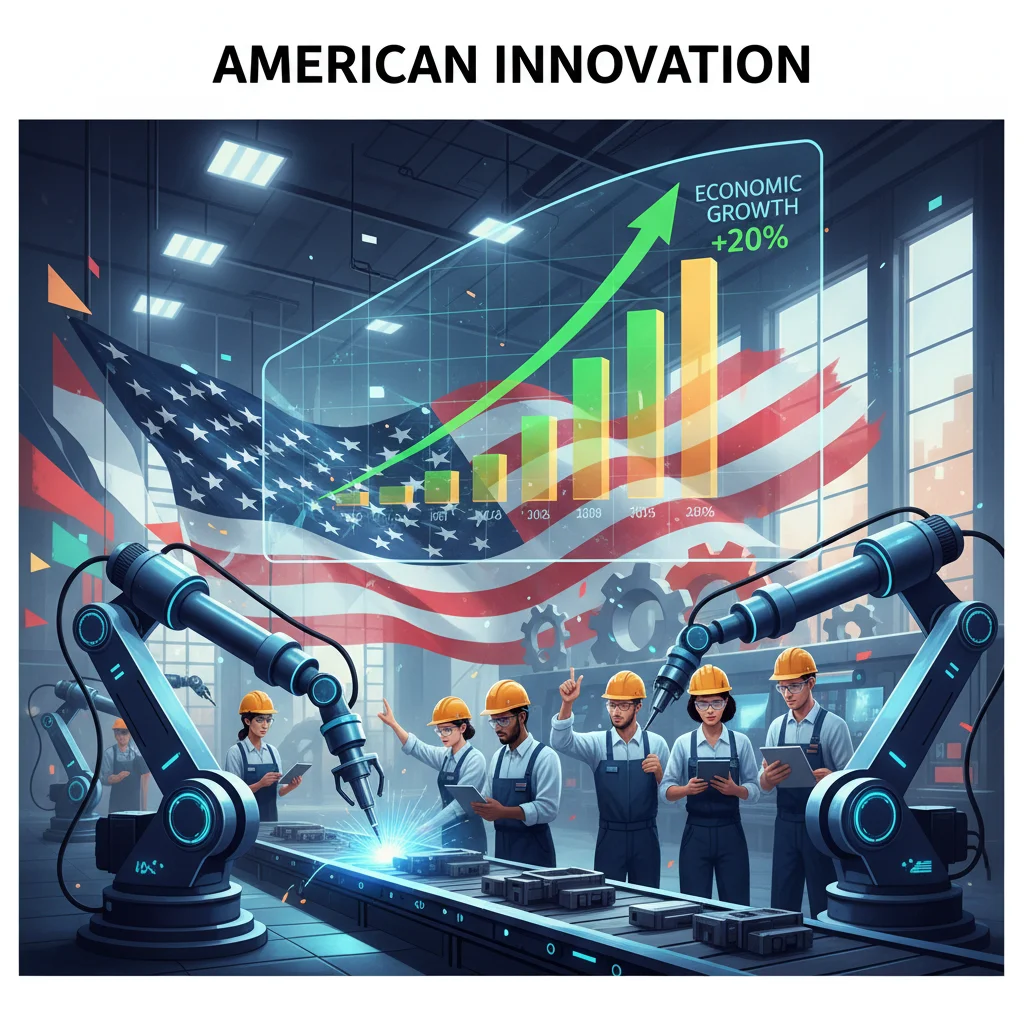
The landscape of global economics is in constant flux, and for the United States, the imperative to bolster domestic manufacturing has never been more critical. Amidst geopolitical shifts, supply chain vulnerabilities exposed by recent global events, and the ever-present drive for technological superiority, a robust and resilient manufacturing sector is not merely an economic advantage but a national security imperative. Our ambitious yet achievable goal: a 12% boost in US manufacturing by 2026. This isn’t just a number; it represents thousands of new jobs, enhanced economic stability, reduced reliance on foreign entities, and a resurgence of American innovation. Achieving this target requires a multi-faceted approach, underpinned by strategic investments, policy reforms, and a collective commitment from both the public and private sectors. This article will delve into four pivotal strategies that can propel US manufacturing growth, offering practical solutions and examining their profound financial impact.
The journey to a 12% increase in domestic production by 2026 is not without its challenges. Decades of offshoring, a shrinking skilled labor pool, and the complexities of global competition have left their mark. However, the current environment also presents unparalleled opportunities. Technological advancements, a renewed focus on national resilience, and a growing understanding of the economic and social benefits of local production are converging to create a fertile ground for manufacturing revitalization. By meticulously implementing the strategies outlined below, the United States can not only meet but potentially exceed this ambitious goal, securing its position as a global manufacturing powerhouse for decades to come.
1. Advanced Automation and Digital Transformation: The Engine of Modern US Manufacturing Growth
To achieve a significant boost in US manufacturing growth, embracing advanced automation and digital transformation is paramount. This isn’t about replacing human workers wholesale but rather augmenting their capabilities, increasing efficiency, reducing costs, and enhancing product quality. The integration of robotics, artificial intelligence (AI), machine learning (ML), and the Internet of Things (IoT) can revolutionize production processes, making US manufacturers more competitive on a global scale. The financial impact of such an overhaul is substantial, paving the way for unprecedented levels of productivity and innovation.
The Power of Robotics and AI in Manufacturing
Robotics has evolved far beyond simple pick-and-place tasks. Modern collaborative robots (cobots) can work alongside humans, performing intricate tasks with precision and speed. AI and ML algorithms can optimize production schedules, predict equipment failures, and even design new products. This leads to reduced downtime, minimized waste, and a significant increase in output. For example, predictive maintenance, powered by AI, can identify potential machine malfunctions before they occur, preventing costly production stoppages. This proactive approach ensures continuous operation and maximizes asset utilization, directly contributing to the 12% US manufacturing growth target.
The financial benefits are clear. A study by the Boston Consulting Group estimated that advanced robotics could boost labor productivity by 10-30% in many industries. This translates to lower per-unit costs, allowing US manufacturers to compete more effectively with lower-wage countries. Furthermore, the precision and consistency offered by automation reduce errors and rework, leading to higher quality products and fewer warranty claims. This improvement in quality can also open new markets and command higher prices, further amplifying revenue streams.
Internet of Things (IoT) and Data-Driven Decision Making
The IoT connects machines, sensors, and systems across the factory floor, generating vast amounts of data. This data, when analyzed with AI and ML, provides invaluable insights into every aspect of the production process. Manufacturers can monitor performance in real-time, identify bottlenecks, and make data-driven decisions to optimize operations. This level of transparency and control was previously unimaginable.
Consider a scenario where IoT sensors track the energy consumption of each machine. AI can then identify inefficient equipment or processes, leading to significant energy savings. Similarly, by analyzing production data, manufacturers can optimize inventory levels, reducing holding costs and preventing stockouts. This lean approach to manufacturing, driven by IoT and data analytics, is crucial for achieving the desired boost in US manufacturing growth. The ability to react quickly to market changes and optimize resource allocation based on real-time data provides a significant competitive edge.
Additive Manufacturing (3D Printing) and Customization
Additive manufacturing, or 3D printing, is another transformative technology that is reshaping the manufacturing landscape. It allows for the creation of complex geometries and customized parts directly from digital designs, reducing material waste and lead times. For industries requiring highly specialized components, such as aerospace and medical devices, 3D printing offers unparalleled flexibility and efficiency.
The financial impact of 3D printing is multifaceted. It enables on-demand production, reducing the need for large inventories. It also facilitates rapid prototyping, significantly shortening product development cycles and bringing innovations to market faster. This agility is a key differentiator for US manufacturers seeking to lead in innovation and capture new market segments. Furthermore, 3D printing can facilitate localized production, reducing transportation costs and strengthening regional supply chains, a crucial element for sustained US manufacturing growth.
To fully leverage these technologies, significant investment in infrastructure, training, and research and development is required. Government incentives, such as tax credits for automation investments and grants for R&D, can accelerate adoption. Private sector collaboration, including partnerships between large corporations and tech startups, can also foster innovation and ensure that the US remains at the forefront of advanced manufacturing.
2. Building Resilient and Localized Supply Chains: Fortifying US Manufacturing Growth
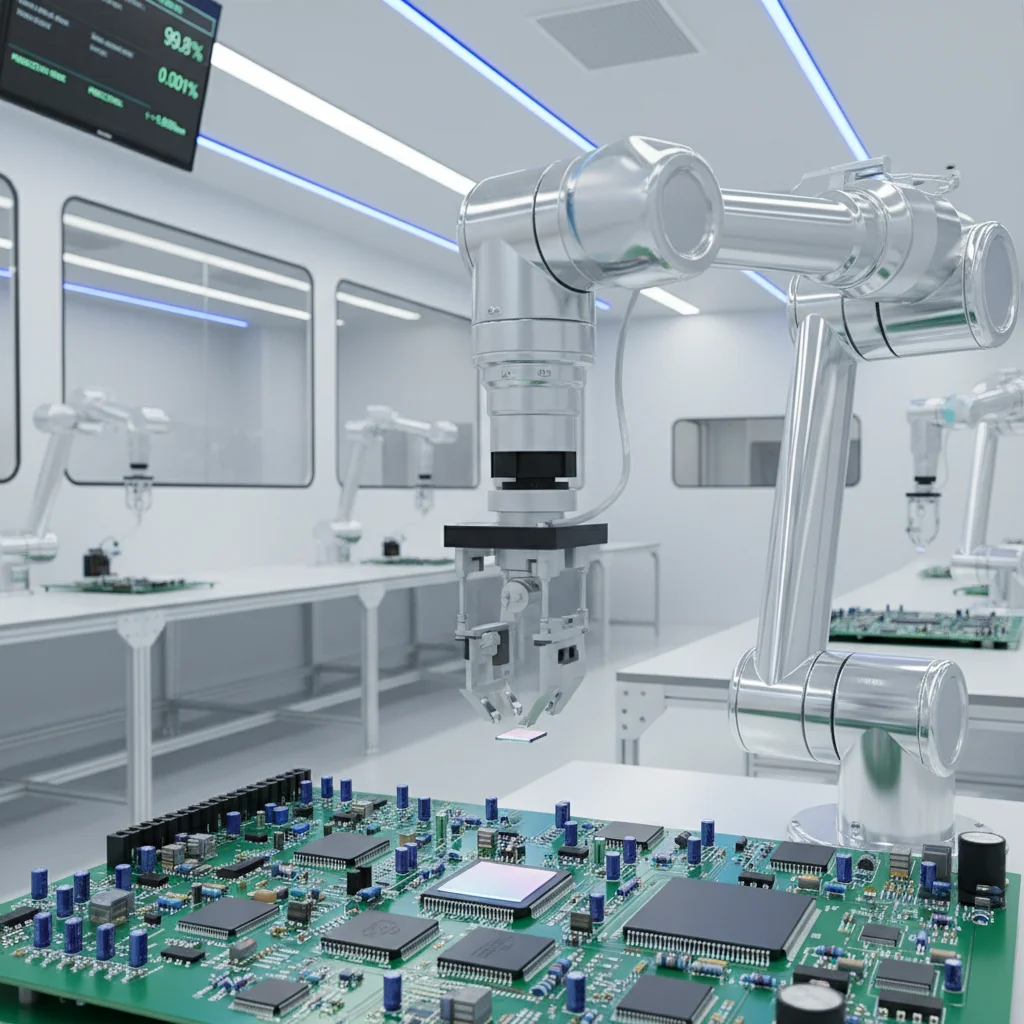
The vulnerabilities of global supply chains were starkly highlighted during the recent pandemic, causing significant disruptions to US manufacturing. A critical strategy for sustained US manufacturing growth is to build more resilient, localized, and diversified supply chains. This involves reducing over-reliance on single sources, particularly those in politically unstable regions, and fostering domestic production of critical components and materials. The financial benefits extend beyond risk mitigation, encompassing faster time-to-market and reduced logistics costs.
Diversification and Redundancy
A resilient supply chain is not built on a single, fragile thread but on a robust network of diverse suppliers. This means identifying alternative sources for critical inputs, both domestically and from geopolitically stable allied nations. Manufacturers should conduct thorough risk assessments of their supply chains, identifying single points of failure and developing contingency plans. This could involve dual-sourcing key components or establishing buffer stocks to absorb unexpected disruptions.
The upfront investment in diversifying suppliers might seem higher, but the long-term financial benefits of avoiding production stoppages and meeting customer demand are immense. A single day of halted production due to supply chain issues can cost millions of dollars, not to mention reputational damage. By investing in redundancy, companies are essentially purchasing insurance against future disruptions, ensuring consistent output and contributing to the overall stability of US manufacturing growth.
Reshoring and Nearshoring Initiatives
Reshoring, the practice of bringing manufacturing back to the United States, and nearshoring, moving it to nearby countries like Mexico or Canada, are crucial components of building localized supply chains. While the initial cost of labor might be higher domestically, factors such as reduced transportation costs, shorter lead times, improved quality control, and intellectual property protection can offset these differences. Furthermore, customer demand for ‘Made in USA’ products is often a strong selling point, allowing for premium pricing.
Government incentives, such as tax breaks for companies that reshore manufacturing operations, can further accelerate this trend. The financial impact of reshoring is not just about the direct savings for individual companies; it creates a ripple effect throughout the economy, generating jobs, stimulating local economies, and strengthening the overall industrial base. This directly supports the 12% US manufacturing growth objective by increasing domestic production capacity.
Strategic Stockpiling of Critical Materials
For certain critical materials, such as rare earth elements or essential pharmaceutical ingredients, strategic stockpiling can provide a vital buffer against supply chain shocks. This requires a collaborative effort between government and industry to identify critical materials, assess domestic production capabilities, and establish secure reserves. While stockpiling incurs storage costs, the cost of not having these materials during a crisis can be catastrophic, impacting national security and economic stability.
The financial benefit here is primarily risk mitigation. Ensuring access to critical inputs prevents production halts and allows US manufacturers to continue operations even when global supplies are disrupted. This stability is attractive to investors and encourages long-term planning, fostering an environment conducive to sustained US manufacturing growth. Furthermore, it reduces the leverage of foreign suppliers, allowing US companies to negotiate more favorable terms.
Building resilient supply chains requires a holistic approach, encompassing risk management, strategic partnerships, and supportive government policies. It’s an investment in the future of US manufacturing, ensuring that the sector can withstand unforeseen challenges and continue its trajectory of growth and innovation.
3. Workforce Development and Skill Enhancement: Powering US Manufacturing Growth
A significant hurdle to achieving the 12% US manufacturing growth target is the persistent skills gap. The modern manufacturing environment demands a highly skilled workforce proficient in advanced technologies like robotics, AI, data analytics, and additive manufacturing. Addressing this gap requires a concerted effort to invest in education, training, and lifelong learning programs. Without a skilled talent pool, even the most advanced factories will struggle to operate efficiently.
Reimagining Vocational and Technical Education
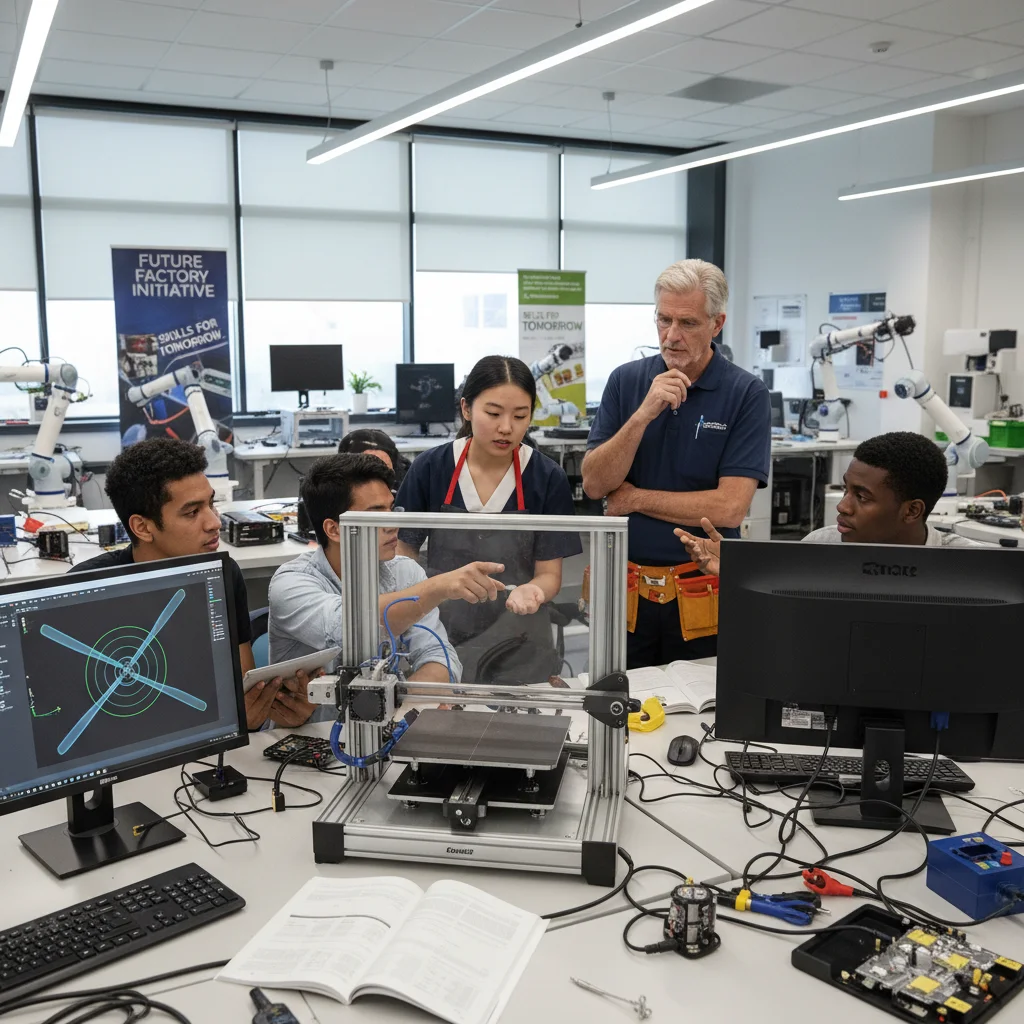
Traditional vocational training programs need to be modernized to align with the demands of Industry 4.0. This means equipping students with hands-on experience using cutting-edge equipment and software. Partnerships between educational institutions and manufacturing companies are crucial to ensure that curricula are relevant and that graduates possess the skills employers need. Apprenticeship programs, which combine classroom instruction with on-the-job training, are particularly effective in developing highly skilled workers.
The financial impact of investing in vocational education is profound. A skilled workforce leads to higher productivity, fewer errors, and greater innovation. Companies that invest in employee training often see a significant return on investment through increased efficiency and reduced turnover. Furthermore, a well-trained workforce is more adaptable to technological changes, ensuring the long-term competitiveness of US manufacturing. This directly supports the growth agenda by providing the human capital necessary for expansion.
Upskilling and Reskilling Existing Workers
It’s not just about training new entrants; existing workers also need opportunities to upskill and reskill to keep pace with technological advancements. Companies should invest in continuous learning programs, offering certifications in new technologies or cross-training employees in different areas of the factory. Government grants and subsidies can help offset the cost of these training initiatives, making them more accessible to small and medium-sized manufacturers (SMMs).
The financial benefits of upskilling are multifold. It improves employee morale and retention, reducing the costs associated with hiring and training new staff. It also enhances productivity and allows companies to adopt new technologies more quickly, maintaining their competitive edge. By investing in their current workforce, manufacturers can unlock latent potential and ensure a smooth transition to more advanced production methods, contributing significantly to US manufacturing growth.
Promoting STEM Education and Manufacturing Careers
To attract the next generation of manufacturing talent, there needs to be a concerted effort to promote STEM (Science, Technology, Engineering, and Mathematics) education from an early age. This includes fostering interest in manufacturing careers by showcasing the exciting and innovative aspects of modern factories, dispelling outdated perceptions of manufacturing as dirty or low-tech. Outreach programs, factory tours, and mentorship initiatives can inspire young people to pursue careers in this vital sector.
The long-term financial impact of a robust STEM pipeline is immense. It ensures a continuous supply of skilled engineers, technicians, and scientists who can drive innovation and maintain the technological leadership of US manufacturing. By investing in human capital, the US can secure its future as a manufacturing powerhouse and consistently meet ambitious growth targets.
4. Strategic Government Incentives and Industrial Policy: Catalyzing US Manufacturing Growth
While private sector innovation is crucial, strategic government incentives and a coherent industrial policy are essential to catalyze and sustain US manufacturing growth. These policies can de-risk investments, create a level playing field, and direct resources towards strategically important sectors. The financial impact of well-designed incentives can be a powerful multiplier, encouraging investment and accelerating the achievement of the 12% growth target.
Targeted Tax Incentives and Subsidies
Government can offer targeted tax credits for investments in advanced manufacturing equipment, research and development (R&D), and workforce training. Accelerated depreciation schedules for capital expenditures can also encourage companies to upgrade their facilities and adopt new technologies. Subsidies for energy-efficient manufacturing processes or for the production of critical goods can further incentivize domestic production.
The financial benefit of these incentives is direct: they reduce the cost of investment for manufacturers, making it more attractive to expand operations or adopt new technologies within the US. This stimulates capital expenditure, creates jobs, and increases productive capacity, all contributing to the desired boost in US manufacturing growth. For example, tax credits for reshoring operations can significantly reduce the financial burden of relocating production, making the economic case for domestic manufacturing more compelling.
‘Buy American’ and Preferential Procurement Policies
Government procurement policies can be a powerful tool to support domestic manufacturers. ‘Buy American’ provisions, which prioritize US-made goods and services in government contracts, create a stable demand base for domestic producers. This not only supports existing manufacturers but also encourages new businesses to establish operations in the US, knowing there’s a guaranteed market for their products.
The financial impact is substantial. Government contracts represent a massive market, and directing this spending towards domestic suppliers injects capital directly into the US economy. It fosters economies of scale, allowing manufacturers to become more efficient and competitive globally. Furthermore, it strengthens the industrial base for national security purposes, ensuring that critical goods can be produced domestically during times of crisis. These policies are a cornerstone for achieving significant US manufacturing growth.
Investment in R&D and Innovation Hubs
Government funding for fundamental research and development, particularly in emerging technologies like quantum computing, biotechnology, and advanced materials, is vital for maintaining US leadership in manufacturing. Establishing and funding regional innovation hubs or manufacturing institutes can foster collaboration between academia, industry, and government, accelerating the commercialization of new technologies.
The financial benefits of R&D investment are long-term and transformative. It leads to the creation of entirely new industries, high-value jobs, and export opportunities. By being at the forefront of innovation, US manufacturers can command premium prices for their products and maintain a competitive edge. This foundational investment in knowledge and technology is indispensable for achieving and sustaining the 12% US manufacturing growth target and securing future economic prosperity.
Streamlining Regulations and Permitting Processes
Burdensome regulations and slow permitting processes can deter manufacturers from investing in the US. Governments at all levels need to work towards streamlining these processes, making it easier and faster for companies to build new facilities, expand existing ones, and bring new products to market. While environmental and safety standards are crucial, efficiency in regulatory compliance is equally important.
The financial impact of regulatory efficiency is often overlooked but significant. It reduces administrative costs for businesses, shortens project timelines, and allows manufacturers to respond more quickly to market demands. This agility is a key competitive advantage and directly contributes to a more dynamic and growth-oriented manufacturing sector.
Conclusion: A New Era for US Manufacturing Growth
Achieving a 12% boost in US manufacturing by 2026 is an ambitious yet entirely attainable goal. It requires a strategic, coordinated effort across multiple fronts, integrating advanced technology, fortifying supply chains, developing a world-class workforce, and implementing supportive industrial policies. Each of the four strategies outlined—Advanced Automation and Digital Transformation, Building Resilient and Localized Supply Chains, Workforce Development and Skill Enhancement, and Strategic Government Incentives and Industrial Policy—plays a critical, interconnected role in this revitalization.
The financial implications of this growth are immense. Beyond the direct increase in GDP, it translates into higher-paying jobs, enhanced national security, greater economic stability, and a renewed sense of confidence in American industrial prowess. It fosters an ecosystem of innovation, attracting further investment and talent, and cementing the United States’ position as a leader in global manufacturing.
The path forward demands decisive action and sustained commitment. Manufacturers must embrace technological change, invest in their people, and actively seek to build more robust domestic capabilities. Government must act as an enabler, providing the necessary incentives, infrastructure, and regulatory environment to support this vital sector. By working together, the public and private sectors can unlock the full potential of US manufacturing, not just hitting but exceeding the 12% growth target and ushering in a new era of prosperity and industrial leadership for the nation.