US Economic Resilience: Why 75% of Small Businesses Are Optimistic for 2026
The American economic landscape is often viewed through the lens of large corporations and national indicators. However, the backbone of the U.S. economy, small businesses, paints a remarkably optimistic picture for the coming years. Recent surveys and analyses reveal that a striking 75% of small business owners in the United States are expressing confidence and a positive outlook for the economy by 2026. This widespread small business optimism is not merely wishful thinking; it’s rooted in a complex interplay of adaptability, strategic innovation, and a resilient entrepreneurial spirit that continues to defy conventional economic anxieties. Understanding the drivers behind this sentiment is crucial for comprehending the future trajectory of the nation’s economic health.
This article delves deep into the factors contributing to this robust small business optimism. We will explore the economic shifts, policy impacts, technological advancements, and internal strategies that are empowering these enterprises to look towards 2026 with such confidence. From navigating inflation and labor shortages to embracing digital transformation and new market opportunities, small businesses are demonstrating an extraordinary capacity for resilience and growth. By examining their perspectives, we gain invaluable insights into the underlying strengths of the U.S. economy and the potential for sustained prosperity in the mid-term future.
The Foundation of Optimism: Understanding the Economic Climate
To appreciate the significance of 75% small business optimism, it’s essential to first contextualize the current economic climate. The past few years have presented unprecedented challenges: a global pandemic, supply chain disruptions, soaring inflation, and a tight labor market. Despite these headwinds, small businesses have shown remarkable agility. Many have not only survived but thrived by adapting their business models, embracing remote work, and diversifying their offerings. This resilience is a key indicator of their future confidence.
One of the primary drivers of this positive outlook is the perceived stabilization and gradual improvement of economic conditions. While inflation remains a concern, there are signs of it moderating, and consumer spending, though fluctuating, remains robust in many sectors. Small business owners, being on the front lines of the economy, are often the first to sense shifts in consumer behavior and market demand. Their collective optimism suggests an anticipation of a more stable and predictable operating environment in the coming years.
Furthermore, government support programs, though often debated, provided a critical lifeline during the most challenging periods. These programs allowed many small businesses to retain employees, cover operational costs, and make necessary adjustments, preventing widespread failures. The experience of navigating and recovering from recent crises has, for many, instilled a greater sense of confidence in their ability to overcome future obstacles. This builds a strong foundation for continued small business optimism.
Key Economic Indicators Fueling Positive Sentiment
- Declining Inflationary Pressures: While still elevated, the rate of inflation has shown signs of cooling, reducing cost pressures on businesses and consumers.
- Steady Consumer Demand: Despite economic uncertainties, consumer spending has largely held up, indicating a resilient domestic market for small businesses.
- Job Growth and Wage Increases: A strong labor market, characterized by consistent job creation and rising wages, translates to increased purchasing power for consumers.
- Access to Capital: While challenges persist, many small businesses report improved access to financing options, crucial for expansion and investment.
- Technological Adoption: Accelerated adoption of digital tools and e-commerce platforms has opened new revenue streams and efficiencies.
These indicators, when viewed collectively, paint a picture of an economy that, while not without its challenges, is trending towards greater stability and opportunity. For small business owners, who often operate with tighter margins and less buffer than their larger counterparts, these positive trends are crucial for fostering a sense of security and encouraging investment in future growth. This is the bedrock of the observed small business optimism.
Adaptability and Innovation: The Small Business Superpower
The ability of small businesses to adapt and innovate is perhaps their greatest asset, and a significant contributor to their forward-looking optimism. Unlike large, bureaucratic organizations, small businesses can pivot quickly, respond to changing market demands, and implement new strategies with greater agility. This inherent flexibility has been put to the test repeatedly in recent years, and time and again, small businesses have demonstrated their capacity to not just survive, but to find new avenues for growth.
Digital transformation, for instance, was accelerated by necessity during the pandemic. Many small businesses that previously relied solely on brick-and-mortar operations quickly established online presences, adopted e-commerce platforms, and leveraged social media for marketing and customer engagement. This digital leap not only helped them weather the storm but also opened up new markets and customer segments that were previously inaccessible. The continued integration of technology is a major factor in their positive outlook for 2026, as it promises increased efficiency, broader reach, and enhanced customer experiences.
Innovation extends beyond technology to business models and service offerings. Small businesses are increasingly focused on niche markets, personalized services, and community engagement, differentiating themselves from larger competitors. They are experimenting with subscription models, local sourcing, and sustainable practices, resonating with a growing segment of consumers who prioritize these values. This strategic focus on unique value propositions empowers them to carve out defensible market positions and fosters significant small business optimism.
Leveraging Technology for Future Growth
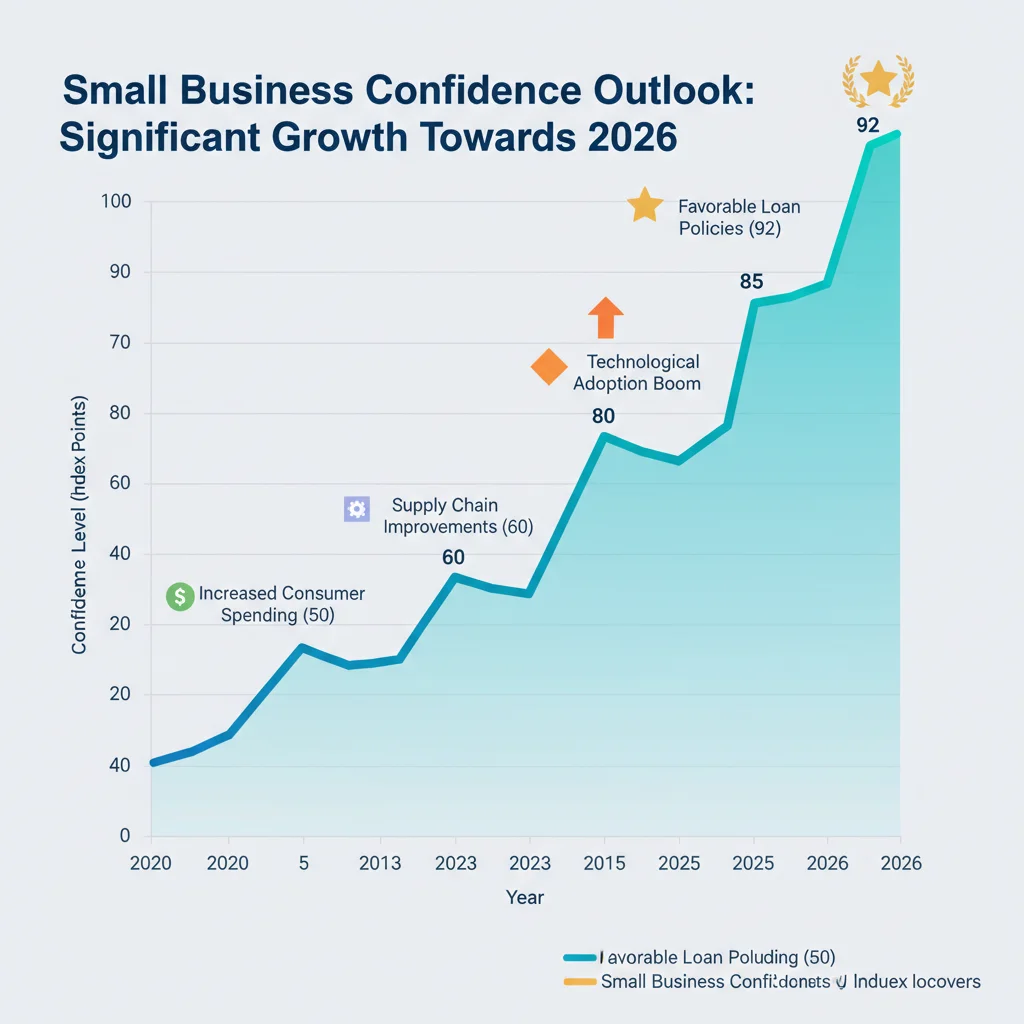
The embrace of technology is not a fleeting trend but a fundamental shift in how small businesses operate and plan for the future. For many, the initial investment in digital tools during the pandemic has begun to yield significant returns, leading to a virtuous cycle of increased efficiency, improved customer satisfaction, and expanded market opportunities. This ongoing technological integration is a cornerstone of small business optimism for 2026.
- E-commerce Expansion: Beyond just having a website, many small businesses are optimizing their online stores, integrating with various payment gateways, and exploring international shipping to tap into global markets.
- Data Analytics: Small businesses are increasingly using simple data analytics tools to understand customer behavior, optimize marketing campaigns, and make informed business decisions. This allows for more targeted strategies and reduced waste.
- Cloud Computing: Migration to cloud-based solutions for accounting, customer relationship management (CRM), and project management has enhanced accessibility, collaboration, and scalability, reducing IT overheads.
- Automation: Automating repetitive tasks, from inventory management to customer service inquiries, frees up valuable time for owners and employees to focus on strategic growth initiatives.
- Cybersecurity Investments: Recognizing the growing threat landscape, proactive investments in cybersecurity are safeguarding sensitive data and building customer trust, crucial for sustained digital operations.
These technological advancements are not just about cost savings; they are about creating more resilient, scalable, and competitive businesses. The ability to reach customers through multiple channels, analyze performance data in real-time, and streamline operations fundamentally changes the growth potential for small enterprises, reinforcing their positive outlook for the coming years.
Policy Landscape and Support Systems
Government policies and the availability of support systems also play a pivotal role in shaping small business optimism. While small businesses often express frustration with bureaucratic hurdles and tax complexities, many acknowledge the positive impact of certain legislative measures and support programs. For instance, discussions around tax reform, simplified regulations, and improved access to federal contracts can significantly influence their long-term planning and investment decisions.
Beyond federal initiatives, state and local governments, as well as non-profit organizations, provide a crucial ecosystem of support. Business development centers, mentorship programs, and local chambers of commerce offer resources ranging from business planning assistance to marketing advice and networking opportunities. These localized support structures are particularly vital for new businesses and those looking to expand, helping them navigate challenges and capitalize on opportunities within their specific regions. The presence and accessibility of these resources contribute significantly to the overall sense of confidence among small business owners.
Furthermore, the ongoing policy debates around workforce development, affordable healthcare, and infrastructure improvements directly impact small businesses. A more skilled workforce, accessible healthcare options for employees, and robust infrastructure (both physical and digital) create a more favorable operating environment. Small business owners are acutely aware of these broader societal factors and their potential to either hinder or accelerate their growth, thus influencing their long-term small business optimism.
The Role of Workforce Development and Talent Acquisition
A persistent challenge for many small businesses has been talent acquisition and retention. The tight labor market of recent years has forced businesses to innovate in how they attract and keep skilled employees. However, there is a growing sense that this challenge is being addressed through various initiatives, contributing to small business optimism for 2026.
- Upskilling and Reskilling Programs: Many small businesses are investing in training programs for their existing staff, enhancing their skills and improving retention. This internal development helps bridge skill gaps.
- Partnerships with Educational Institutions: Collaborations with local colleges, vocational schools, and community organizations are creating pipelines for new talent, tailored to the specific needs of small businesses.
- Flexible Work Arrangements: Offering remote or hybrid work options, as well as flexible schedules, has become a powerful tool for attracting and retaining employees, especially in competitive sectors.
- Competitive Compensation and Benefits: While challenging for smaller entities, many are finding creative ways to offer competitive wages, health benefits, and other perks to stand out in the job market.
- Focus on Company Culture: Cultivating a positive, inclusive, and supportive work environment is proving to be a strong draw for job seekers who prioritize workplace satisfaction.
Addressing the workforce challenge is not just about filling vacancies; it’s about building a sustainable and productive team. The proactive steps taken by small businesses and the broader ecosystem to develop talent are key to their projected growth and underpin much of the prevailing small business optimism.
Challenges and Mitigation Strategies
Despite the prevailing small business optimism, it would be naive to ignore the persistent challenges that small businesses face. Inflation, while moderating, still impacts purchasing power and operational costs. Supply chain vulnerabilities remain a concern, and the geopolitical landscape introduces an element of unpredictability. However, the optimism stems from a belief in their ability to mitigate these risks through strategic planning and proactive measures.
For example, to combat inflationary pressures, many small businesses are exploring diversified sourcing strategies, negotiating better terms with suppliers, and optimizing inventory management to reduce carrying costs. They are also becoming more strategic in their pricing, ensuring that increases are justified by value and communicated effectively to customers, thus avoiding alienating their customer base.
Regarding supply chain issues, businesses are increasingly looking at nearshoring or reshoring options, building relationships with multiple suppliers, and implementing technology to gain greater visibility into their supply chains. This proactive approach to risk management is a testament to their evolving sophistication and contributes significantly to their confidence in navigating future economic shifts. The lessons learned from past disruptions are being actively applied, fostering a stronger sense of control and future readiness.
Building Resilience Through Strategic Planning
The high level of small business optimism is closely tied to their enhanced capacity for strategic planning and foresight. Many businesses have moved beyond simply reacting to circumstances and are now actively building resilience into their core operations. This involves a multi-faceted approach to risk assessment and mitigation.
- Financial Prudence: Maintaining healthy cash reserves, diversifying revenue streams, and carefully managing debt are becoming standard practices to withstand economic shocks.
- Customer Relationship Management: Investing in customer loyalty programs, soliciting feedback, and providing exceptional service helps retain existing customers and attract new ones, even during economic downturns.
- Market Diversification: Expanding into new geographic markets or offering new products/services reduces reliance on a single market segment, spreading risk and opening new growth avenues.
- Employee Empowerment: Cross-training employees, fostering a culture of problem-solving, and involving staff in decision-making processes enhances operational flexibility and responsiveness.
- Scenario Planning: Proactively developing contingency plans for various economic scenarios allows businesses to respond more quickly and effectively to unforeseen events, minimizing disruption.
These strategic approaches are not just about surviving; they are about positioning for growth. By systematically addressing potential vulnerabilities and building robust internal capabilities, small businesses are laying the groundwork for sustained success, which naturally fuels their positive outlook for 2026 and beyond.
Regional Variations and Sector-Specific Insights
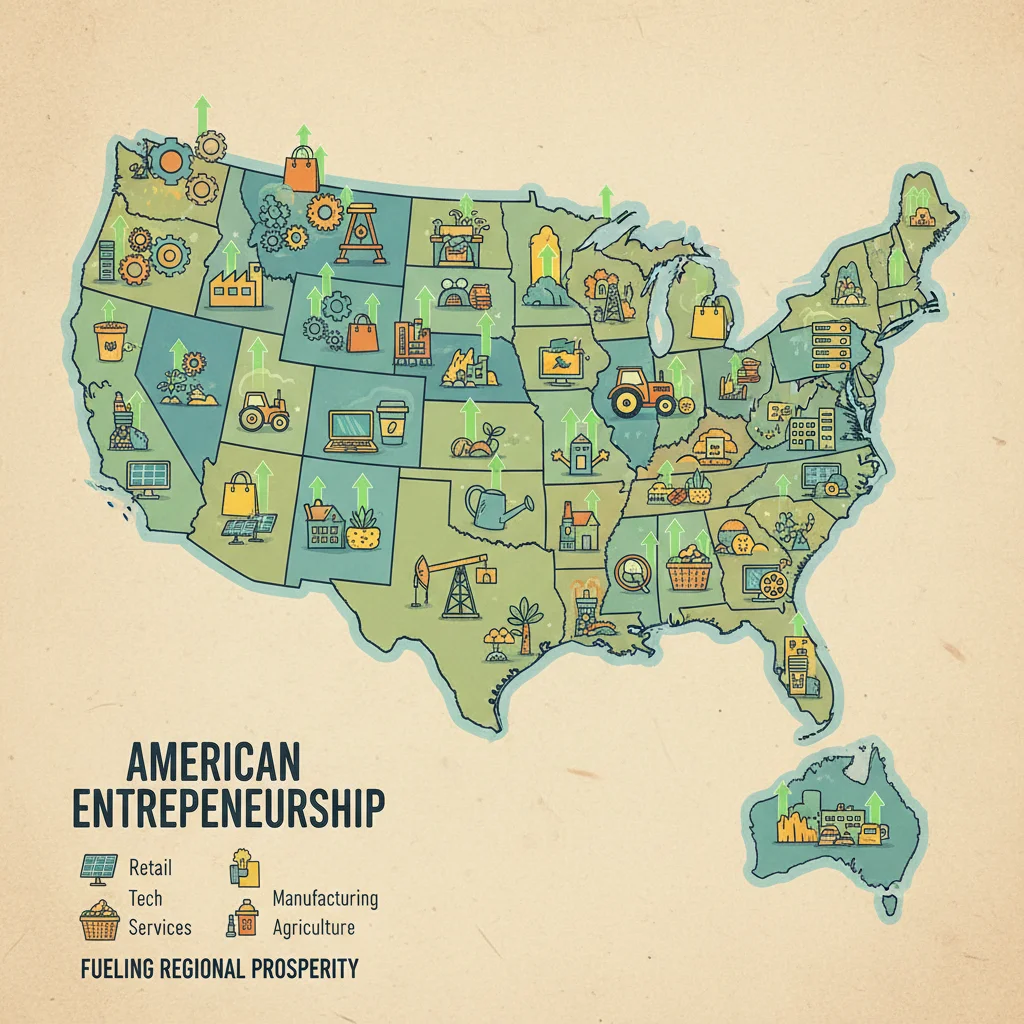
While the overall figure of 75% small business optimism is encouraging, it’s important to acknowledge that this sentiment may vary across different regions of the U.S. and among various industry sectors. Certain regions, perhaps those with booming tech industries or strong tourism sectors, might exhibit even higher levels of optimism, while others still grappling with specific local economic issues might be more cautious. Similarly, sectors like technology and specialized services might show greater confidence due to accelerating demand, whereas traditional retail or manufacturing might face unique challenges.
However, the broad nature of the optimism suggests that the underlying drivers—adaptability, technological adoption, and strategic planning—are pervasive. Even in traditionally slower-growth sectors, small businesses are finding ways to innovate and differentiate themselves. For example, local manufacturers might be investing in automation to improve efficiency and compete more effectively, or small retailers might be leveraging e-commerce and hyper-local marketing to strengthen their customer base.
This regional and sectoral nuance is critical for policymakers and support organizations to tailor their programs effectively. Understanding where optimism is highest and why, as well as identifying areas where it lags, can inform targeted interventions that further bolster the overall economic health of small businesses across the nation. The fact that optimism is so widespread, rather than concentrated in a few areas, underscores the fundamental strength and belief in the future of the American entrepreneurial spirit.
Emerging Sectors and Growth Opportunities
A significant portion of the small business optimism can be attributed to the emergence and rapid growth of new sectors, as well as the transformation of existing ones. Small businesses are often at the forefront of identifying and capitalizing on these evolving opportunities.
- Green Economy: Businesses focused on renewable energy, sustainable products, and eco-friendly services are experiencing growing demand and attracting investment.
- Digital Services: The need for web development, digital marketing, cybersecurity, and IT consulting continues to grow as more businesses move online and rely on technology.
- Health and Wellness: The aging population and increased focus on personal well-being are driving demand for specialized healthcare services, fitness programs, and wellness products.
- Experiential Economy: Consumers are increasingly prioritizing experiences over physical goods, leading to growth in unique travel, entertainment, and personalized service businesses.
- Local and Artisanal Products: A renewed appreciation for handcrafted, locally sourced goods creates opportunities for small-scale producers and specialty retailers.
These emerging trends provide fertile ground for entrepreneurial activity and innovation. Small businesses, with their ability to be nimble and responsive, are uniquely positioned to tap into these markets, contributing significantly to the overall positive sentiment for 2026. Their capacity to identify and exploit these niches ensures continued relevance and growth in a dynamic economy.
The Future Outlook: Sustaining Small Business Optimism
Looking ahead to 2026, the challenge for the U.S. economy and its small businesses will be to sustain this high level of small business optimism. This will require continued adaptability, strategic investment, and a supportive policy environment. Small business owners are not just hoping for a better future; they are actively working to create it through their decisions and investments today.
The lessons learned from recent economic turbulence have instilled a deeper understanding of risk management and the importance of diversification. Many small businesses are now more financially savvy, technologically adept, and strategically focused than ever before. This evolution positions them well to navigate any future uncertainties, turning potential threats into opportunities for innovation and growth.
Furthermore, the spirit of community and collaboration among small business owners remains a powerful force. Networking, sharing best practices, and supporting local economies are integral to their success. This collective strength, combined with individual entrepreneurial drive, forms a formidable engine for economic progress. The 75% optimism figure is not just a statistic; it’s a reflection of this enduring spirit and the proactive steps being taken to secure a prosperous future.
Recommendations for Sustained Growth and Confidence
- Continue Digital Investment: Small businesses should continuously evaluate and adopt new technologies that enhance efficiency, reach, and customer experience.
- Prioritize Workforce Development: Invest in training, competitive compensation, and a positive work culture to attract and retain top talent.
- Embrace Sustainability: Integrate sustainable practices into business models to meet consumer demand and reduce long-term operational costs.
- Foster Community Engagement: Strengthen ties with local communities and other small businesses to build a robust support network and customer base.
- Advocate for Favorable Policies: Small business owners should actively engage with policymakers to ensure that regulations and support programs align with their needs and promote growth.
By focusing on these key areas, small businesses can not only sustain but potentially increase their optimism for the future, contributing significantly to the overall economic health and dynamism of the United States. The journey to 2026 is one of continued evolution and unwavering commitment to growth.
Conclusion
The remarkable finding that 75% of U.S. small businesses are optimistic about the economy by 2026 serves as a powerful testament to their inherent resilience, innovative spirit, and strategic foresight. This widespread small business optimism is not a fleeting sentiment but is grounded in tangible factors: a stabilizing economic environment, accelerated technological adoption, proactive risk mitigation strategies, and a robust support ecosystem. Small businesses have proven their capacity to adapt to unprecedented challenges, turning crises into catalysts for transformation and growth.
As we move towards the mid-point of the decade, these enterprises will continue to be the driving force behind job creation, local economic development, and innovation across various sectors. Their confidence signals a strong belief in their own capabilities and in the broader opportunities within the American market. For policymakers, investors, and consumers alike, this high level of small business optimism is a crucial indicator of a dynamic and hopeful economic future. Supporting and nurturing this vital segment of the economy will be paramount to realizing the full potential of the U.S. economy in 2026 and beyond.