The Art of Storytelling: How 90% of American Media Consumption is Evolving by 2026
The Art of Storytelling: How 90% of American Media Consumption is Evolving by 2026
The landscape of American media consumption is undergoing a seismic shift, a profound transformation that promises to redefine how we engage with information, entertainment, and connection. By 2026, an astounding 90% of this consumption is projected to have evolved, moving beyond the traditional paradigms that have long governed our daily routines. This isn’t merely an incremental change; it’s a revolutionary reordering of priorities, platforms, and expectations. Understanding this dramatic evolution in media consumption evolution is crucial for content creators, marketers, businesses, and indeed, every individual navigating the increasingly complex digital world.
For decades, our media habits were largely dictated by broadcast schedules, print deadlines, and the limited choices available through cable subscriptions. The power resided with a few gatekeepers who controlled the flow of information and entertainment. Today, that power has dramatically decentralized, putting consumers firmly in the driver’s seat. This comprehensive article delves deep into the forces driving this unprecedented shift, offering insider knowledge and a robust analysis of the trends shaping the future of media in America.
We’ll explore the technological innovations that serve as catalysts, the changing consumer behaviors that fuel demand for new forms of content, and the strategic adaptations being made by media organizations to stay relevant. From the dominance of streaming to the rise of interactive experiences, from the personalized algorithms to the burgeoning creator economy, the story of media consumption evolution is one of constant innovation and relentless adaptation.
The Unstoppable Rise of On-Demand Content and Streaming Dominance
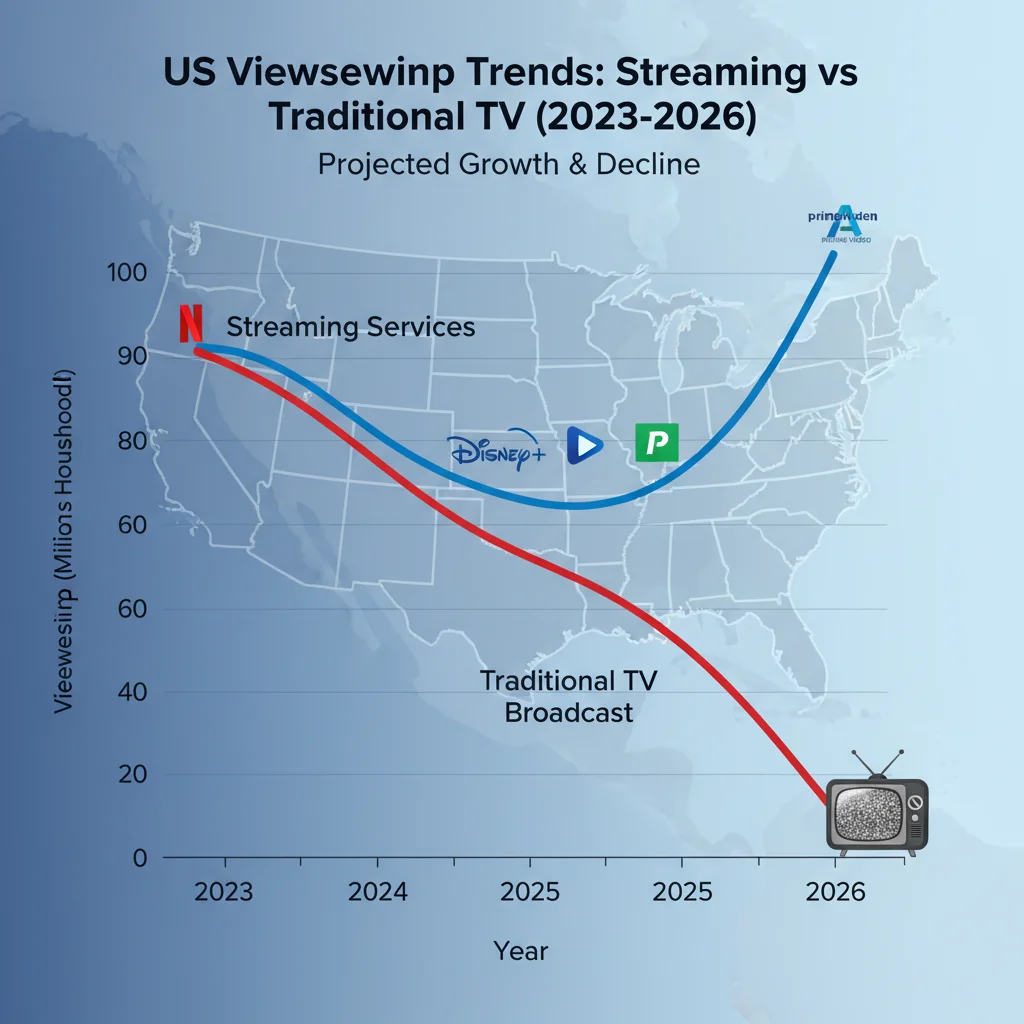
Perhaps the most significant driver of this media consumption evolution is the relentless rise of on-demand content, spearheaded by streaming services. The days of appointment viewing are rapidly fading into memory for a vast majority of Americans. Netflix, Hulu, Disney+, Max, Amazon Prime Video, and a myriad of niche platforms have not only offered an unparalleled selection of content but have also fundamentally altered consumer expectations. We now demand what we want, when we want it, on the device of our choosing.
This shift has profound implications. Traditional television viewership continues its steady decline, particularly among younger demographics. Linear TV, once the bedrock of American entertainment, is being relegated to live events like sports and breaking news, and even those categories are increasingly migrating to streaming platforms. The convenience, personalization, and vast libraries offered by streaming services are simply too compelling to resist.
By 2026, it’s projected that a significant portion of American households will have either cut the cord entirely or will rely primarily on streaming for their entertainment needs. This isn’t just about movies and TV shows; it extends to music, podcasts, audiobooks, and even news. The concept of a ‘schedule’ is becoming an anachronism in the world of media, replaced by ‘libraries’ and ‘playlists.’ This fundamental change in content delivery is at the heart of the media consumption evolution.
Personalization and Algorithmic Curation: The New Gatekeepers
Beyond simply offering choice, streaming platforms excel at personalization. Algorithms, increasingly sophisticated and data-driven, analyze our viewing habits, preferences, and even our emotional responses to content to recommend what we might like next. This algorithmic curation has become a new form of gatekeeping, albeit one tailored to the individual. While it offers the benefit of discovery and reduces decision fatigue, it also raises questions about echo chambers and the potential for limited exposure to diverse viewpoints.
This personalized experience is a key factor in the stickiness of streaming services and a major contributor to the media consumption evolution. Consumers are no longer passively receiving content; they are actively shaping their media diet, with algorithms acting as their personal concierges. Understanding how these algorithms work and how to optimize content for them is becoming an essential skill for anyone in the media industry.
The Omnipresence of Social Media and User-Generated Content
Complementing the rise of streaming is the continued, indeed accelerating, dominance of social media and user-generated content (UGC). Platforms like TikTok, Instagram, YouTube, and even newer entrants are not just communication tools; they are primary sources of news, entertainment, and cultural discourse for millions of Americans. The distinction between content creators and consumers has blurred, with everyone having the potential to be both.
Short-form video, in particular, has exploded in popularity, catering to shrinking attention spans and the desire for quick, engaging bursts of content. Influencers and creators, once a niche phenomenon, are now legitimate media entities, commanding massive audiences and shaping trends. Their authenticity and direct connection with their followers often resonate more deeply than traditional advertising or celebrity endorsements.
This shift towards UGC and social media consumption represents a democratic revolution in media. It has lowered the barrier to entry for content creation, allowing diverse voices and perspectives to emerge and find an audience. However, it also presents challenges related to misinformation, content moderation, and the mental health implications of constant digital engagement. The media consumption evolution is deeply intertwined with the growth of these platforms.
The Creator Economy: A New Paradigm for Storytelling
The creator economy is a direct outgrowth of this social media revolution. Millions of individuals are now building careers by producing content – from educational videos and gaming streams to lifestyle vlogs and comedic sketches. This decentralized model of content production is a stark contrast to the hierarchical structure of traditional media companies. It fosters direct relationships between creators and their audiences, often through subscription models, merchandise, and direct patronage.
This burgeoning economy is a significant factor in the 90% media consumption evolution. It emphasizes authenticity, niche interests, and community building, offering alternatives to mainstream narratives. Brands are increasingly recognizing the power of the creator economy, shifting advertising budgets from traditional channels to collaborations with influential creators who can reach highly engaged, targeted audiences.
Interactive Experiences and Immersive Technologies: The Next Frontier
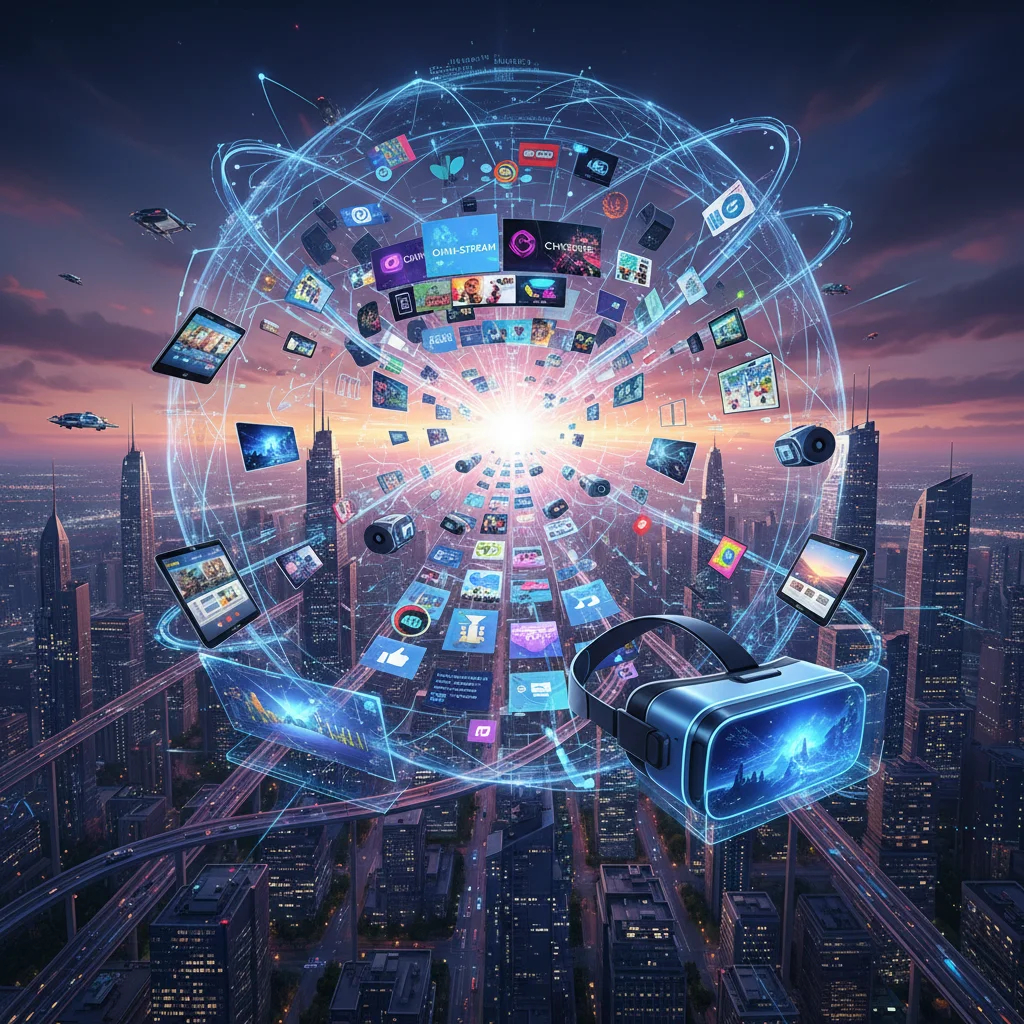
Beyond passive consumption, the future of media is increasingly interactive and immersive. Virtual reality (VR), augmented reality (AR), and mixed reality (MR) are no longer confined to science fiction; they are becoming viable platforms for storytelling, gaming, education, and social interaction. While widespread adoption is still developing, the trajectory towards more immersive experiences is undeniable.
Imagine attending a virtual concert from your living room, exploring a historical site through an AR overlay, or participating in a collaborative storytelling experience within a metaverse environment. These technologies promise to transform how we perceive and interact with digital content, blurring the lines between the real and the virtual. This move towards active participation rather than passive reception is a critical component of the ongoing media consumption evolution.
Gaming as a Media Powerhouse
It’s impossible to discuss interactive media without acknowledging the colossal influence of the gaming industry. Video games have long surpassed Hollywood in terms of revenue and cultural impact. Modern games are not just entertainment; they are complex narratives, social spaces, and platforms for creative expression. Esports attract massive viewership, and in-game events often rival traditional media spectacles.
Platforms like Roblox and Fortnite have evolved into virtual worlds where users can create, socialize, and consume content beyond the core gameplay. These metaverses represent a significant frontier for media consumption evolution, offering persistent, shared digital spaces where new forms of storytelling and interaction are constantly emerging. The convergence of gaming, social media, and traditional entertainment will only accelerate in the coming years.
The Data-Driven Future: Hyper-Targeting and Privacy Concerns
Underpinning much of this media consumption evolution is data. Every click, every view, every interaction generates valuable data that informs content creation, advertising strategies, and platform development. This data allows for hyper-targeting of audiences, ensuring that content and advertisements are highly relevant to individual users. For businesses, this means more efficient marketing and a deeper understanding of consumer preferences.
However, the proliferation of data also raises significant privacy concerns. Consumers are increasingly aware of how their data is collected and used, leading to demands for greater transparency and control. Regulators worldwide are responding with new legislation, but the balance between personalized experiences and individual privacy remains a complex challenge. Navigating this ethical tightrope will be crucial for the sustainable growth of the evolving media landscape.
The Role of AI in Content Creation and Distribution
Artificial intelligence (AI) is rapidly becoming an indispensable tool in the media ecosystem. From generating personalized news summaries and crafting compelling ad copy to assisting with video editing and even creating entire virtual characters, AI is transforming both the creation and distribution of content. AI-powered recommendation engines drive much of the personalization we experience, and AI is increasingly used to optimize content for various platforms and devices.
While AI offers immense potential for efficiency and innovation, it also brings forth new challenges, including concerns about job displacement, the authenticity of AI-generated content, and the ethical implications of autonomous decision-making in media. As the media consumption evolution continues, AI’s role will only grow more central and complex.
Navigating the Fragmented Attention Economy
In this rapidly evolving media landscape, the most valuable commodity is attention. With an overwhelming abundance of content available across countless platforms, capturing and retaining audience attention has become the ultimate challenge. Consumers are constantly bombarded with choices, and their attention is highly fragmented. This has led to a fierce competition among content creators and platforms, often resulting in innovative, yet sometimes overwhelming, approaches to engagement.
The concept of a ‘second screen’ experience, where individuals engage with a smartphone or tablet while watching television, is now commonplace. Multitasking is the norm, and content needs to be compelling enough to cut through the noise. This fragmentation of attention is a defining characteristic of the 90% media consumption evolution. Success in this environment requires not just great content, but also strategic distribution, community building, and a deep understanding of audience behavior.
The Rise of Niche Communities and Hyper-Targeted Content
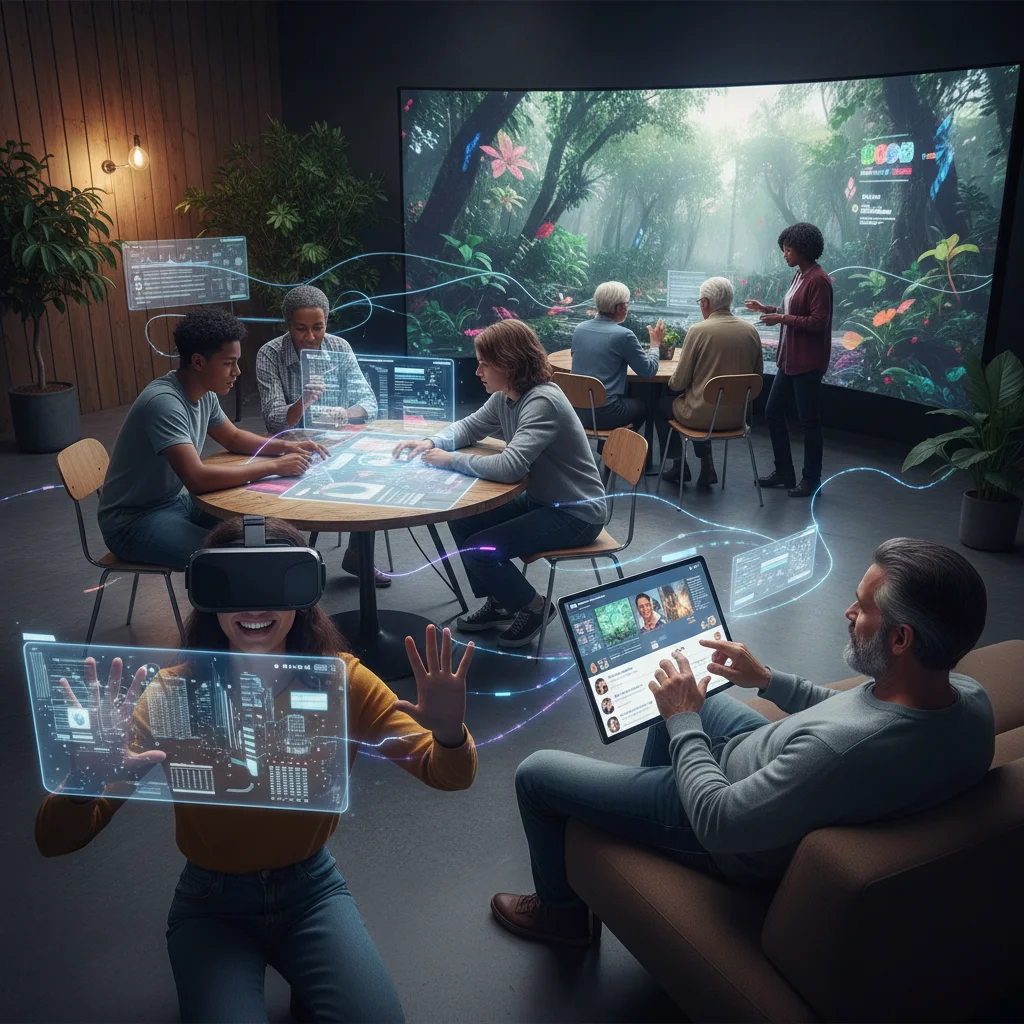
One response to the fragmented attention economy is the proliferation of niche communities. Instead of trying to appeal to a broad, undifferentiated audience, many content creators and platforms are focusing on highly specific interests. Whether it’s a podcast dedicated to obscure historical facts, a YouTube channel reviewing niche tech gadgets, or a gaming community centered around a particular indie title, these hyper-targeted offerings foster deep engagement and loyalty among their audiences.
This trend is a natural outcome of the media consumption evolution, as digital platforms allow for the efficient aggregation of like-minded individuals, regardless of geographic location. For advertisers, these niche communities offer unparalleled opportunities for precise targeting, ensuring that their messages reach the most receptive audiences.
The Future of Storytelling: Adaptability is Key
As 90% of American media consumption evolution by 2026, the art of storytelling itself must adapt. Linear narratives, while still powerful, are being augmented by interactive, experiential, and multi-platform approaches. Content creators need to think beyond a single medium and consider how a story can unfold across different platforms – a short-form video on TikTok, an immersive VR experience, an interactive website, and a traditional long-form documentary.
The emphasis is shifting from simply telling a story to creating an experience. Audiences want to be part of the narrative, to influence its direction, and to connect with characters and themes on a deeper, more personal level. This demands a new toolkit for storytellers, incorporating elements of game design, community management, and data analytics alongside traditional narrative techniques.
Monetization Models: Beyond Advertising
The media consumption evolution also necessitates a re-evaluation of monetization models. While advertising remains a significant revenue stream, its effectiveness is being challenged by ad blockers, privacy concerns, and the fragmented attention economy. Subscription models, direct patronage (e.g., Patreon), merchandise sales, and even in-app purchases are becoming increasingly vital for content creators and media organizations.
The future will likely see a hybrid approach, where diverse revenue streams converge to support content creation. This diversification provides greater stability for creators and offers consumers more flexibility in how they choose to support the content they value. Understanding these evolving monetization strategies is crucial for anyone looking to thrive in the new media landscape.
Conclusion: A Dynamic and Ever-Changing Media Landscape
The projection that 90% of American media consumption evolution by 2026 is not an exaggeration; it’s a reflection of the profound, irreversible changes already underway. From the dominance of on-demand streaming and the explosion of user-generated content to the promise of interactive and immersive technologies, the way Americans consume media is being fundamentally reshaped.
This transformation presents both immense opportunities and significant challenges. For content creators, it’s a chance to reach global audiences, experiment with new forms of storytelling, and build direct relationships with their communities. For businesses, it’s an opportunity to engage with consumers in more personalized and effective ways. However, it also demands constant adaptation, a willingness to embrace new technologies, and a deep understanding of evolving consumer behaviors.
The art of storytelling remains at the core, but the canvas, the tools, and the audience’s engagement have all been dramatically reimagined. Those who understand and adapt to this media consumption evolution will be the ones who define the next chapter of American media.
The journey towards 2026 will be marked by continuous innovation, creative disruption, and an ongoing dialogue between technology and human connection. The future of media is not a fixed destination but a dynamic, ever-changing process, and we are all active participants in its unfolding story.