The Future of American Work-Life Balance: 4 Cultural Shifts Impacting Employee Expectations in 2026
The Future of American Work-Life Balance: 4 Cultural Shifts Impacting Employee Expectations in 2026
The landscape of work in America is in constant flux, but the pace of change has accelerated dramatically in recent years. As we look towards 2026, it’s clear that the traditional notions of work-life balance are being fundamentally reshaped by powerful cultural shifts. These aren’t just minor adjustments; they represent a seismic shift in employee expectations and, consequently, in what it means for businesses to be successful and sustainable. Understanding these shifts is not merely an academic exercise; it’s a strategic imperative for any organization aiming to attract, retain, and empower a high-performing workforce.
The COVID-19 pandemic acted as a catalyst, forcing a global experiment in remote work and challenging long-held assumptions about productivity, presence, and personal well-being. However, the trends we are witnessing extend far beyond the immediate aftermath of the pandemic. They are rooted in deeper societal changes, technological advancements, and a generational re-evaluation of priorities. The equilibrium between professional obligations and personal aspirations is being recalibrated, and businesses that fail to adapt risk being left behind in the race for talent and innovation.
This comprehensive guide will delve into four critical cultural shifts that are poised to redefine American work-life balance by 2026. We will explore the nuances of each shift, examine its impact on employee expectations, and, most importantly, provide practical, actionable solutions for businesses to navigate this evolving terrain. Our focus is on the future of work-life balance 2026, offering insights and strategies that are both timely and forward-thinking.
Shift 1: The Permanent Embrace of Flexible Work Models
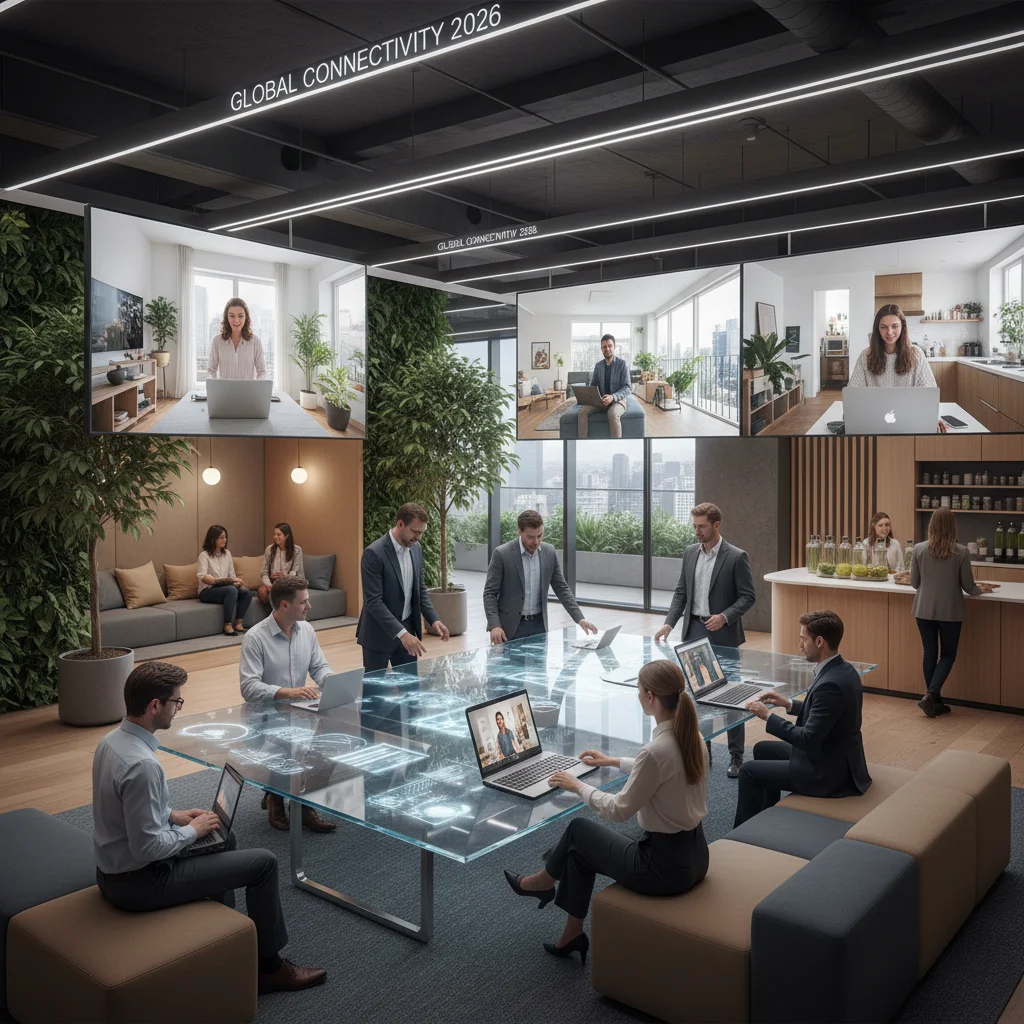
One of the most profound and irreversible shifts impacting work-life balance 2026 is the widespread and permanent embrace of flexible work models. The debate is no longer about if flexibility should exist, but how it should be implemented and optimized. This encompasses a spectrum of arrangements, including fully remote, hybrid (a mix of office and remote), and asynchronous work schedules.
The Evolution of Flexibility: Beyond a Perk to an Expectation
Pre-pandemic, flexible work was often considered a perk, offered by progressive companies to a select few. Today, it’s a fundamental expectation. Employees, having experienced the benefits of reduced commutes, greater autonomy over their schedules, and the ability to integrate personal life more seamlessly with work, are unwilling to revert to rigid 9-to-5, in-office mandates. Research consistently shows that a significant majority of employees prefer a hybrid or fully remote setup, and many would consider leaving their current job if flexibility were revoked.
This shift is driven by several factors:
- Increased Autonomy: Employees value the ability to control where and when they work, leading to a greater sense of ownership and responsibility.
- Improved Work-Life Integration: Flexibility allows individuals to manage personal appointments, family responsibilities, and hobbies without sacrificing career progression.
- Access to a Wider Talent Pool: Companies embracing flexible models are no longer limited by geographical boundaries, opening up opportunities to recruit top talent from anywhere in the world.
- Enhanced Productivity (for many): For many roles, the ability to focus without office distractions, or to work during peak personal productivity hours, can lead to better output.
Practical Solutions for Businesses:
- Develop a Clear Flexible Work Policy: Establish clear guidelines for remote, hybrid, and asynchronous work. This includes expectations around communication, availability, and performance metrics.
- Invest in Technology and Infrastructure: Ensure employees have the necessary tools (reliable internet, collaboration software, ergonomic home office setups) to work effectively from anywhere.
- Prioritize Asynchronous Communication: While real-time collaboration is important, encourage asynchronous communication (e.g., project management tools, shared documents) to reduce meeting fatigue and accommodate different time zones and schedules.
- Focus on Outcomes, Not Hours: Shift management’s focus from tracking hours spent to evaluating tangible results and project completion.
- Cultivate a Culture of Trust and Empowerment: Flexible work thrives in environments where employees are trusted to manage their time and deliver on their responsibilities.
- Regularly Solicit Feedback: Conduct surveys and hold open forums to understand what aspects of flexibility are working and where improvements can be made. The optimal work-life balance 2026 model will be iterative.
Shift 2: The Primacy of Mental Health and Well-being
Another pivotal cultural shift impacting work-life balance 2026 is the elevated importance of mental health and overall well-being. What was once a taboo topic is now openly discussed and recognized as a critical component of employee productivity, engagement, and retention. The pandemic highlighted the fragility of mental health and the significant impact work-related stress can have on individuals.
Beyond EAPs: A Holistic Approach to Well-being
While Employee Assistance Programs (EAPs) have been around for decades, the current shift demands a more holistic, proactive, and integrated approach to well-being. Employees are looking for workplaces that genuinely care about their mental, emotional, and physical health, not just as a reactive measure but as a core part of the company culture. This includes addressing issues like burnout, stress, anxiety, and depression, which can be exacerbated by the blurring lines between work and personal life in flexible arrangements.
Key drivers of this shift include:
- Increased Awareness: Greater societal awareness and reduced stigma around mental health issues.
- Burnout Epidemic: The pressures of modern work, coupled with economic uncertainties, have led to widespread burnout.
- Generational Expectations: Younger generations, in particular, are more vocal about their mental health needs and expect employers to provide support.
- Productivity and Retention Link: Companies recognize that a mentally healthy workforce is a more productive and loyal workforce.
Practical Solutions for Businesses:
- Leadership Buy-in and Modeling: Leaders must champion mental health initiatives and openly discuss their own well-being, setting an example for the organization.
- Comprehensive Well-being Programs: Go beyond EAPs to offer a range of resources, including mental health days, workshops on stress management, mindfulness training, and access to therapy or coaching services.
- Promote Work-Life Boundaries: Actively encourage employees to disconnect after work hours, avoid sending emails late at night, and take their vacation time.
- Train Managers on Mental Health Awareness: Equip managers with the skills to recognize signs of distress in their teams, offer support, and direct employees to appropriate resources.
- Foster a Supportive Culture: Create an environment where employees feel safe to discuss mental health concerns without fear of judgment or reprisal.
- Regularly Assess Workload and Stressors: Implement systems to monitor employee workload and identify potential sources of stress or burnout, proactively addressing them. This proactive approach is essential for achieving a sustainable work-life balance 2026.

Shift 3: The Quest for Purpose and Values Alignment
The third major cultural shift influencing work-life balance 2026 is the growing demand among employees for purpose-driven work and alignment with organizational values. For many, a job is no longer just a means to an end; it’s an integral part of their identity and a platform for contributing to something meaningful. This quest for purpose extends beyond the immediate tasks of the job to the broader impact of the company on society and the environment.
Beyond Paychecks: Finding Meaning in Work
While competitive compensation remains important, it’s increasingly insufficient to attract and retain top talent, especially among younger generations. Employees want to feel that their work matters, that their company stands for something, and that its values resonate with their own. This can manifest in various ways, from a company’s commitment to social responsibility and sustainability to its internal culture of diversity, equity, and inclusion.
Factors driving this shift include:
- Generational Values: Younger generations are often more socially conscious and prioritize ethical considerations in their career choices.
- Post-Pandemic Re-evaluation: Many individuals used the pandemic as an opportunity to reflect on their priorities and seek more fulfilling paths.
- Transparency and Information Access: The digital age makes it easier for employees to research a company’s practices and values, holding them accountable.
- Desire for Impact: People want to feel that their efforts contribute to a greater good, not just corporate profits.
Practical Solutions for Businesses:
- Clearly Articulate Mission and Values: Ensure the company’s mission, vision, and values are well-defined, communicated, and genuinely integrated into daily operations.
- Demonstrate Social and Environmental Responsibility: Implement and publicize initiatives related to sustainability, community involvement, and ethical practices.
- Foster a Culture of DEI (Diversity, Equity, and Inclusion): Create an inclusive environment where all employees feel valued, respected, and have equal opportunities for growth.
- Connect Individual Roles to Greater Purpose: Help employees understand how their specific contributions align with the company’s broader mission and impact.
- Offer Opportunities for Volunteering and Social Impact: Provide avenues for employees to engage in activities that align with their personal values, perhaps through company-sponsored volunteer programs.
- Be Authentic and Transparent: Employees can quickly spot inauthenticity. Ensure that stated values are genuinely reflected in company actions and leadership behavior. This builds trust and reinforces the desired work-life balance 2026 ethos.
Shift 4: The Rise of the Digital Nomad and Location Independence
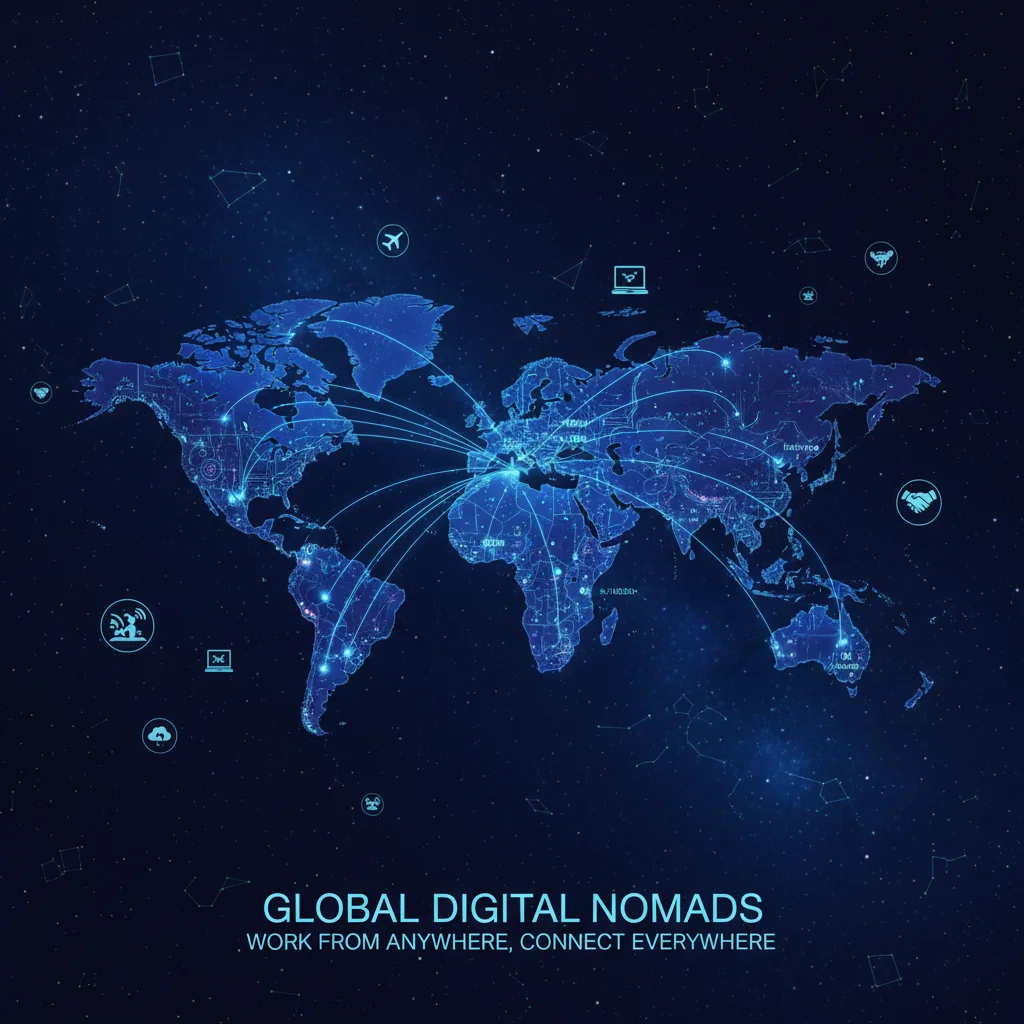
The fourth significant cultural shift impacting work-life balance 2026 is the growing phenomenon of the digital nomad and the broader demand for location independence. While related to flexible work, this shift goes a step further, suggesting that for many roles, the concept of a fixed ‘workplace’ is becoming increasingly obsolete. Employees are not just working from home; they are working from different cities, states, or even countries, embracing a lifestyle that blends travel and career.
Work from Anywhere: A Lifestyle Choice
The digital nomad movement, once a niche concept, has surged in popularity, fueled by technological advancements and the widespread adoption of remote work tools. This shift is particularly attractive to individuals seeking greater freedom, cultural experiences, and the ability to design a life that blends travel and career.
Driving forces behind this trend include:
- Technological Enablement: Cloud computing, high-speed internet, and sophisticated collaboration platforms make remote work seamless.
- Desire for Freedom and Adventure: A growing segment of the workforce prioritizes travel and new experiences.
- Cost of Living Considerations: The ability to live in lower-cost areas while earning a competitive salary from a company based in a high-cost region.
- Work-Life Integration at its Peak: The ultimate expression of blending personal aspirations (travel, exploration) with professional life.
Practical Solutions for Businesses:
- Develop Global Remote Work Policies: Establish clear guidelines for employees working from different locations, including legal, tax, and compliance considerations.
- Invest in Global Communication and Collaboration Tools: Ensure robust platforms that facilitate seamless interaction across time zones and cultures.
- Foster a Global-First Mindset: Design processes and communication strategies that accommodate a distributed team, avoiding reliance on physical presence.
- Address Time Zone Challenges: Implement strategies for asynchronous communication and scheduling team meetings at times that are equitable for all.
- Support Digital Nomad Lifestyles: Consider offering resources or partnerships that help employees navigate the complexities of living and working abroad (e.g., visa assistance, co-working space access).
- Build a Strong Virtual Culture: Invest in virtual team-building activities and regular check-ins to maintain connection and camaraderie among a geographically dispersed workforce. This is crucial for maintaining a cohesive team in the context of work-life balance 2026.
The Interconnectedness of These Shifts for Work-Life Balance 2026
It’s important to recognize that these four cultural shifts are not isolated phenomena; they are deeply interconnected and mutually reinforcing. The demand for flexible work often stems from a desire for better mental health and the ability to pursue personal passions (purpose). The rise of digital nomads is the ultimate expression of location independence, enabling individuals to live a life aligned with their values while maintaining a career. Businesses must view these shifts holistically rather than addressing them in silos.
For example, a company that offers flexible work but fails to address mental health concerns may find its employees are still burned out, despite the added flexibility. Similarly, a company with a strong sense of purpose but rigid in-office requirements may struggle to attract talent that prioritizes location independence. The synergy between these trends defines the new frontier of work-life balance 2026.
Challenges and Opportunities
Navigating these shifts presents both significant challenges and immense opportunities. Challenges include:
- Maintaining Company Culture: How do you foster a strong, cohesive culture with a distributed and flexible workforce?
- Ensuring Equity: How do you ensure fair treatment and opportunities for both in-office and remote employees?
- Data Security and Compliance: Managing data security and adhering to various labor laws across different jurisdictions.
- Preventing Burnout in Flexible Settings: The risk of employees overworking when boundaries are blurred can be higher.
However, the opportunities are even greater:
- Enhanced Talent Acquisition: Access to a global talent pool and increased attractiveness as an employer.
- Improved Employee Retention and Engagement: A contented workforce is a loyal and productive one.
- Increased Innovation: Diverse perspectives from a global team can spark creativity and new ideas.
- Greater Resilience: Businesses with flexible models are better equipped to adapt to unforeseen disruptions.
- Cost Savings: Potential reductions in office space and related overheads.
Crafting a Future-Ready Workplace: Leadership and Cultural Transformation
Successfully adapting to the evolving demands of work-life balance 2026 requires more than just implementing new policies; it necessitates a fundamental cultural transformation led by forward-thinking leadership. Leaders must be willing to challenge long-held assumptions about work, embrace experimentation, and prioritize the human element of their workforce.
Key Leadership Principles for 2026:
- Empathy and Understanding: Leaders must genuinely understand the diverse needs and aspirations of their employees.
- Trust and Empowerment: Shifting from a command-and-control style to one that trusts employees to manage their work and time effectively.
- Continuous Learning and Adaptation: The future of work is dynamic; leaders must be open to learning, iterating, and adapting their strategies based on feedback and evolving trends.
- Communication and Transparency: Open and honest communication about company direction, challenges, and decisions builds trust and alignment.
- Focus on Well-being as a Strategic Asset: Recognizing that employee well-being is not just a HR function but a critical driver of business success.
The role of middle management is particularly crucial here. They are on the front lines, navigating the daily complexities of leading flexible and diverse teams. Investing in training and support for managers to effectively lead in this new environment is paramount. This includes equipping them with skills in remote team management, empathetic leadership, and mental health awareness.
Conclusion: Designing for the Human Experience in Work-Life Balance 2026
The year 2026 will undoubtedly mark a significant milestone in the evolution of American work-life balance. The four cultural shifts – the permanent embrace of flexible work, the primacy of mental health and well-being, the quest for purpose and values alignment, and the rise of the digital nomad and location independence – are not fleeting trends. They represent a fundamental redefinition of the employee-employer relationship and the very nature of work itself.
For businesses, the imperative is clear: adapt or risk obsolescence. Those that proactively address these shifts, viewing them not as challenges but as opportunities to innovate and differentiate, will be the ones that thrive. By designing workplaces that prioritize the human experience – offering genuine flexibility, championing well-being, fostering purpose, and enabling location independence – organizations can build resilient, engaged, and highly productive teams ready for the future.
The future of work-life balance 2026 is not about finding a perfect equilibrium that suits everyone; it’s about creating a framework that empowers individuals to craft a balance that works for them, supported by an organization that understands and values their holistic well-being. This requires a commitment to continuous dialogue, empathetic leadership, and a willingness to evolve. The journey ahead is complex, but the rewards – a thriving workforce and a future-proof business – are immeasurable.