2026 US Housing Market: Key Factors & Price Volatility Insights

Understanding the 2026 US Housing Market: 3 Factors Driving Price Volatility (Insider Knowledge, Recent Updates)
The United States housing market is a dynamic and often unpredictable beast, heavily influenced by a confluence of economic, social, and political forces. As we look ahead to the 2026 US Housing Market, homeowners, prospective buyers, investors, and industry professionals are all trying to decipher the signals that will shape its trajectory. Will prices continue their upward climb, or are we on the cusp of a significant correction? The answer lies in a nuanced understanding of several key factors, each contributing to the market’s inherent volatility. This comprehensive analysis delves deep into the expected landscape, providing insider knowledge and recent updates to help you navigate the complexities of the 2026 US Housing Market.
The Macroeconomic Tapestry: Interest Rates and Inflation’s Grip on the 2026 US Housing Market
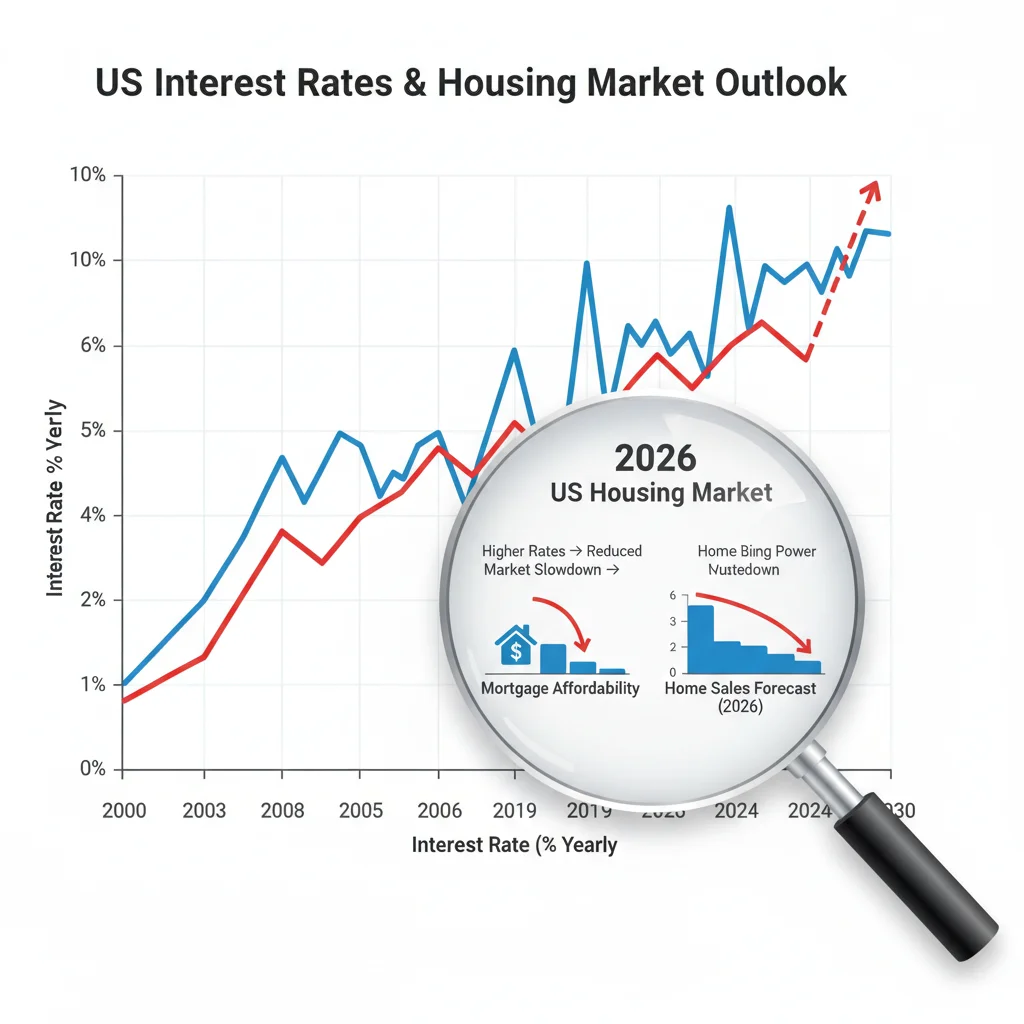
Perhaps no single factor exerts as much influence over the housing market as interest rates. The Federal Reserve’s monetary policy, driven by inflation targets and economic stability goals, directly impacts the cost of borrowing for mortgages. As we approach the 2026 US Housing Market, the prevailing interest rate environment will be a critical determinant of affordability and, consequently, demand.
Historically, lower interest rates have fueled housing booms, making homeownership more accessible and spurring price appreciation. Conversely, rising rates tend to cool the market, as higher monthly mortgage payments price out a segment of potential buyers. The past few years have seen significant fluctuations, and experts anticipate a continued dance between inflation concerns and the Fed’s response. If inflation remains stubbornly high, the Fed may be compelled to keep interest rates elevated or even implement further hikes, which would undoubtedly put downward pressure on housing prices in the 2026 US Housing Market.
However, a more controlled inflationary environment could allow for a stabilization or even a slight easing of rates, providing some relief to buyers. It’s a delicate balancing act, and the global economic climate, geopolitical events, and domestic fiscal policies will all play a role in shaping this crucial variable. Understanding the Fed’s forward guidance and economic projections will be paramount for anyone analyzing the 2026 US Housing Market.
Inflation’s Double-Edged Sword
Inflation doesn’t just influence interest rates; it also impacts the cost of construction materials and labor, directly affecting housing supply and new home prices. When inflation is high, the cost to build new homes escalates, which can translate into higher selling prices. This can exacerbate affordability challenges, especially if wages aren’t keeping pace with rising costs of living. For the 2026 US Housing Market, a sustained period of high inflation could mean a continued squeeze on both the supply and demand sides. Homebuilders might be hesitant to embark on new projects if input costs are unpredictable, further limiting inventory. Conversely, if inflation moderates, it could stabilize construction costs, potentially leading to more new housing starts and a healthier supply picture.
The Supply-Demand Imbalance: A Persistent Challenge for the 2026 US Housing Market
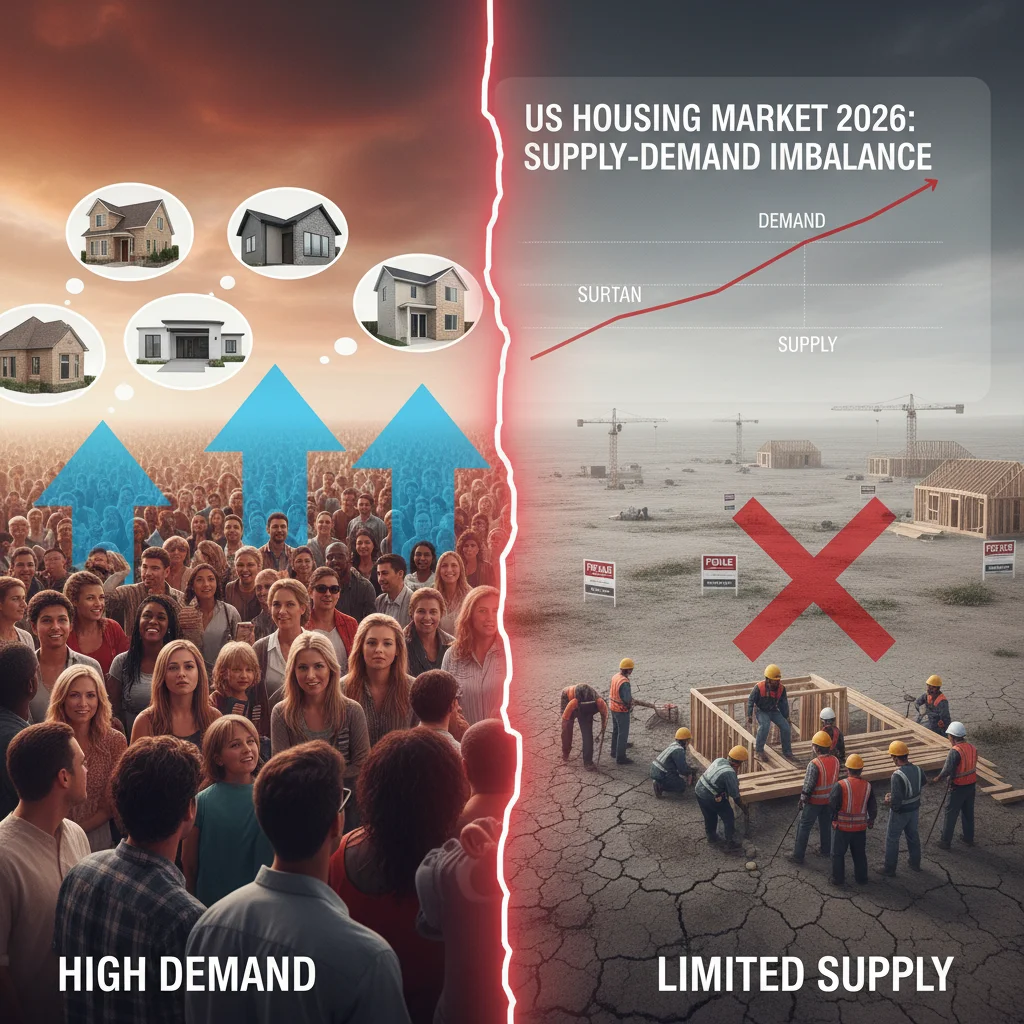
The fundamental economic principle of supply and demand remains a powerful force in the housing market. For years, the United States has grappled with a significant housing supply shortage, a problem that is unlikely to be fully resolved by the 2026 US Housing Market. This deficit is a primary driver of sustained price appreciation and competitive buying environments.
Several factors contribute to this persistent imbalance. Firstly, years of underbuilding following the 2008 financial crisis created a substantial backlog. Builders faced stricter lending standards, labor shortages, and rising material costs, slowing the pace of new construction. Secondly, zoning regulations and land availability in desirable urban and suburban areas often restrict the development of new housing units, particularly affordable options. These regulatory hurdles add time and cost to development, further constraining supply.
Looking ahead to the 2026 US Housing Market, we can expect continued pressure from this supply shortage. While some regions may see increased construction activity, it’s unlikely to be enough to fully meet the accumulated demand. This sustained scarcity means that even with higher interest rates, well-located and well-maintained properties in sought-after areas are likely to retain their value and potentially continue to appreciate, albeit at a slower pace than in recent boom years.
Demographic Shifts and Their Role in Demand
Adding to the demand side of the equation are ongoing demographic shifts. The millennial generation, now in their prime home-buying years, represents a massive cohort entering the market. While some have been priced out, many are still actively seeking homeownership, driven by family formation and a desire for stability. Furthermore, remote work trends, accelerated by recent global events, have allowed many to relocate to more affordable areas, creating demand in previously less-competitive markets. This geographical redistribution of demand adds another layer of complexity to the 2026 US Housing Market.
The aging baby boomer generation also plays a role. While some are downsizing, many are choosing to age in place, further limiting the inventory of existing homes available for sale. This dynamic interaction between younger generations seeking to buy and older generations holding onto their homes creates a bottleneck that will continue to influence the 2026 US Housing Market.
Regional Variations and Economic Resilience: Navigating the Nuances of the 2026 US Housing Market
It’s crucial to remember that the 2026 US Housing Market is not a monolithic entity. What happens in one region may be vastly different from another. Local economic conditions, job growth, population migration patterns, and state-specific regulations all contribute to unique market dynamics. For instance, areas experiencing robust job growth in high-paying sectors, like technology or healthcare, are likely to see sustained demand and potentially more resilient housing prices. Conversely, regions with declining industries or outward migration might experience softer markets or even price corrections.
The resilience of local economies will be a key determinant of housing market performance. Cities and states that have diversified economies, strong infrastructure, and attractive quality of life factors will likely fare better. Furthermore, the availability of affordable housing options, or lack thereof, will continue to shape migration patterns and influence regional price trends in the 2026 US Housing Market. Investors and buyers alike should conduct thorough due diligence on specific local markets, rather than relying solely on national averages.
The Role of Government Policies and Local Regulations
Government policies, both at the federal and local levels, can significantly impact the housing market. Federal initiatives related to affordable housing, mortgage lending standards, and infrastructure spending can all have ripple effects. At the local level, zoning reforms, property tax policies, and building permit processes directly influence the cost and speed of new construction. Cities that implement policies to streamline development and encourage density may see a more balanced supply-demand dynamic, potentially moderating price growth. Conversely, restrictive policies can exacerbate supply shortages and drive up prices. These policy considerations are vital for understanding the localized performance within the broader 2026 US Housing Market.
Emerging Trends and Disruptors in the 2026 US Housing Market
Beyond the primary drivers, several emerging trends and potential disruptors could influence the 2026 US Housing Market. The rise of artificial intelligence (AI) in real estate, for example, could streamline processes from property valuation to transaction management, potentially improving efficiency and reducing costs. However, the full impact of such technological advancements on market dynamics remains to be seen.
Furthermore, climate change and its associated risks are increasingly becoming a factor in real estate decisions. Properties in areas prone to natural disasters may see shifts in insurance costs, property values, and buyer demand. As we move towards 2026, the resilience of communities to climate impacts will become an ever more important consideration for the housing market.
The evolving landscape of remote work will also continue to shape housing patterns. While many companies have called employees back to the office, a significant portion of the workforce still enjoys hybrid or fully remote arrangements. This flexibility allows for greater geographic mobility, potentially sustaining demand in exurban and rural areas that offer more space and affordability. Understanding how these trends mature will be crucial for forecasting the nuanced movements within the 2026 US Housing Market.
Investment Strategies for the Volatile 2026 US Housing Market
For investors, the volatility inherent in the 2026 US Housing Market presents both risks and opportunities. A cautious approach, focusing on long-term growth and strong fundamentals, will be essential. Diversification across different property types and geographical locations can mitigate risks. Furthermore, understanding the nuances of local markets, including job growth, population trends, and rental demand, will be critical for making informed investment decisions. The ability to identify undervalued assets or regions poised for growth will differentiate successful investors.
First-time homebuyers, too, will need a strategic approach. Saving for a substantial down payment, improving credit scores, and exploring various mortgage options will be more important than ever. Flexibility in location and property type may open up more opportunities in a competitive environment. The 2026 US Housing Market will likely reward patience and thorough preparation.
Conclusion: Navigating the Complexities of the 2026 US Housing Market
The 2026 US Housing Market is shaping up to be a period of continued complexity and, in some areas, significant price volatility. The interplay of interest rates, inflation, enduring supply shortages, and evolving demographic trends will dictate its direction. While a broad national collapse appears unlikely given the underlying demand and persistent supply constraints, localized corrections and slower appreciation rates are certainly within the realm of possibility, especially in markets that experienced rapid growth. The key for all participants – buyers, sellers, and investors – will be to remain informed, agile, and strategic. Understanding the macroeconomic forces at play, recognizing the unique characteristics of specific regional markets, and adapting to emerging trends will be essential for successfully navigating the 2026 US Housing Market. By focusing on these critical factors, stakeholders can better anticipate shifts and make more informed decisions in this ever-evolving landscape.